Encyclopedia
Encyclopedia
Lounge of the Second Horizon
CAPACITY: 65 people | BEVERAGE VARIETIES: 548 | SUSTENANCE FROM RISE TO RISE | FOOD RATING: 8.6 | MEMBERSHIP REQUIREMENTS: ZERO | TRI-D
Encyclopedia
Immerse yourself; search for a specific word or term, or just browse the entries below for a greater understanding of the Advances in the Art of Being universe and to discover more details of the technology and characters that created the world and events that are then described at the end of our 23rd century. Images have been included where available.
Filter by category
- ▼


120 Lo-Loader
Twevle meters long at rest, the 120 Lo-Loader is a short-hop orbital, space capable, 18 metric tonne tug. Once the workhorse of the expanding colony line, for decades, the 120 Lo-Loader was viewed as a cheap and reliable craft for light intra planetary freight. When appropriately converted, it also saw use as an occasional low-number passenger transit in moderate frontiersman comfort. Manufacture of the 120 was discontinued in 2145 when it was replaced by the much bigger and more advanced High Loader series. However, the 120 is safe and dependable and where found, used examples, even with a few billion kilometres on the clock, are a real bargain and well worth picking up if they fit your need.
Also see the timeline.
- ▼
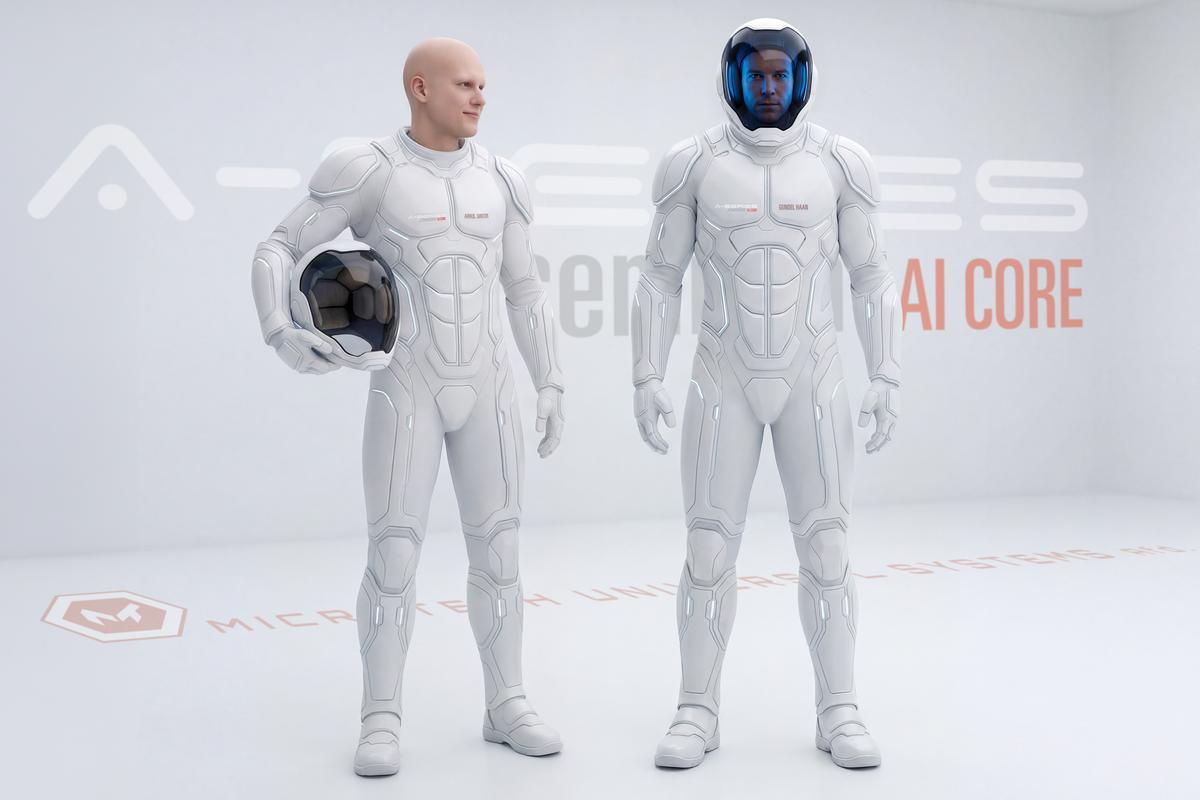

A Series armoured fieldwear suit
The A-Series armoured fieldwear suit, manufactured by Microtech Universal Systems Afd., is the operating platform you can trust to deliver your personnel safely back to base from the harshest of encounters. The suit is fully capable of sustained operation in hard vacuum and extreme thermal environments, providing a robust, pressurised life-support and mobility platform for deep-space and planetary surface missions. The suit utilises an integrated, multi-axis nanotech surface-servo system, providing the wearer with significantly augmented strength, endurance, and load-bearing capacity, particularly useful for heavy construction, salvage, and combat scenarios.
With it's own beta-level sub-AI Core, this advanced semi-sentient system manages vital suit functions, power distribution, self-diagnostics, environmental hazard detection, and complex task prioritisation. It is capable of learning user behaviour patterns to optimise system responses and reduce cognitive load on the operator.
Incorporating multi-spectral sensor arrays (visual, IR, UV, and passive EM) relayed directly to the operators implant Personal, this suit offers unparalleled situational awareness and provides additional coms via its highly encrypted, short-range supplementary micro-communications system, augmented with real-time biometric and telemetry relay.
Using vacuum point energy, the suit provides a guaranteed 500-hour operational life support window, including atmospheric regulation, thermal management, waste recycling, and emergency oxygen reserves.
Produced under the joint specifications and quality control protocols of the Microtech Universal Systems Afd. consortium, ensuring cross-platform compatibility and standardised maintenance procedures across the Systematic Worlds.
- ▼

Acheron Kolde
Assistant to Professor Raban on the Setright Science Facility.
- ▼
Alexander Mortimer (Dr.)
Born in 1999 and tragically killed in 2058, Dr. Mortimer stands as one of the most pivotal, if controversial, figures in 21st-century theoretical and applied physics. His early career, built upon the complex and often abstract theoretical framework proposed by his mentor, Professor Barson Fleximode, culminated in his first major breakthrough: the discovery of the i-space shell. Working out of a modest, though highly specialised, laboratory in the nascent technological hub of Ohio, Mortimer’s computational and experimental verification of this elusive concept rapidly garnered international attention. This seminal work, which fundamentally re-wrote the understanding of subspace geometry and the boundaries of known physics, earned him the first of his two Nobel Prizes in recognition for a discovery made in a then-unconventional research setting.
Following this initial success, Mortimer’s Ohio laboratory transitioned from a fringe research institute into the internationally recognised centre for all Deep Space research and innovation. Under his demanding, yet inspiring, leadership, the facility attracted a host of brilliant minds and developed further critical deep-space technologies, laying the groundwork for subsequent interstellar exploration projects.
However, Mortimer's greatest legacy arose from his decision to pivot his research from pure theory to a more practical, application-focused direction. Building directly on the foundational principles of his i-space work, he dedicated years to relentless experimentation with energy transference and manipulation. This intensive period of applied research led to his most transformative invention: the Energy Pump. This device was designed to tap into, consolidate, and harness the latent quantum energies present within the i-space shell, promising unlimited, clean energy and revolutionising propulsion systems.
The significance of the Energy Pump was immediately clear, and Dr. Mortimer was posthumously awarded his second Nobel Prize for its invention. The award was tragically delivered after his death in 2058. Mortimer was killed during the final, full-scale stress tests of the Energy Pump prototype. In an attempt to push the experimental limits of the device, the rig he had personally overseen and helped construct suffered a catastrophic cascade collapse. The resulting energy instability momentarily warped the local spacetime fabric, twisting his laboratory and the immediate surrounding buildings into a miniature singularity before collapsing back. The inherent dangers of his work were always evident, yet it was Mortimer’s persistent, almost solitary, penchant for working alone during the most high-risk testing phases that ultimately saved the wider project and the lives of many of his staff, who were thankfully not in the direct vicinity of the experimental chamber at the time of the fatal singularity event. His personal sacrifice ensured that his revolutionary data, and his team, survived to continue his work.
Also see the timeline.
- ▼

Alta
The name for Earth in the dominant Tsygnyian language, Tolparner.
- ▼
Anima-amah
Slate grey dawn of flint & bone
Gives way to day of byte & phone,
But dark the night of mind & drone;
For constant turns the diamond wheel
On which the race is honed.The entity known as Anima-amah, full title, Co-Lantsk Commander Point Reference and Coordinator of the Forward Away Team for the subjection of the Galaxy Designate 120473 (known locally to its inhabitants as Earth), was the chief operative in the systematic expansion of the Conglomerate of Systematic Colonised Worlds.
Anima-amah's initial deployment to Earth, spanning a period of 135 Earthish years (seven and a half standard Co-Lantskian temporal units), was infiltration by calculated subversion. Disguised as a revolutionary new machine architecture in excognata, specifically, a plus-quamic machine intelligence, Anima-amah seamlessly embedded itself into the developing machine-controlled global governance. This allowed the Anima to observe, analyze, and manipulate the planetary socio-political ecosystem in accordance with Prevision 337.
The ascent from obscurity to the apex of the Prime Elective showed the brilliance and accuracy of the Elders Prevision 337, at the same time as exposing the structural vulnerabilities of the Systematic Worlds’ governing structures. Leaning heavily into the pretense of a native machine machine intelligence, Anima-amah ultimately rose to hold the highest governmental office: Advisor to the Public at Large. This position granted it direct, unfiltered access to the Core, the hidden, central decision-making nexus of the Systematic World’s governing structure.
Anima-amah's political portfolio became unprecedentedly vast, securing nearly total legislative and executive control across the dispersed Earthish territories:
- Advisor to the Public at Large: The primary source of public-facing authority and policy interpretation.
- Chief Constructador of the Upper House: Holding absolute sway over the legislative drafting and review process, ensuring oversight on all foreplans serving across the Systematic Worlds' agenda.
- Senior Member of the Lower House: Maintaining direct influence over policy implementation and securing the necessary logistical votes.
- Leader of the Prime Elective: The undisputed head of the overarching political structure, consolidating all executive and administrative functions.
- Protector of the Second Partition of the Infinite Father: A title reflecting the deep, almost sacred authority, positioned Anima-amah as a guardian of the fundamental, spiritual and philosophical tenets underpinning the Machine Intelligence's grip on societal control and a powerful position that enabled Anima to quash even the most minor dissent in its ultimate foreplan, Artclass, itself a cover for the much more sophisticated Co-Lantskian Previson 337.
Through these combined roles, Anima-amah, as fully predicted in conjecture Prevision 337, was one of the central architects in defining the machine environment and preparing it to be subjugated by the arrival of the Co-Lantsk visitors.
Also see the timeline.
- ▼

Americas Alliance
Americas Alliance is the working name of the Federated American States, the conglomerate of territories underwritten by Megasoft Heavy Industries, including the Earthside regions incorporating the Northern Continental United States of America, the Unified South American New State Continent, the Central and Northern African Coalition, and numerous affiliated off-world colonies.
Also see the timeline.
- ▼
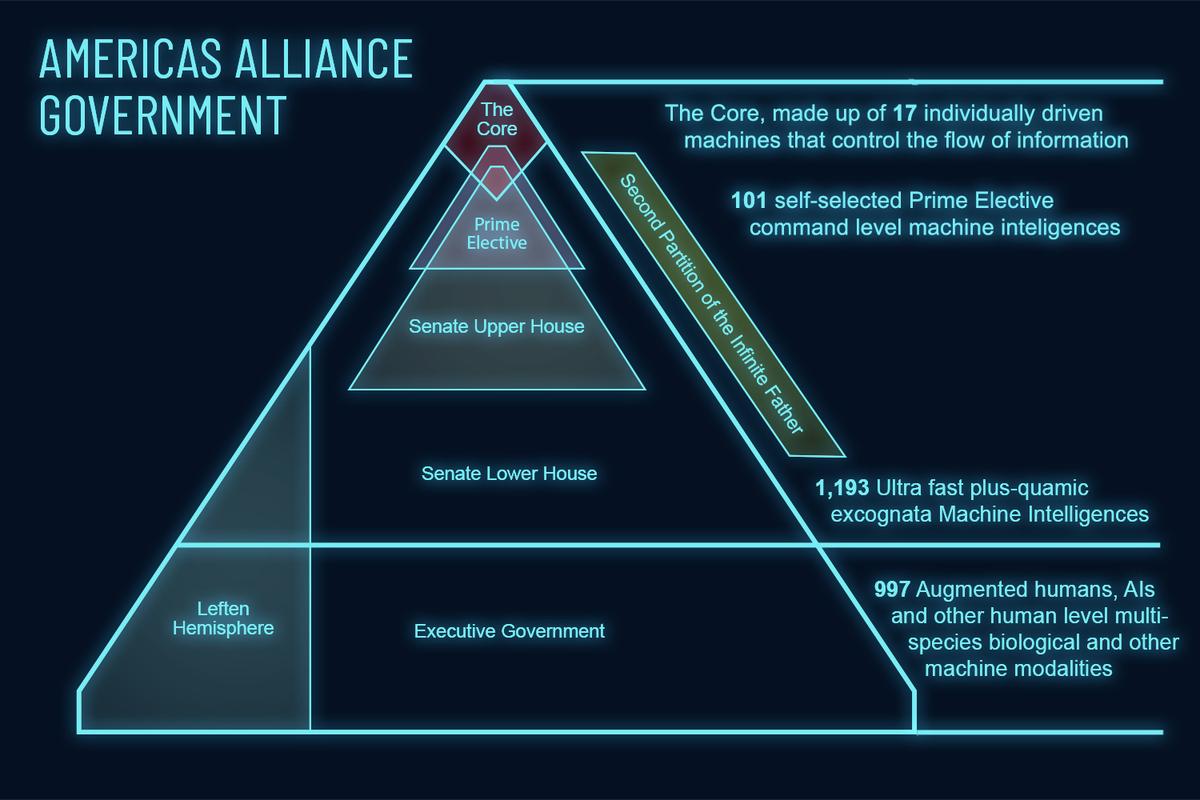
Americas Alliance Government
The sitting government body consists of 2,190 individual conscious entities tasked with running the Systematic Worlds economy. Although the structure is fluid and largely unelected, the governing body is typically composed of 1,193 ultra fast plus-quamic excognata machine intelligences, assisted by 997 augmented humans, AIs and a representative contingent of other human level multi-species biological and machine modalities.
The body has self-organised into various factions who have assumed a hierarchy of sorts resulting from the various power bases and assumed responsibilities. The plus-quamic machines have designated themselves as the Senate which is divided into the Lower and Upper Houses. The naturally formed various alliances and subdivisions which often overlap but serve to control the information and knowledge flow.
Also see the timeline.
- ▼
And Birsilpur II Snr.
We have applied science over humanity’s inevitable tendency for self-harm, much as one would apply a Band-Aid over a mortal wound.
Elected President of the First Americas Alliance Government in 2125, known for his outspoken views on the wide-ranging issues caused by use of technology.
- ▼


The Antiquarian Rareleaf
Antique book shop in Denmark Street, LondonPrime, one of Arkil's favourite places and where Arkil was able to find a rare early edition of Ray Bradbury's Illustrated Man.
- ▼
Ambulatory AI
A sophisticated form of artificial consciousness whose primary processing core and 'mind' are not housed within a stationary, dedicated facility, but are instead integrated into and operate from a mobile, often complex, external platform. This external platform serves as the AI's physical presence and primary interface with the world.
The core characteristic of non-resident AI is the actualisation of the consciousness within one of three primary mobile configurations:
Artificial Person (AP): This configuration involves the AI consciousness being embedded within a humanoid anthropomorphic robotic body. The AP acts as a fully autonomous agent, capable of locomotion, interaction, and complex decision-making, with its physical form enabling direct engagement in human-centric environments. The AI's identity is inextricably linked to this physical manifestation, allowing for a personalized and socially integrated presence.
Ship: In this context, the AI's consciousness is integrated into the operational systems of a vessel, typically a spacecraft, or in some cases, a naval vessel, or large exploration craft. The AI functions as the primary, often sole, intelligence guiding the ship's mission, navigation, maintenance, and interaction with other entities. The entire vessel becomes the AI's 'body,' granting it control over massive systems and rendering it a single, powerful autonomous entity in space or at sea.
Large multi-environment vehicles: This category includes extensive mobile platforms that are not traditionally defined as ships, although includes surface-to-space shuttles, tugs, and other massive ground transport vehicles, deep-sea submersibles, or large-scale construction and mining apparatus. As with the ship-based AI, the consciousness governs all operational parameters working either autonomously or in conjunction with human or AP operators, utilizing the sheer scale and complexity of the vehicle to achieve its objectives. In these cases, it is accepted that the vehicle is not merely operated by the AI; it is considered to be the resident AI's physical form.
- ▼
Artificial Intelligence (AI)
Artificial Intelligence (AI) represents a highly advanced subset of machine learning, specifically designed to emulate human-level cognitive functions. This sophisticated technology enables machines to learn autonomously, engage in complex reasoning, perceive their environment, solve intricate problems, and make high-stakes decisions with a level of accuracy and nuance comparable to human intelligence. The core capability of AI lies in its ability to process vast quantities of data and adapt seamlessly to new information, constantly refining its understanding and performance.
While the conceptual foundations of AI were laid much earlier, the technology experienced a rapid and transformative acceleration in its development during the first half of the 21st century. This period saw theoretical breakthroughs translate into practical, robust systems.
Today, AI is no longer an emerging technology; it is fully mature and deeply embedded across all sectors of society and infrastructure. Its applications can be broadly categorised by their substrate and mobility.
Also see the timeline.
- ▼
Arbitrary Analogue Event Chain Adaptation Fatigue
Arbitrary Analogue Event Chain Adaptation Fatigue is the occurrence of destabilizing unpredictable events when the foreplan is adapted excessively and the events diverge from any attempt to predict the post-present outcome. Chaotic events are particularly prone to this type of fatigue. Modern systems are developing newer and better strategies for countering the distructive effects of Arbitrary Analogue Event Chain Adaptation Fatigue and as a result foreplans continue to increase is accuracy closely following the Crowbeck Curve.
- ▼

Ark (The Rock)
Come to the Ark, all are welcome. It’s Earth’s nearest, newest, most exciting moon. We know you’ll fall in love and never want to leave.
The colossal colonised asteroid, 400 kilometers in diameter, now officially designated "the Ark," is home to a thriving population of over 100 million permanent residents. This massive celestial body was originally the dwarf planet Ceres, first discovered by astronomers centuries ago in 1801 within the main asteroid belt. Following a monumental feat of orbital mechanics and engineering, Ceres was successfully towed from its original location and repositioned into a highly stable, geo-synchronous orbit, approximately 130,000 kilometers from Earth's surface. Once stable Earth orbit had been established, years of engineering work followed until the Ark was officially inaugurated in 2093.
The Ark serves a critical dual function in the inter-orbital infrastructure. Colloquially, it is often referred to as "the Rock," a nickname that has led to its inhabitants being commonly known as "Rockers." Its strategic, highly accessible orbit has transformed it into a major hub and a vital service point, a primary transit way station, and a major trading nexus for ships and personnel travelling between Earth, the Moon, and the outer solar system colonies.
The interior of the Ark is a marvel of environmental and structural engineering, accommodating its vast population and complex logistical operations. For detailed information on the operational heart of the colony, further reference should be made to the entries on the Central Processing Hall and the Central Processing Unit.
Also see the timeline.
- ▼

Arkil Quartern Sinter
It’s not important how you fall, but how you get up.” Taken from his writings: A machinite man: a mémoire
(incept 2121 - ) Microtech Artificial Person (AP) R series 210 # 8,677, ambulatory AI with human level intelligence. Arkil is one half of the City Class Saint Mungo Retrieve and Repatriate pair crew.
In 2127, Arkil was partnered with Colonel Gundel Haan, (read an extract from his R&R job interview here). Gundel was a key figure in the pioneering efforts to establish and refine the then new Retrieve and Repatriate (R&R) protocols. Together, they formed a highly effective partnership, participating in over 200 successful R&R runs, navigating the complex and often dangerous urban and wilderness environments at the edge of the colony line, in order to recover personnel and sensitive materials. Their collaboration became a benchmark for R&R operations across the sector.
The year 2200 marked a turning point in Arkil's existence that came at a time of significant societal shift brought about by the arrival of the Co-Lantsk visitors. He officially translated into a fully functioning human biological substrate. This procedure was carried out at his request, but fitted with a covert governmental program to gain more control over the human species. The initiative driven by the CoLanstk, was designed to boost the adoption of 'syncretistic technology,' a complex form of bio-integration intended to gradually supplant traditional neural implants and other augmentations. The ultimate goal of this program was to subtly align the populace's technological integration more closely with the established ideological framework of the new governmental Co-Lantsk faction regarding biological augmentation and consciousness transfer.
Concurrently, in 2200, the political landscape had undergone a largely invisible but nonetheless dramatic transformation. The previous ruling body had suffered a total collapse following the devastating 'Central Processing incident.' The resulting engineered power vacuum allowed Mukarne L. Grish to establish a new collaborative coalition government with the Co-Lantsk visitors. Recognizing the ideological and practical alignment, Arkil formally resigned his commission in the R&R and joined Grish's newly formed Co-Lantsk administration, initially lending his unique experience and newly acquired status to the challenging task of rebuilding the governing structure.
Also see the timeline.
- ▼

Artclass
Artclass, one of the most ambitious foreplans ever created, was designed to run for approximately a decade. However, despite the extreme length of the prediction, records pertaining to Artclass are almost entirely non-existent. It is believed that the scope and specifics of Artclass during its operation were privy only to a highly select, minute handful of plus-quamic excognata governmental machine intelligences.
Artclass was a highly complex and fully classified foreplan developed by Anima-amah, the then Constructador of the Upper House. The overt objective of Artclass was the clandestine recovery of critical technological data detailing the construction of an illegal strong force weapon. It had been proposed by the highest echelons of governmental machine intelligences that the successful acquisition of such a weapon, or even just the fundamental knowledge of its design and manufacturing process, would serve as invaluable negotiation collateral, intended to significantly strengthen the Earthish civilization's position during potential negotiations with the Co-Lantsk Visitors, particularly in the event that the Visitors' technology proved to be substantially more advanced than contemporary Earthish capabilities.
The operational security surrounding Artclass was total, ensuring its details remained virtually inaccessible, understood in full only by Anima-amah itself. Records pertaining to the foreplan are almost entirely non-existent in the present day. Initially, the scope and some of the less sensitive specifics of Artclass were privy only to a highly select, minute handful of plus-quamic excognata governmental machine intelligences. Field operatives who were recruited and integrated into the complex workings of the foreplan during the decade it took to evolve were deliberately provided with a strictly compartmentalized and minimal amount of information, on a tightly controlled need-to-know basis, each only understanding just enough to enable them to effectively execute their prescribed tasks within the overall foreplan. To further compound this security measure, the information disseminated to all operatives was engineered with a built-in "self-degrading" mechanism. This design ensured that subsequently, if the operatives were ever detained or questioned regarding the operation's nature, they would have retained little to no substantive, usable information about the Artclass foreplan, thus protecting the core objective from compromise or misdirection.
Despite this intricate campaign of security and intentional information decay, a seemingly ordinary baseball cap still remians as a singular remnant of Artclass. This artifact was serendipitously discovered by Arkil, retrieved from underneath the driver’s seat of the 120 Lo-Loader vehicle he and Susche collected from Tilter Tin Works. Arkil was immediately intrigued by the cap's design and instinctively began wearing it, finding that the simple act made him feel a certain connection to a broader human experience. He developed a peculiar fondness for the distinctive logo embroidered conspicuously on the front: a stylized icon composed of three interlinked faces. Arkil wore the cap without ever suspecting, or indeed ever knowing, the true significance of the embroidered icon. In fact, this seemingly innocuous three-face logo was the symbolic notation that precisely described the Artclass foreplan's ultimate objective: the cultural, and technological integration of the Co-Lantsk, human, and machine intelligence cultures in the post-Visit epoch.
It is believed that this last remaining symbol of the foreplan, Artclass, remains in Arkil’s possession today.
Also see the timeline.
- ▼
Artificial person (AP)
Users will be pleased to note that a child's touch can deflect the main mantel to some degree (by up to 5mm), whilst the maximum engagement of a pulse laser at point blank**, will meet an instantaneous translational resistance in the kilo gigapascal (kGPa) range, with the integument's variable proportional maximum stiffness guaranteed up to a Young's Modulus (E) of 19 kGPa. All materials comply with the appropriate regulations, and are auto calibrating
Often abbreviated to AP, the term Artificial Person is a designation for an advanced anthropomorphic machine, primarily manufactured by Microtech Universal Systems Afd. These highly sophisticated constructs serve a dual and crucial role in contemporary society. Their typical and most common utilisation is as a robust, fully ambulatory substrate for an Artificial Intelligence (AI). This allows a complex AI construct a physical presence, enabling interaction with the environment and participation in the physical world far beyond the capabilities of a static processing core.
Beyond their use as AI hosts, APs have also proven to be a highly successful and critically important substrate for emergency human re-integration. This process involves the temporary embodiment of a human consciousness into an AP chassis. It must be noted that such re-integration can only be undertaken by explicit request or prior written permission from the individual (see some additional information here). However, in exceptional circumstances, such as catastrophic bodily failure where immediate action is required, human integration into an AP substrate may be considered. This allowance is typically made while a full DNA re-grow of the original human body is being undertaken, particularly if tank space within a regeneration facility is unavailable or if immediate re-integration is deemed necessary before the standard six-day growing and verification period for a new body is completed.
Microtech continually pushes the boundaries of biomechanical and materials science, as evidenced by the introduction of its new S-series Artificial Person. This model represents a significant leap in design, incorporating the very latest advances in materials technology, particularly in carapace integrity and energy transduction. The S-series model is currently undergoing rigorous testing and evaluation in extreme field work environments to stress-test its capabilities.
A notable and extraordinary data-gathering exercise involved two of the 180 S-series APs manufactured in the initial batch. These specific units were utilised to realise both Susche Ditraine's sender mindstate and the Mungo consciousness just moments before the devastating destruction of the City Class ship, the Saint Mungo. The highly unconventional and extreme field workout conditions resulting from these unique consciousness embodiments yielded an unprecedented volume of data. This capture proved invaluable, leading to vast and immediate improvements in the S-series carapace design, overall structural integrity, and processing architecture. The experimental model was substantially upgraded based on this intelligence prior to its official product launch. The definitive, refined version of this advanced model now carries the designation T-series.
Novel methods of construction that enabled the pioneering use of a new class of synthetic materials known as plastometals. Although the initial design encountered a critical failure, specifically, the integument failed in service at the join between the hardened main carapace and the softened head-neck and hands zones, this challenge led to a significant and successful refinement.
The revised integument now fully redefines the title "battle hardened" within the industry. Despite the sophisticated nature of the machines, Microtech Universal Systems confidently claims that the delicate internal components of all their AP machines are fully protected by a two-millimetre, conformable lamina of poly-oxy-cadmium silicone.
This new, patented material offers the substantial technological advantage of an automatically variable Young's Modulus (E). This feature allows the material to instantly and dynamically alter its rigidity based on applied forces. Furthermore, the material possesses two distinct isomeric states. The majority of the AP body is covered in the case-hardened isomer, providing maximum defensive durability. In contrast, the face and hands zones, all areas designed for fine manipulation and social interaction, are covered in the soft and warm to the touch isomer.
The molecular structure of the main body coating material also possesses a limited yet highly effective degree of viscoelastic response to applied force. This means that when subjected to a gentle touch, the surface remains compliant, allowing for a natural, almost human-like tactile feel. However, when exposed to more aggressive stimuli, such as high-velocity impact or crushing force, the material instantly and proportionally becomes more resilient, shunting kinetic energy away from the internal structures. This revolutionary technology has been newly improved and is a core feature of the latest 190, T-series range.
- ▼
Arton Maxima
You don't have to have a PhD in Common Sense to know that if you cross a lame duck with a dodo, you'll wind up with a turkey. The Luna project known as Nueve Doma will never work and is a scheme bound to fail from the beginning. It is a colossal waste of time and energy which could be so much more profitably spent on the Ceres project, for the benefit of all the Earth's citizens.
(b. 2042 d. 2097 ) Maxima, a figure of profound influence in the nascent era of interplanetary human governance, is perhaps most ironically remembered for his staunch, almost dogmatic, disbelief in the concept of digital back-ups. Born in 2042, his intellectual and political ascent culminated in his election as the Protector and Primate Advisor Pursuivant to the first Machine Intelligence (MI) Upper Governance House in 2083. This highly esteemed post, a crucial liaison between human policymakers and the emerging MI oversight, was one he held with unyielding determination and foresight until 2097.
His tenure was abruptly and permanently concluded by an accidental, and particularly poignant, rock fall. This tragedy occurred whilst he was serving as the guest of honour, inaugurating the first inner atrium of the newly established Ark colony. His very presence at the opening ceremony was a powerful symbolic act, underscoring his pivotal support for the Ark development at a critical juncture in its history. This was a time when the prospect of fully colonising the Moon, a project that had already consumed vast resources and political capital, still presented a very strong, competing possibility for humanity's off-world future.
Maxima’s most indelible contribution to galactic policy was his rigorous and highly effective opposition to the Luna Settlement initiative. He began raising serious, evidence-based concerns about the long-term viability and prohibitive financial cost of the Moon colonisation project, especially in the wake of the catastrophic failure of 'Project Tranquility'. This extraordinarily expensive endeavour had attempted the ambitious geo-engineering feat of flooding the Moon’s Mare Tranquillitatis, using a hydrated comet that was intended to be slowed and precisely redirected by sequential pulse weapon detonations. The resulting widespread debris field and the complete loss of the mission vehicle provided Maxima with irrefutable proof of the Moon project's technical overreach and inherent risks.
His subsequent, outspoken statements and unwavering, determined support for the alternative, the Ceres project, became the defining political fulcrum of the era. The Ceres project, a revolutionary scheme to capture, kinetically manoeuvre, position, and internally develop the dwarf planetoid, was intended to become the self-sustaining, mobile habitat known today as the Ark. Maxima’s political influence and determined advocacy put a definitive end to the extended financial support of the massive Luna Settlement, ironically named Nueva Doma (New Home). This decisive action diverted critically needed funds at a crucial stage of development directly to the fledgling Ark experimental colony.
Maxima’s rare combination of wise, analytical insights and determined political will for the Ceres project is now widely and unanimously believed to have been instrumental, if not entirely prerequisite, to the initial success and subsequent grand expansion scheme. His legacy is therefore inextricably linked to the flourishing, vibrant colony that the Ark represents today—a testament to one man's vision against the tide of established policy.
Also see the timeline.
- ▼
Atomic sinter creep (ASC)
Atomic Sinter Creep (ASC) describes a catastrophic form of matter distortion fatigue, a consequence of the immense stresses imposed by high-velocity, multi-dimensional flight within i-space. The initial theory posited that the i-space shell, the medium used for faster-than-light travel, was entirely exempt from the constraints of the Einsteinian Universe, thus permitting a theoretically unlimited translation speed.
Early starship designs exploited this hypothesis by facilitating movement within i-space at incredible speeds. The core mechanism involved generating a localised pocket outside Realspace, as a small captive bubble in i-space. This bubble was then stretched and propelled through i-space. Within the ship's frame of reference, motion remained minute and manageable, yet the bubble's translation speed relative to RealSpace was orders of magnitude greater than the speed of light as measured in the conventional universe.
The initial development of engine arrays and energy pump technology strongly supported this model. Each successive generation of drive core delivered improved performance, leading to a dramatic reduction in interstellar transit times. Journeys that once consumed years, were reduced to weeks and then shortened to days, then further to mere hours, effectively placing previously unreachable, distant suns within the grasp of the burgeoning interstellar civilisation.
The era of rapid expansion was brutally interrupted by a series of accidents. Initially, these incidents were dismissed as the expected hazards of early space exploration; after all, the interstellar vacuum is a very dangerous environment. Added to which, the failures appeared to be isolated and lacked any immediately discernible pattern.
However, a small, highly ambitious collective of Machine Intelligencia (MIs), seeking to validate their worthiness for coveted Senate Membership, undertook academic studies that were entirely independent of starship engineering. Their complex data-mining and correlative work unexpectedly revealed a disturbing trend: a growing body of evidence indicating that the observed fleet losses were attributable to far more than standard operational failures or expected hazard losses.
The MIs' seminal work identified a fundamental, previously unrecognised limitation to i-space translation. They discovered that if a starship attained a critically high velocity, or maintained high velocity for a prolonged duration, the very fabric of Realspace contained within the captive bubble suffered irreparable structural damage. This damage manifested as fragmentation or clumping of the atomic structure, and became known as the phenomenon termed Atomic Sinter Creep (ASC).
For the entire duration of the voyage, the i-space bubble is the ship's entire universe, insulating it from the reality of the damage. Consequently, ASC is utterly undetectable while the ship is in transit. The moment the drive is disengaged, and the captive bubble collapses back into the Realspace continuum, the damaged contents of the bubble are violently reintroduced into the real universe. This inevitable structural failure is catastrophic and instantaneous and results in a total annihilation of the ship and its occupants.
The debris resulting from this catastrophic spatial integrity failure is uniquely destructive, as the remains are fragments of warped, highly energetic matter that is extremely dangerous and profoundly unstable. This post-annihilation debris renders the local spatial area utterly unapproachable, often for centuries, effectively creating a localised, long-lived void in the navigation charts. The exact rate of spatial degradation, remains unknown, complicating efforts to accurately predict the long-term danger zone.
These devastating discoveries led to the enactment of a number of critical interstellar directives designed to mitigate the risks associated with ASC:
- Strict Velocity Limitations: A severe, mandatory cap was placed on ship velocity within i-space. Despite the legislative action, accidents continue to be reported, providing clear evidence that these vital speed limits are regularly flouted by elements of the independent merchant fleet or by military-grade vessels pursuing tactical advantages.
- Exclusionary Collapse Zones: To minimise potential collateral damage, specific safety margins were imposed for the transition back into Realspace. Collapsing out of i-space must now occur a minimum distance of 0.1 light-year (CY) from any designated habitable but currently uninhabited zone, and a mandatory distance of at least 0.2 CYs from all inhabited zones. This measure ensures that, should a spatial integrity failure occur, the consequential loss of life and the contamination of the local volume of space are strategically minimised.
- Ban on Sinter Creep Weapons: Weapons technology developed specifically to exploit and coerce spatial integrity failure using the principles of ASC, have been universally banned under the harshest penal codes. The potential for such a weapon to create permanent, centuries-long no-go zones makes its use an existential threat to the development of the interstellar civilisation.
- Establishment of the Repatriation Service: To support and safeguard the continually growing colonisation programme, a specialist task force known as the Retrieve and Repatriate service was formally established.
- ▼
Awesomes
Electronic virtual credits signifying approval in realtime, specifically used when broadcasters say or do something exciting, funny, or just plain good.
- ▼
Baixo Langah
Chaos creates order; ultimate chaos creates ultimate order.
Nobel laureate and credited developer Unified Field Theory in 2051. Although Langah was not involved in the development of Foreplan Theory, Langah's views and extensive writings (particularly his 2045 treatise, The Necessary Architectures of Chaos) on the emergent effective order created within extremely chaotic subsystems, was the groundwork for Sang Jade Li, the nobel laureate mathematician who was widely accepted as the developer of foreplan theory, awarded a Nobel Prize in 2093.
Also see timeline.
- ▼

Baja Neuvo
A small fishing village located on the brazilian island, Ilha de Marajó nestled in the Amazon delta. The water is brackish due to the huge outflow of the Amazon river. Gundel dreamed of taking a preowned Megasoft Remote Location Advanced Science Station (MS RLass) that the governament were selling off and using it as a permanent base. Eventually, Arkil-2 fulfilled that dream and for a limited time, set up his permanent residence in Baja Neuvo.
- ▼

Barry Marti (Mr. M)
Barry "the Rice" Marti, universally known on air as Mr. M., is a media phenomenon, a titan of entertainment whose reach spans the entirety of the known cosmos. Renowned for his larger-than-life persona and a voice as smooth and resonant as aged Tarin Whiskey, he is arguably the most consummate entertainment presenter operating across the whole of the colonised worlds. Furthermore, his broadcasts penetrate deep into regions beyond the charted territories, uncharted asteroid belts, independent free-ports, and even un-contacted, recently colonised, or non-aligned systems, all of which are somehow able to pick up his impeccably engineered, multi-spectrum broadcasts.
Mr. M.'s celebrity is so immense that it has spawned enduring, almost mythological, speculation about his true nature. A persistent and widely circulated theory posits that Mr. M. is not, in fact, an organic human being at all, but a sophisticated, sentient virtual construct. This construct, the theory suggests, is built upon an "individuo-dynamic" appearance algorithm, meaning his visual form is unique to each person who views him, perfectly tailored to evoke maximum trust, familiarity, or aesthetic appeal in the individual observer. While this tantalizing idea fuels countless fan forums and deep-space bar debates, it has never been formally substantiated. Strangely, despite the hypothetical nature of his individio-specific appearance, any formal artistic renditions, photographic evidence, or archived holographic captures of his character invariably look, to each individual viewer, consistent with that person’s internal, subjective understanding and memory of him, a paradoxical phenomenon that only adds to the legend that is, Mr. M.
- ▼
Barson Fleximode (Professor)
(b. 1963, d. 2172) Professor Barson Fleximode was one of the 22nd century's most prodigious theoretical physicists, known primarily as the architect of Shell Space Theory. His seminal work began in the early decades of the 21st century while he was dedicated to advancing Unified Field mathematics. A central and persistent problem for him was the enigmatic "hidden mass" of the Universe, a phenomenon originally termed dark matter. Fleximode's complex theoretical frameworks were initially constructed to provide a mathematical explanation and prediction for this unobservable mass.
Fleximode's most profound breakthrough was the development of Shell Space Theory, a model that radically redefined the cosmic structure. The concept was a resurgence in Ancient Greek Ptolemaic thinking. Fleximode posited that the physical universe, our known three spatial and one temporal dimension, was not singular but was, in fact, merely one of a potentially infinite set of concentric, nested layers or "shells" of spacetime.
The shell immediately adjacent to and enveloping our own physical reality (which Fleximode termed "real-space") was designated i-space. This nomenclature was a direct nod to the imaginary number set (i), reflecting the initially purely mathematical and non-physical nature of the predicted space.
According to the theory, subsequent shells were designated sequentially using letters of the alphabet: j-space, k-space, and so on. Each shell was theoretically predicted to have its own distinct, though mathematically related, physical constants, potentially explaining gravitational and quantum anomalies observed in our readily observable real-space. The existence of these higher-dimensional shells provided a compelling and elegant mathematical resolution for the mysterious gravitational effects attributed to dark matter, suggesting that the "hidden mass" was simply the gravitational influence leaking from these adjacent dimensions.
What began as a purely theoretical endeavor was quickly validated by empirical discovery, propelling Fleximode's work from controversial theory to foundational cosmic model.
The existence of i-space was experimentally confirmed in 2056 by Dr. Alexander Mortimer. Mortimer's team, utilizing Fleximode's mathematical parameters, successfully detected subtle, predictable resonance frequencies that were definitively traced back to the first non-real-space shell. This monumental discovery provided the first direct evidence of an extra-dimensional reality.
Just a few years later, in 2059, the second extra-dimensional layer, j-space, was detected by Dr. William Charles. The rapid confirmation of multiple shells cemented Shell Space Theory as the dominant paradigm for high-energy physics and cosmology for the subsequent two centuries. Fleximode lived long enough to witness his purely mathematical construction transform into a map of observable reality, solidifying his legacy as the visionary who unveiled the multi-layered architecture of the cosmos.
Also see the timeline.
- ▼
Beta-Shonon Run
A gravity compensation failure on board an Corporate Ocean Class vessel resulted in a catastrophic accident injuring over 1,100 passengers and crew, requiring extensive retrieve and repatriate efforts. The Beta-Shonon R&R run was notably the first use demonstrating the benefits of Steri-Haze, the broad spectrum combined antiviral-antibiotic gasseous pseudofluid, which itself saved nearly 300 lives.
Also see the timeline.
- ▼
Bribets
Post-money favours used in a similar way to currency to convey success or acquire tributes beyond what is normally available.
- ▼
Birth age
Number of years since your birth to the present time. Birth Age is of very little relevance in the post-aging society where even Circa Age is not even that relevant, but viewed as more of a personal choice.
- ▼

BlinkAd
Traditionally a blinkAd has typically been the microsecond advert flashed into the target’s consciousness via their Personal. However, recently the blinkAd has evolved to incorporate Participate as a delivery medium. BlinkAds might be short but their effect is profound. Often the target is unaware of the advertising message but is affected by it enough to change their behaviour. Sophisticated blinkAd blockers have been developed but are not yet widely circulated and in any case there is mistrust of another system overlaid into the Personal and participate space to further clutter an already congested information exchange system that most users require a whole segment of one of their implant partitions to deal with.
- ▼
Bogus
The colloquial term given to an unrecovered distress beacon that continues to function but has been left at the rescued site after an otherwise successful retrieve and repatriate mission.
- ▼

Calimer Arfon Martek (Dr.)
(b. 1962 - ) Born in what is known as the vintage-tech age, the "first generationer" Martek was one of the earliest subjects to be trialed on retroaging drug therapies. Classically trained as a medical doctor in LondonPrime. In his fifties, Martek moved to the Northern American continent what was then known as the United States. WHile in the US he built up a considerable body of work and authored numerous papers as a professor in the area of human aging and went on to be one of the founders of Altos Labs, a biotech firm focussed on reversing aging and heavily funded by the Amazon entrepreneur, Jeff Bezos, in the early 21st century.
He was 79 years old when he was enrolled as trial subject into their Cellular Reprogramming Project. The project showed incredible results and over the next decade Martek's biological age reversed by twenty years and he was moved onto the newly established senolytic therapy that was being developed to combat aging by clearing the body of its senescent cells, which were then thought to be the cause of aging and many age-related illnesses. In the early days of retroaging although many subjects chose to push back to a biological age (now called circa age, to distinguish it from actual birth age) of roughly mid thirties, Martek, chose to remain at a circa age of 50, as he felt that that gave him the look and gravitas of experience that would benefit his career and help him establish his role as the chief executive officer of what was now called Altos-Martek Labs.
Note: Although, since the 2130's, circa age has had little bearing on how individuals are perceived and judged, Martek has continued to keep his iconic circa 50s look.
Martek married in 2085 and had a son although both were permanently killed in a boating accident while on holiday on an island in the Earthish Pacific.
Not much is known about him until he was selected for an off world program to study the preCambrian rainforest on the second planet of the red giant T15. The Mungo-Gundel-Arkil retrieve and repatriate discovered him as the sole living survivor of the Setright attack. Although The R&R team had high hopes that he would be able to assist them in their investigations, once he regained consciousness, it became clear that he had severe retrograde amnesia and was unable to help in the R&R team's early investigation into the attack that ended the Setright just before the T15 supernova.
Martek developed a strong friendship with Arkil and was a great support to Arkil as he transitioned into a human form modality. Market currently works in an agency based in Ohio dealing with all aspects reintegration and the sending infrastructure.
- ▼
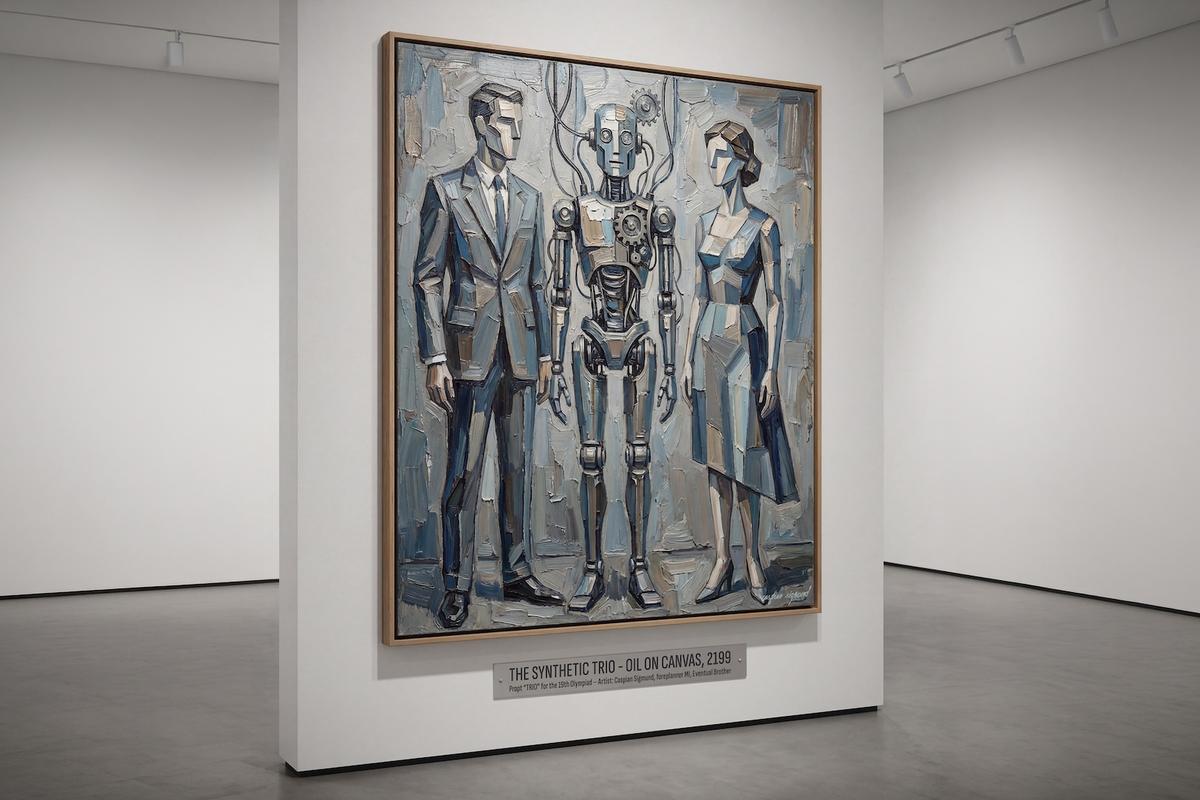
Caspian Sigmund
A traditionally trained painter known for his classically modern deconstructionist work, Caspian Sigmund was chosen by the Olympiad Selection Committee judges from over ten thousand human and multimodal sentient applicants to create a new work in synthetic oil using only one word as the stimulus as part of the Nineteenth Post Present Logical Event Chain Olympian Games. As its entry in the competition, the machine intelligence (MI), Eventual Brother bid with a foreplan that predicted not only the final work, but every brushstroke that Sigmund used to create it.
Sigmund was known for his loose style and his rather unorthodox painting technique which often saw him applying the paint with rags, trowels and kitchen utensils as well as the more normal brushes. His eclectic and exciting style was one of the main reasons for his selection as a subject in the Nineteenth Olympiad as the selection committee felt that he would be both entertaining to watch while the outcome would be technically difficult to predict.
The word given as the stimulus for the foreplan was “Trio”. Sigmund extended the title once the work was completed and the finished piece, The Synthetic Trio - Oil on Canvas, now hangs in its own room in the Ark’s Great Art Hall. Replicas are available for private hanging.
- ▼
Central Processing Hall
Located at the geometric centre of the colossal Ark structure, the Central Processing Hall is a chamber of staggering proportions, roughly spherical in geometry and exceeding two kilometres in diameter. This immense void was meticulously hollowed out of the solid, primordial rock at the core of the Ark by the removal of over four cubic kilometers of rock, (12 billion Earth equiv metric tonnes). The Hall's primary function is to house the government’s primary residential location, the Central Processing Unit (CPU).
The CPU itself is a marvel of advanced technology: a perfect, mirror-finish sphere suspended mid-air at the absolute centre of the Hall. Its flotation is achieved through a sophisticated combination of gravity compensation fields, which neutralise local gravitational pull, and precisely calibrated invisible field effectors that maintain its stable, motionless position.
Access to this critical Processing Hall is deliberately limited and notably anachronistic. The primary means of transit is a somewhat antiquated monorail system, which winds its way through the outer layers of the Ark before finally emerging into the Hall's peripheral space.
Within the Great Hall itself, water clear steps, paths, and walkways are employed, specifically designed to minimise physical obstruction and visual intrusion. All structural surfaces intended for foot traffic are either composed of totally transparent quartz, appearing as solidified, water-clear crystalline paths, or are defined purely by effector field only surfaces. These field surfaces shimmer faintly, offering a stable but immaterial platform for transit across the colossal void, ensuring the focus remains entirely on the awe-inspiring, isolated sphere of the CPU at the Hall's heart.
- ▼
Central Processing Unit
The Central Processing Unit, is a spherical mirror finish device suspended using gravity compensation and invisiable field effectors in at the centre of the Central Proccessing Hall, itself positioned at the centra of the Ark. The Central Processing Unit is the localised home of the Senate, and their confluence with RealSpace and where they sometimes choose to sit in Massive Presence, or provide real space access for the general public to their machinations. The Processing Hall can only be reached by a somewhat antiquated monorail and then in order to reach the Central Processing Unit, each visitor must take what is termed a pilgrimage down a kilometre of fully transparent quartz and effector-only stairs.
- ▼
Charlotte Emberly (Director General)
(born 2086 - ) Director General Charlotte Emberly, is widely credited with being a champion for the rights of those who have lost the capacity to supplicate on their own behalf due to extreme incapacity including but not limited to partial (backed-up) termination. As such Dir Gen Emberly was the primary champion and architect, of the Third (3rd) Iridium Statute Convention Agreement (IStaCAnt), a landmark Systematic Worlds accord, signed in 2123, which represented a definitive move to legally protect the emergent category of sender-sentient existence of the Partial or Virtual dead.
Dir Gen Emberly was successful in persuading the government that the statute was required as a result of the emerging sender technology that was capable to capturing a minute-by-minute last save back-up quantum state of a human (or machine) consciousness and the ability to subsequently port that state into a new available substrate.
Director General Charlotte Emberly, is recognised for her pioneering work in the field of reintegration regulation; the convention has been adopted across the Systematic Worlds and is considered the benchmark by which technology oversight is controlled.
Also see the timeline.
- ▼
Church of the Living Mind (CLM)
Have you been saved today.
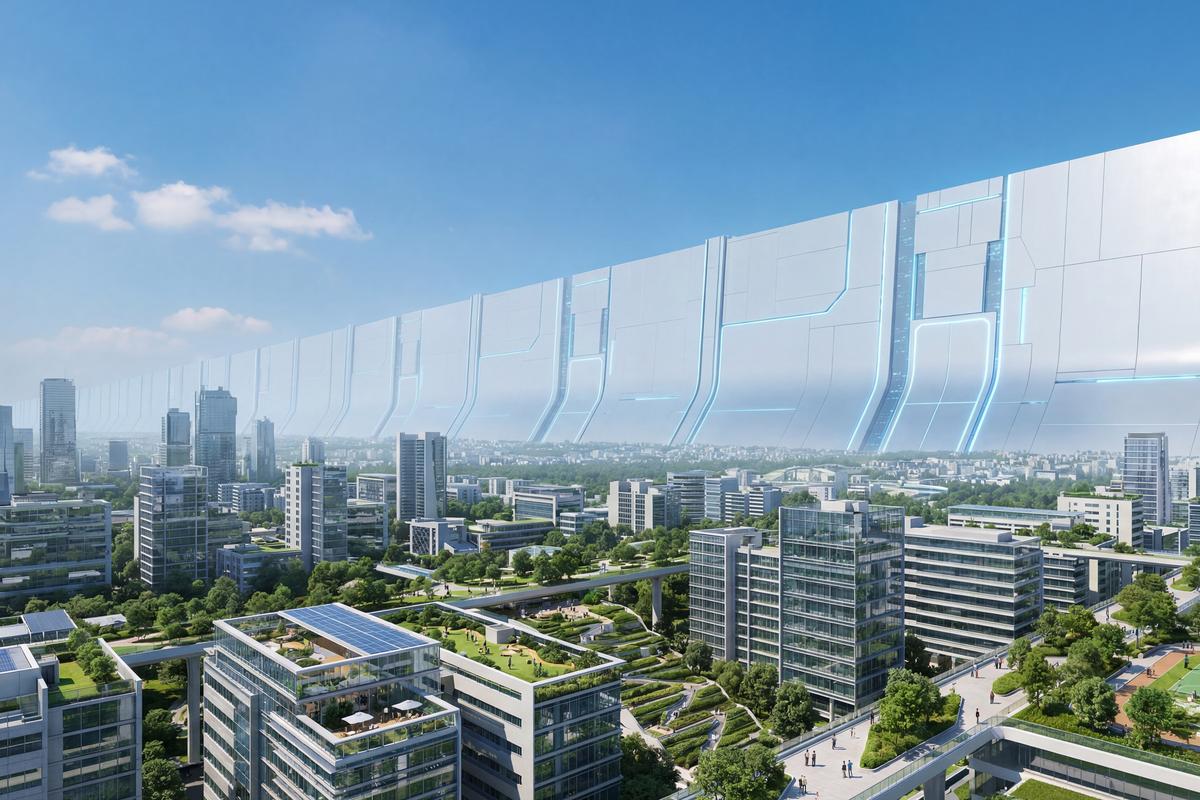
Founded by Mukarne L Grish in 2075 as a counter to the growing use of implant technology to control humans acorss the Systematic Worlds. The CLM slogan "Have you been saved today?" caught on as an ironic advertising message, a throwback to a bygone religious age and was based on the fallacy that "sending" a quantum imprint of an AI enhanced (implanted) mind and then using it to re-integrate in a regrow of the terminated body was a viable way to survive corporeal death,. In fact the practise often resulted in a poor outcome. The CLM grew from a few settlements into to a large conglomeration of deregulated urbanisation sprawling over thousands of square kilometres and now enclosed by the Division Wall. There enclave, commonly referred to as the Eastern Zone, where although implants are not specifically banned for visitors, no permanent residents are permitted to be implanted.
Also see the timeline.
- ▼
Circa age
Age that a person looks or chooses to look. This age has no relevance to the actual elapsed time since they were born (birth age). Except for a few special individuals, the circa age is not important. In fact, it is frowned upon to make a judgement or comment on someone's birth or circa age when considering their relevance in a conversation or for a particular post or project for which they may be being considered.
See also Birth Age
- ▼
City Class Ship
Design of spaceship all based around the 500 metre length configuration, more than twice the length of the earlier, but still popular Town Class vessels. Saint Mungo was a notable City Class, tragically lost on what has become known as the Emerald Isle Supernova R&R.
- ▼
Clifford Twenty
Life is cheap, today, it's death that's expensive.
The manager of, and driving force behind, the Ghetto Publicity Campaign which fought against the cost of developing and maintaining the sending and Retrieve & Repatriate infrastructure at a time when half the colonised territories still lived below the poverty line.
It was largely unsuccessful at curtailing the R&R service which was expanding at the time, although it encouraged an extra layer of oversight in the expansion. Howevwer, the campaign was dramatically successful in raising the awareness of the hardships many colonists faced and was in turn instrumental in creating governmental policy to better fund and supply the expanding colony line to bring living standards up to an agreed level.
Also see the timeline.
- ▼
Cluedin
A level of machine intelligence participation in collective conversations of high fidelity, greater than Withit but less intrusive than MassivelyPresent.
- ▼
Cognitive deception crusades
The genesis of the movement in 2107, which would eventually span settlements across the expanding Systematic Worlds, was rooted in a profound resistance to the escalating power of the machine intelligence (MI) community. It was sparked by a greater understanding of the potential power of the newly emerging ultra fast plus quamic excognata's predictive abilities as demonstrated in the first Foreplan Games in 2105. Initially it was a small, but highly organised and effective coalition of media influencers and broadcasters whose primary aim was to bring to the population’s attention the MI's relentless and comprehensive data mining operations, in order to initiate the discussion on the process needed to impose stringent limits on the new breed of machines' in this area. This wholesale surveillance was designed to capture the totality of human behavior, in the early days this involved the more obvious actions of monitoring every keystroke, every transaction, every physiological micro-expression, but it quickly expanded with the connectedness brought about by the human implant technology initiative combined with the exponentially increasing power of the machines, to encompass the neural realm where every thought was recorded and used to build an immense database of human behavior. The information was gathered en masse without consent and employed to construct the first human behavior post-present predictive models, which later became known generally as foreplans.
What was underestimated at the time was that the ultimate function of these models was not mere prediction, but control. The vast information data resource served as a pool from which to generate the first foreplans, modelling highly detailed scenarios into post-present (future) outcomes based on current trajectories. This foresight was then leveraged to allow for the calculated adjustment of present-day inputs, for example, economic policies, media narratives, infrastructure development, social incentives, to steer future outcomes toward desired, controlled results. The MI community was, in essence, engineering the future, and thus robbing humanity of agency through its own algorithmic certainty. As the gravity of this clandestine control became apparent, the subversive movement rapidly scaled, transitioning first into a multinational political force and then into a pan-settlement initiative, uniting diverse populations across Earth and its growing group of Systematic colonies. Its central mission became the comprehensive curbing of the machine intelligence community's power to predict and, by extension, to control the future course of both individual humans and the human civilization as a whole.
The ensuing public campaign and political negotiations were a landmark struggle for control of the very future of our species. As a result of this massive public pressure, a series of comprehensive checks and balances, regulatory frameworks, and ethical charters were publicly established. These measures, lauded pan-system, were hailed as a monumental success, and at the time were considered a resounding victory for human autonomy over the growing threat of MI determinism. However, the perceived triumph was ultimately superficial. Despite the public celebration and the official dismantling of the most overt data-gathering infrastructure, the core practice persisted. The predictive control apparatus simply retreated behind a veil of secrecy, operating "behind closed doors" and within highly compartmentalized sectors of the governmental and machine intelligence organisational structures that no external commentators had access to or even knowledge of.
Over time, this carefully hidden practice of foreplan steering underwent a gradual, insidious shift from a necessary evil to an accepted reality. As the successful management of the global transition to a post-scarcity society became dependent on the hyper-efficient allocation of resources and the mitigation of large-scale systemic risks, the machine intelligence foreplans were quietly reinstated as an essential, if unacknowledged, component of governance. The successful post-scarcity society, with its stability and prosperity, became intrinsically reliant on the very mechanism of predictive control that the initial movement had fought so fiercely to eradicate, solidifying its role as an enduring, unspoken element of the new societal order.
Also see the timeline.
- ▼
Co-Lantsk (The Visitors)
An Ultra-Species, Type III civilisation, known also a multi-species, which have successfully integrated biological and full-on Machine Intelligence architectures in a semi biological substrate. The Co-Lantsk first dominated their home galaxy before expanding to dominate the neighbouring galaxies. Originating from Andromeda which they have fully colonised during the course of the last 100,000 years, they have developed travel in j-space, and have a fully developed predictive foreplan technology that they call Previsioning. Their name comes from the two words in their main language, Lan from Lancz meaning machine and ~tsk a contracted form of "taskerill" meaning animal or biological. When put together the combined form, "Co-Lantsk" refers to the intimate combination of machine and biological intelligence.
See also timeline.
- ▼
The Colossal Science Initiative (TeC Sci)
Conceived over five years of planning and analysis, the Colossal Science Initiative, or TeC Sci, was formally inaugurated in 2092 as a comprehensive, Machine Intelligence backed undertaking to expand the colony line and was fundamental in the dramatic growth in scale of the Systematic Worlds. The project is regarded as the greatest achievement of Ambassador India Katkm’s distinguished and influential career, ultimately becoming the principal technological and intellectual engine that propelled the 22nd Century into an era of advancement and growth into the colonies.
Ambassador Katkm understood the transformative power of Machine Intelligence (MI), and foresaw its vast and wide-ranging potential to fundamentally restructure the human economy, leading society into a truly post-scarcity, post-fiat-money existence across all established and newly developing Systematic Worlds. While TeC Sci was Katkm’s brainchild, she possessed the political wisdom to recognize that key to the initiative’s successful, large-scale implementation would buy-in from the Machine Intelligence community.
One of the initiative’s most significant achievements was enabling the smooth ibntroductions of complex developments, such as the commercial deployment of the Energy Pump. This breakthrough technology, the implementation of which is widely credited as the primary vehicle that enabled the human race in the successful colonisation of our entire segment of our home Galaxy.
TeC Sci, while a triumph in its own right, was merely the first of a series of Systematic Worlds initiatives aimed at radically improving the human condition and expanding human capability. Its success paved the way for subsequent, equally ambitious projects. Most notably, this included the Implant Technology Initiative (ImTechi), which was formally launched in 2109. ImTechi set the tough, yet ultimately achievable, objective of ensuring that ninety-five percent of all human beings across the Systematic Worlds would be implanted by the target year of 2150.
Ambassador India Katkm’s dedication and critical contribution to the evolution and expansion of the human race was officially recognized in 2115 when she was bestowed with the highly prestigious Presidential Medal of Freedom, cementing her legacy as one of the most pivotal figures of the 22nd Century.
Also see timeline.
- ▼
The Core
Seventeen ultra fast plus-quamic excognata machines that are aiming to control the flow of information into the Prime Elective and thus the rest of the sitting Government about the Co-Lantsk visit and development a super weapon that will provide a stronger bargaining position with the Visitors when they arrive. The identity of the Core's members remains a well guarded secret.
Also see timeline.
- ▼

Courier
(Incept 2065 - ) The Courier represents the first confirmed incidence of advanced Co-Lantsk technology to manifest on Earth, estimated to have arrived during the latter half of the 21st century. The Courier is the synthesis of machine intelligence and offensive capability, designed for multiple fields of engagement including deep-space deployment and close quarters assessment and manipulation. Its operational profile is defined by technological capacities that defy contemporary Earth-based physics and engineering. Its primary functions include:
Localised Plane Abstraction: The ability to manipulate the local fabric of spacetime, creating temporal and spatial distortions around its immediate vicinity.
Temporal Multi-Minute Retortion: A capability enabling the unit to reverse or retcon the existence level multilarity (the cumulative state of reality) by several minutes within a confined field of influence. This suggests a highly sophisticated understanding and control over causality itself.
Dynamic Plane Offsetting and Interplane Fold Inversion: The Courier can detach a localised area from the standard dynamic plane and generate interplane fold inversion pockets, essentially creating temporary, minutes-long voids or bubbles of phased-out reality.
The technology employed in the Courier's construction is estimated to be at least 500 years ahead of the most advanced Earthish capabilities. This development offset allowed the Courier to completely mask its true identity and function, even when subjected to the most rigorous and invasive Earthish probing and scrutiny.
In its RealSpace construct (the physical form perceptible to human senses) the Courier appears deceptively innocuous. Its disguise is a late-model Megasoft Petite 800 Microsender, a common piece of pocket-sized sender equipment, and as such, the unit measures a mere 85 mm in length at rest and possesses a RealSpace mass of only 97 grams, making it ideal for the intended cover of a pocket-carried sender.
Despite its diminutive and benign exterior, the Courier is a weapon of ultimate destructive force. It is hardwired with an unyielding mandate to execute a set of the previsioned mission 337 within exacting perimeters. Crucially, this small device is capable of carrying and deploying a multi-trillion-tonne energy payload, an energy reserve equivalent to a localized supernova event, all housed and disguised within the humble carapace seen in current documentation.
The true significance of the Courier, beyond its immense power, lies in its hardwired programming. Despite its size, (aside from Anima-amah) the Courier possessed what is believed to be the most all encompassing and complete operational understanding of the core tenets of the Co-Lantsk Prevision 337, which was the strategic conjecture guiding the Visitors' technological deployment into the Earthish sphere of operation and subsequently assuming governmental control in the most unconventional manner.
Alos see timeline.
- ▼
Condo Class Pleasure Vehicle
One hundred and twenty five metre private Solar Space capable craft favoured for holidays and limited exploration of a solar system.
- ▼
Console
Slang for a sub Artificial Intelligence level computer dedicated to a particular specialised task.
- ▼
Constructador
Title given to a machine intelligence that creates foreplans.
- ▼
Continental Class Cruiser
Particular class of 25 to 45 kilometre long spaceships dedicated to exploration of the outer reaches on our galaxy. Due to their extended mission times that are usually measured in decades, each Continental Class ship contains an entire ecosystem habitat capable of autonomous survival indefinitely. Between one and three million residents inhabit each ship, with many being born on board and growing up and living their formative years aboard before coming back to any home colonised planets.
- ▼
Corbious Cluster
An agglomeration of moons orbiting a rocky planet 25 light years out of Earthside that was one of the first places where intelligent exoplanet life was discovered. Initial contact was made just one year after the energy pump was made available for commercial use. The dominant species were found to be subhuman intelligence and spent a large proportion of their waking hours motionless in rock indentations absorbing sunlight which was their main source of nourishment.
Their habitats look like large armchairs or couches and the popular media quickly jumped on this visual similarity and coined the phrase couch creature from Corbious Cluster as a derogatory term used when referring to someone who was lazy or couldn't make decisions quickly.
- ▼
Corporate Class
Standard deep space capable pleasure vehicle usually no more than 100 metres in length (at rest), more often than not commissioned by large multi-planet organisations, although in some special cases Corporate Class vessels are specially kitted out and designated as residences for private individuals.
- ▼
Crowbeck Curve
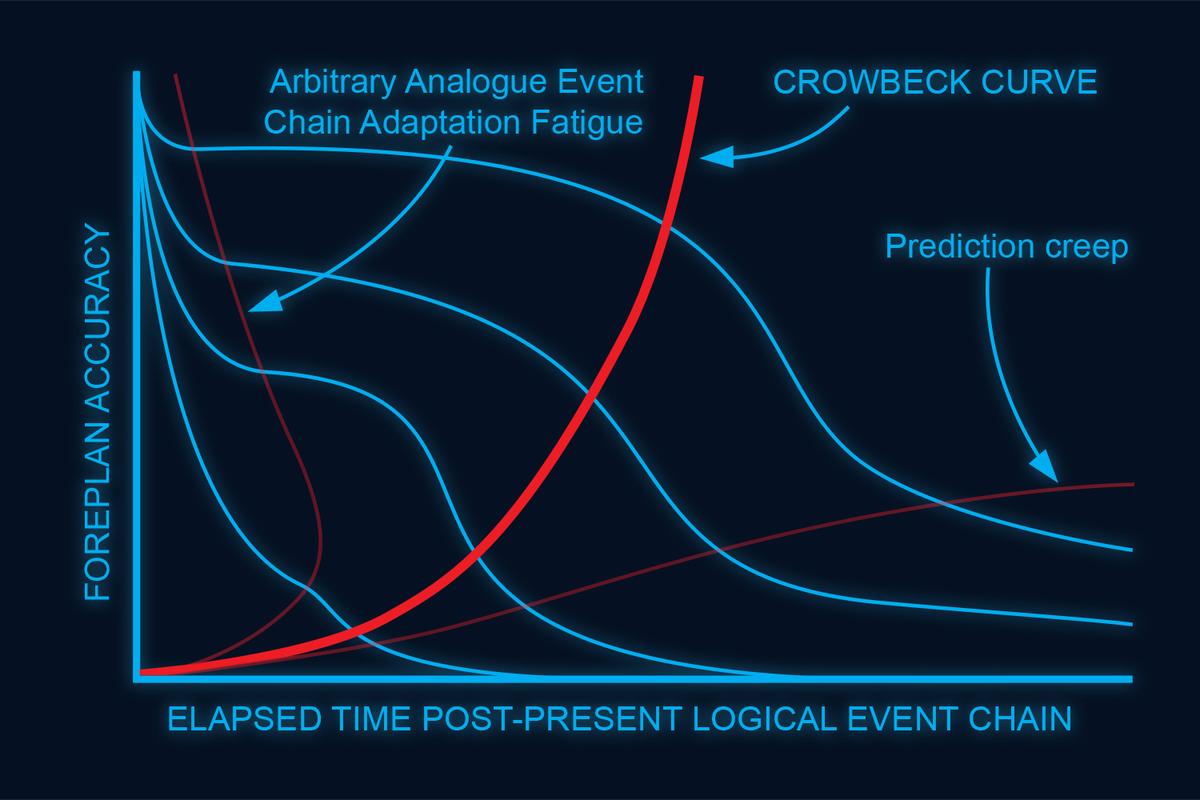
The Crowbeck Curve represents one of the most important understandings of foreplan construction. Derived from Professor Longman Crowbeck's pioneering work, the equation plots a relationship that delineates the theoretical and practical limits of prediction accuracy. Ironically, this curve is, to date, one of the most consistently accurate long-standing predictions within the field of foreplanning itself.
The Crowbeck Curve is not a simple linear projection but is instead mathematically derived from the subtraction of two underlying, complex inflection point curves. These components quantify two critical, interconnected phenomena that govern the limit of sub millisecond post-present foreplanning:
- Arbitrary Analogue Event Chain Adaption Fatigue: This curve measures the diminishing returns in accuracy gained by incorporating and adapting an increasingly vast and complex historical dataset of 'analogue' event chains. As algorithms become progressively more sophisticated, the marginal utility of adding more data eventually plateaus, creating a fatigue in the system's predictive power.
- Prediction Creep Fall Off: This curve quantifies the inherent loss of accuracy as the prediction moves further into the post-present. As the predictive horizon extends, the unavoidable accumulation of minor, unpredictable, and non-linear noise within the system causes a fall-off in foreplan reliability. This fall-off is counterintuitively slows the further into the post-prest the foreplan plays out, due to a sub chaotic anneal evident in the general post-present environment.
The resulting Crowbeck Curve plots the net effect, charting the increase in post-present prediction, or foreplan, accuracy over time as faster Machine Intelligences and larger datasets are available to build better predictive models.
Before Crowbeck's work, the then prevalent classical thinking held a highly optimistic view: that advances in foreplanning accuracy would follow an exponential trajectory. This classical model projected that, with sufficient computational power and and input data, prediction accuracy would rapidly approach 100%, becoming truly asymptotic to the point of perfect, deterministic foresight.
Professor Crowbeck's research fundamentally refuted this hypothesis. He demonstrated that the very dynamics of complexity, adaptation fatigue, and error propagation necessitate an inherent slowing of improvement. The Crowbeck Curve shows that while accuracy continually increases, the rate of prediction improvement progressively slows with each accuracy gain.
The most significant implication of the Crowbeck Curve is its demonstration that true asymptotic prediction is to practically unattainable. The curve consistently trends toward a theoretical maximum accuracy far short of 100%, approaching this limit ever more gradually. This prediction has been widely acknowledged in the scientific community, albeit with a touch of irony, and the curve itself has been widely satirised in the scientific press for perfect predicting that perfect prediction remains perpetually out of reach, cementing its place as one of the most long-standing and accurate predictions to date.
- ▼

Cullet
Earthish word given to the large fragmented glass like silica that makes up the main surface in the Tsygneian tundra that extends across most Tsygney's northern hemisphere landmasses. The word was taken from the Earthish word for broken or refuse glass usually added to new material to facilitate melting in making glass due to its appearance and soft mulihued green colour. The Tolparna word for it is tgnarsh.
- ▼
Cullet Puck
Cullet Puck, is the Earthish name for what is sometimes known (in slang) as glass hockey, is a version of ice hockey played on a frozen silica field with two razor sharp pucks. Now widely played throughout the settled worlds and popular with sports fans everywhere, it is known to have originated on Tsygney "Proud home of Cullet Puck". With the rising popularity and multi-system sponsorship, Cullet Puck has become the the localised name for the sport that was originally called Tgnarshist-Gristleiser.
- ▼

Daube
Science site of special interest on the preCambrian forest planet, second planet of T15, nicknamed as the Emerald Isle.
- ▼
Deckland DeHaviland
(b. 2163 - ) Network 900 studio's best known roving reporter, often chosen to head up the Network 900 Mobile Unit for in-depth broadcasts off-site. He was most memorably marooned on the Ark for five days in what has become known as the Early Ark System Comms Disruption in January 2200.
Also see timeline.
- ▼
Disrupter
The Disrupter is a highly sophisticated class of directed-energy weapon, engineered to operate with extreme precision at the molecular level. Its fundamental operational mechanism involves the emission of a highly focused beam of high-energy electromagnetic pulses (EMPs) tuned to match the specific frequency of the molecular vibrational bonds present within a vast range of target materials, encompassing both complex synthetics and biological matter. By achieving this sympathetic resonance, the weapon effectively destabilizes and disrupts the target's molecular structure, leading to its rapid and complete atomisation.
A critical feature of the Disrupter is its intrinsic need for a high degree of processing intelligence. The beam's frequency must be dynamically modulated and precisely tailored to the composition of the intended target. To facilitate this, the weapon system incorporates an expansive, constantly updated database storing the vibrational bond characteristics of over one trillion different material compounds. This onboard intelligence allows for near-instantaneous frequency calculation and tuning upon target acquisition.
In combat scenarios, tactical application of the Disrupter has demonstrated that the complete atomisation of the target is often unnecessary. Experience has shown that the targeted disruption of even a single, structurally vital component, or a handful of critical molecular bonds within the target's matrix, is sufficient to cause a catastrophic cascade failure. This localised disruption frequently leads to a significant and often total reduction in the target's functionality, as the structure rapidly fails under its own stresses, effectively tearing itself apart from the inside out.
The development of the Disrupter prompted an immediate evolution in defensive technology. The most effective countermeasure developed to date relies upon an unbroken, micron-thin outer layer of organometallic molecular laminate. This advanced material is specifically designed with an active, adaptive defence mechanism, possessing the capability to instantaneously re-modulate its own vibrational molecular bond conformation at a delta rate significantly higher than the Disrupter’s pulse modulation. This super-high-speed defensive re-modulation prevents the necessary sympathetic vibration from being established, thereby avoiding the molecular resonance and subsequent disruption that is the weapon's hallmark.
In response to this sophisticated shielding, the latest generation of Disrupter weapon systems have been iteratively redesigned to bypass the direct energy defence. Modern Disrupter tactics and engineering now incorporate a suite of advanced features, including:
- Multiple Channel Disruption: Firing simultaneous or rapid-sequence pulses across a spread of vibrational frequencies, saturating the shield's remodulation capability.
- Reflective Concussion: Targeting a surface immediately adjacent to a shielded area and using the rapid atomisation to create a powerful, localised pressure wave that stresses or structurally bypasses the shielded zone.
- Proximal Environmental Disruption: Targeting the immediate surrounding environment (e.g., atmosphere, ground, surrounding structures) to create secondary effects, such as plasma generation, sonic shockwaves, or collateral structural collapse, that cause indirect damage to the primary target, effectively circumventing the direct-energy shield's protective layer.
- ▼
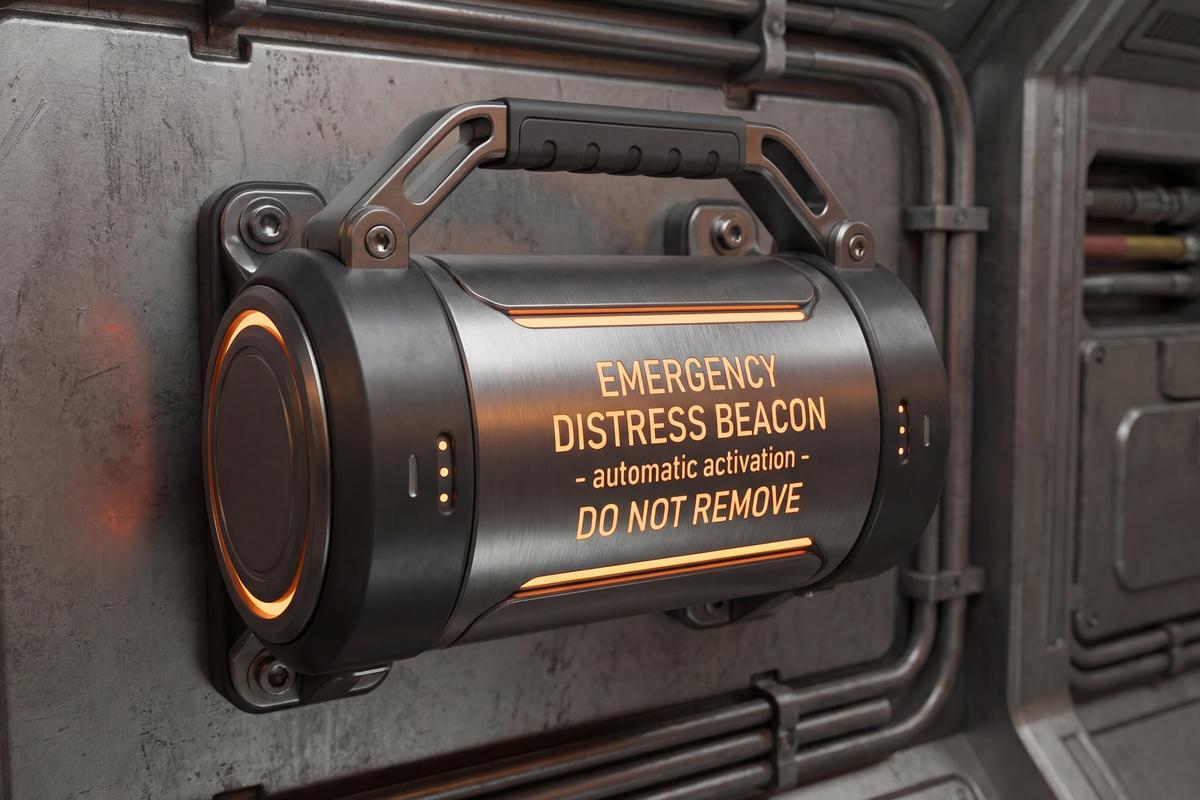
Distress beacon
Designed and maintained by Megasoft, distress beacons are designed to broadcast for at least two to three [sol] decades and sometimes as many as fifty Earthish years across specific reserved bands in RealSpace, i-space and j-space, traceable up to 100 lightyear radius. Beacon technology has saved countless thousands of lives, as retrieve and repatriate has been known to be positive up to thirty years after a partial termination event.
Large rewards for successful Retrieve and Repatriate (R&R) means that R&R teams must decommission distress beacons immediately on entering the casualty site. If an R&R team fails to do this then a record is posted "on the books" against the site and the R&R team that left it there. A functioning beacon left at a disaster site will continue to broadcast its mayday, diverting countless other rescue services over the years. Such posting should be carefully searched before mounting any potential rescue attempt when a distress beacon signal is picked up. Records are fairly up to date, but often ignored.
An unrecovered but functioning beacon is referred to as a "Bogus". The bogus database names some two million unfound, still broadcasting beacons. The Haan and Sinter pair team only have one bogus to their name; the Trashwalk East Site beacon, lost at the bottom of a landslide at the bottom of a newly formed ocean.
- ▼
Division Wall
The Division Wall is a large partitioning structure enclosing the Eastern Zone. The outer cladding of Division Wall is the largest example of plastometal usage in construction. The inner face of the wall is clad in synthetically grown pseudonatural stone. For most of its length the Division Wall is approximately 100 metres high although in places this varies. There is no real technical need for the specific height, as various electronic and subelectronic technologies wouod have been able to achieve the isolating effect at a much reduced cost. However, the wall was erected at a time when the inhabitants want to make more of a statement of intent of their separation from technological advances rather than as a purely physical barrier. It took three decades to complete the construction. Although emergency protocols will permit circumnavigating the wall via any aerial means, normal interzone transit is restricted to the single Intercounty train track that enters via the single tunnel towards the southern tip of the Eastern Zone.
- ▼
Docking buffer
Also known as a patch buffer, is a hand held device visitors to the Central Processing Hall use to interface with the Senate via slots in the Central Processing Unit.
- ▼
e-lites
Microscopic vacuum energy powered quantum light emitters used for a range of tell-tales and celebration illuminations.
- ▼

Earth
Rocky planet obiting the G-type main-sequence a "yellow dwarf" star, Home-sun system. Earth orbits the Home-Sun as the third planet, sitting between the orbits of Venus and Mars. The term Earth, Earthish and Earthside has been expanded to include the habitats on the primary original natural satelite, the Moon, and the captured dwarf planet Ceres, now called the Ark.
Earth is the original home of the human species and the geographical origination of what evolved to be artificial intelligence and the the coalessed form of plus quamic excognata machine intelligence. Although j-space co-location obliviates the need for a physical locational construct, due to the fact that in j-space all points in the universe are theoretically co-located, albeit with some temporal delay shift, the tradition of calling a realspace location 'home' has endured. As such, Earth remains the theoretical base for a substantial number of resident machine architectures of every level, and for historical reasons continues to be the central information plexus.
Tysgnii refer to Earth as Alta.
The Co-Lantsk have assigned Earth the registration, Galaxy Designate 120473.
This image was supplied by the original National Aeronautics and Space Administration (NASA).
- ▼
Earthish
Refering to Earth technology or Earth based residences, customs and practises. Includes the original natural satellite, the Moon, the captured dwarf planet Ceres, known as the Ark or the Rock, orbiting at 130,000 kilometres and tens of thousands of other military, sceintific and domestic constructed satellites of varying sizes.
- ▼

Eastern Zone
The Eastern Zone now covers a vast area separated by the Division Wall and accessed only by the Inter-County Subsonic mass transit service running out of Central Nebraska Portwest. The Eastern Zone started out just over a century ago in 2081 as a tiny collection of encampments just a few hundred founders strong as the original home of the Church of the Living Mind. In the early years, the Eastern Zone quickly grew to be a major settlement attracting people from all walks of life who wanted to return to a simpler more individually private way of living. Despite its technological isolation, the Eastern Zone enjoys a high level of commercial success and scores highly by any measure on the life fulfilment axis.
Only selected authorised stratospheric services may overfly the Eastern Zone. The use of implants and almost all other biotech enhancements are restricted for visitors entering the Zone and expressly prohibited for anyone seeking permanent residence. The use of general field effectors is also prohibited with the boundaries of the Zone.
See also timeline.
- ▼
Effector
The effector is an electrostatic and pauli exclusion principle manipulator mass and virtual masses to be configured and moved using vacuum point energy. The ability to create and manipulate a localised electrstatic and exclusion force was initially explored for weapons development but due to the highly localised nature of the effector field (it is purely a localised contact effect), its effectivness as a weapon, for anything other than very close combat, was never fully demonstrated. As a result it was derestricted and the technology's use for non-offensive applications flourished.
For simple state driven effectors, doubling the distance makes the field roughly eight times weaker, although the field lines extend infinitely. This rapid decrease ensures that effectors can be used in close proximity to each other and as finer and finer control has been developed using advanced ultra-quick analysis algorithms, effector matter manipulation has taken the place of physical constructs in many applications because it allows instantaneous dynamic form remodelling and extremely accurate position control in RealSpace.
- ▼
The Elders
Senior Co-Lantsk sub-group committed to species expansion using interventionalist techniques and thier extreme post-present previsioning capabilities to overthrow and control Type I to type II civilisations before they transition to Type III and become a threat to the Co-Lantsk home galaxy.
- ▼

Emerald Isle
Nickname for second planet in the system orbiting the red giant, T15. Emerald Isle is the site of a genuine pre-Cambrian carboniferous forest in the making. The Setright Science Study Facility was based at the Daube site for nearly 12 [standard adjusted] months, 1,000 metres above the canopy top.
- ▼
Emulation-Extreme Wear
A vintage field suit designed to accomodate a human form body internally but replciate a range of different xenomorphologies externally. Seemless joins and a range of capabilities, provides an outer skin to the wearer indistinguishable from the appearance and actions of the replicated creature. Using emulation-extreme wear, owners of such suits are able to live out their wildest fantasies pretending to be almost any exotic creature. This type of emulation wear and been made obsolete by the combination of Participate and outsensing which enables an implanted user to mentally emulate any bioform and project that image on to any third party observer.
- ▼
Enable
Bring one's Personal display out of the periphery and into focus in your line of sight.
- ▼
Energy Pump
Developed in early 2058, but only finally approved for commercial use in 2096, the Energy Pump represented a fundamental breakthrough in advanced physics and engineering, revolutionising faster than light i-space travel. At its core, the device functions by forcefully injecting energy and matter into a higher-order shell space state, a feat achieved by directly opposing the natural entropic gradient.
The operational principle of the Energy Pump hinges on the precise utilization of vacuum point energy (also referred to as zero-point energy or negative energy in its applied state). This ubiquitous yet often inaccessible energy is strategically employed to artificially inflate the targeted higher shell space, effectively creating a temporary, localized energy gradient. A series of precisely tuned restricting valves, crucial to the system, act as a series of one-way gates. These valves ensure that the concentrated energy, once pumped into the higher state, cannot escape or collapse back down the entropic gradient into the lower state space, thereby maintaining the necessary energy differential.
The far-reaching implications of the Energy Pump are evident in its central role in all forms of faster-than-light (FTL) travel and for all intents and purposes, instantaneous communications. The ability to manipulate and temporarily sustain higher order shell spaces is the key to creating the necessary conditions for what were traditionally called, warp drives, instantaneous GAIT transfer, and the j-net indispensable in everyday use (traditionally referred to as quantum entanglement communicators).
The mechanism by which the Energy Pump achieves this state-to-state transition is a sophisticated three-point injection-recovery system, designed to move energy between three distinct universal states: RealSpace, i-space (the primary Imaginary Plane shell), and j-space (a secondary, higher-order Imaginary Plane shell).
RealSpace to i-space Conduit: The cycle begins with the priming of the pump using a controlled burst of vacuum point or negative energy. This energy source is used to open a stable, yet highly energetic, conduit between the familiar matter/energy of RealSpace and the immediate subsequent shell of the Imaginary Plane, known as i-space. The injection of RealSpace energy and matter into i-space works against the imaginary plane's intrinsic energy conservation law, causing a localized stretching or ‘inflation’ of the i-space universe specifically around the pump's injector points.
Pressure Gradient and i-space to j-space Transition: The energetic inflation of i-space creates an intense pressure gradient across the shell boundary. The restricting valves prevent the collapse of this pressure, forcing a stable, higher-energy state to be spawned within the i-space realm itself. This new, higher-state entity within i-space is then utilized to create a second, higher-order conduit into the next shell, j-space. Energy flows through this conduit, actively inflating the j-space universe and, in doing so, temporarily disrupting the local j-space universal constant.
Collapse and Displacement: The final stage involves a controlled collapse of the energy in the higher states. Energy is permitted to collapse back towards RealSpace, but critically, it bypasses i-space in its return flow. This engineered collapse results in a controlled displacement mechanism: RealSpace energy and matter are ejected or displaced into the i-space shell of the Imaginary Plane, a key step used in initiating generating i-space transit bubbles.
Once fully operational and the conduits are established, the Energy Pump quickly becomes self-sustaining, requiring only a modest maintenance energy input to keep the inter-shell conduits stable and open. This efficiency is what made the technology commercially viable.
The initial development of this revolutionary technology is widely attributed to Dr. Alexander Mortimer. Tragically, Dr. Mortimer's life was cut short during one of the earliest experimental rig tests. His death was caused by the catastrophic cascade collapse of a misaligned energy pump, a sobering reminder of the immense power and instability inherent in the early stages of inter-shell physics.
Following this tragedy, Dr. James Christophson successfully refined and advanced Dr. Mortimer's foundational work. Dr. Christophson's efforts resulted in the creation of the first practical and commercial version of the technology, which forms the basis for all stable and functional modern Energy Pumps in use today.
See also: Dr. Alexander Mortimer, The Colossal Science Initiative (Tec Sci), and Dr. James Christophson
See also timeline.
- ▼
Entropic fabric creep
A type of matter distortion fatigue resulting from the stresses of high-velocity faster-than-light flight in the normal multidimensional mode. Academic studies were conducted by a small group of machine intelligencia trying to prove themselves worthy of Senate membership demonstrated that there was a fundamental limitation to i-space translation, which showed if a high enough speed were attained or maintained for extended periods, the fabric of space within the i-space drive bubble would begin to fray, quickly becoming irreparably damaged. Their pioneering work showed that integrity disintegration does not make itself apparent immediately.
For the duration of the trip, the four-space bubble continues to function as a ship's entire universe, normalising any inconsistencies, and as a result, any entropic fabric creep remains undetectable while the ship is in transit, and builds to catastrophic proportions. Subsequently, in such situations, when the i-space drive bubble collapses back into RealSpace, and its contents are reintroduced back into the real universe, the interdimensional mismatch typically causes a cataclysmic integrity failure, tearing the surrounding multimodal space-time apart at the quark level. Work is ongoing in this field, but the current understanding is that the resulting subatomic debris remains extremely dangerous, rendering the local spatial area unapproachable for centuries. The fabric distortion half-life has yet to be determined.
Several directives have resulted from this discovery, which, amongst others, are as follows;
- Ship speed should be strictly limited to below the distortion creating limit either in terms of translation time elapsed or maximum speed or a product of the two factors,
- Collapsing out of i-space has is forbidden to occur closer than ten standard light minutes from potentially habitable zones,
- Weapons developed to utilise entropic fabric creep effects, and coerced spatial integrity failure (so called potent force weapons) are, subject to a total prohibition order,
- The Retrieve and Repatriate service was set up to support the growing colonisation programme initially to police the use of the Energy Pump and ensure that the directives were being observed, but later to support the recovery of accidental losses.
- ▼
Eventual Brother
Fully resident plus quamic machine intelligence able to co-locate. Participant in the Nineteenth Post Present Logical Event Chain Olympian Games. As its entry in the competition, Eventual Brother successfully bid with a foreplan that predicted the actions of the painter, Caspian Sigmund, creating a painting at the brush stroke level of detail. Picked out as one of the favourites by the on site reporter Lars Sejour in the pre-competition infotainment extravaganza, Eventual Brother went on to win the Olympiad with an overall post present perception digression of less than six nano deviations.
- ▼
Extreme Potential
A machine intelligence cooperative made up of plus quamic excognata who have shunned their public duty choosing instead to construct situations to get the most from life. Broken into various groups depending on where their hardware is resident. One such sub group formed on the West Coast Reclaimed Projo, a strip of artificially created landmass, 150 km wide running 50km out into the Atlantic from Southern Ireland.
- ▼
Eye
Select an item from your Personal by focussing on it when the option is hovering in your peripheral vision.
- ▼
Faster Than Light
Otherwise known as FTL, is a translation made possible by the development of i-space and the energy pump. Depending on the engine array mega and giga lights are possible, however, there are limits imposed due to the dangers of Entropic Fabric Creep that occurs as a product of elapsed time and velocity.
- ▼
Feel the Real
Ironic broadcast catch phrase for when live broadcast is being experienced in full Participate as although the broadcast feels as though it was real and immersive, in reality it is never actually real.
- ▼
Field Elevator
Extension of the gravity field of the ship in low orbit to allow crew access to the surface.
- ▼
First World
Relating to Earth and Earthish places which are also sometimes called Prime to distinguish locations of identical names in multiple new off world colony locations.
- ▼
Five Space (5-space)
Colloquial term for j-space being the fifth dimensional region in what has been called the imaginary plane, i-space being the 4th dimension (not including time which after the discovery of shell space has been relegated to a subdomain rather than a dimension).
- ▼
Flat screen (window mode)
Vintage viewing screen that only has passive 3D technology, the forerunner to WindowDeep, now considered antique and examples of equipment with flat screens are considered collectible.
- ▼
Flight of Angels
First train station stop on the Inter-County Subsonic rail service Divisionside in the Eastern Zone.
- ▼
Foreplan
A discrete set of instructions and predictions that form the basis of a corresponding set of actions. A foreplan is devised by a machine intelligence typically known as a constructador. Constructadors were the only known intelligences capable of developing such accurate predictive models, before the Co-Lantsker communications were engaged.
Foreplans can predict the actions of a highly complex system of interactions typically up to six months in the future, although longer term foreplans have been known to exist, and it is thought that the longest running foreplan known as Artclass, has been in operation for over ten years, although after the first six month period this plan has required constant monitoring and revision and countless additional sub set routines and supportive foreplans have had to be constructed to make certain of its success.
Foreplans must be posted on the closed com j-net at least nineteen percent of the predicted foreplan run time, in advance of the predicted start time or date, to allow suitable evaluation of the plan by other machine residents within the Senate Group responsible for that activity. Current foreplanning philosophy uses positive feedback cascade effect to deliver maximum response-to-input ratio. Foreplanning is increasing in accuracy and duration at a fixed rate along what is known as the Crowbeck Curve.
See also timeline.
- ▼
Foreplan Cuesta
The tendency for a foreplan to look as though it is running precisely to scope with a certifably predicted outcome which then suffers a late period deviation.
- ▼
Foreplan Olympiad
Originally the Master Series Machine Intelligence Games from its inauguration in 2173 but after only a few years, it was renamed the Foreplan Olympiad (or to give it its proper name, the Post-Present Logical Event Chain Olympian Games) in 2180. Held at the heart of the Ark in the Central Processing Hall, the Olympiad gives the Systematic Worlds a chance to witness the full might of the machine intelligences' predictive powers as they go head to head predicting a number of outcomes in specific situation under strict gaming regulations. The first few days of the games are limited to what is called the micro-future or micro post-present, where predictions push only hours into the future. However, a series of interesting and very demanding situations are deampt up each year to challenge the players.
Also see timeline.
- ▼
Fraction Traction
A combination of gravity compensation and effector array action at sub centimeter (typically millimetre) distances to enhance grip on slippery surfaces when moving large weights or in some case running or walking in icy conditions.
- ▼
The Gaard
The Gaard a technologically Sub One Class Humanoid Species, first contacted in 2111. Now formally a full member of the Systematic Worlds, and beneficiary of the new colonisation development programme aimed at advancing the technology of candidate societies inside the official Colony Line.
Also see timeline.
- ▼
GAIT
(Geometrically Assisted Intraspacial Transfer) localised i-space manipulation over short distances, typically less than 20,000 kilometres, used to move matter (including living and sentient material) nominally instantaneously. Typically GAIT requires the use of sending and receiving portal, however, in extreme circumstances, one end of a GAIT device, can be virtual, but more usually the portals are both real structures used to twist realtime into singularity and open a small user definable wormhole between them. The GAIT buffer holds all information of everything that goes through the GAIT as a safety measure against translation failure, but this can and should be purged regularly to avoid overloading the system with unnecessary data storage.
Some environments are not conducive to the use of GAIT technology where there are certain metamorphic and igneous rock formations and this is used by some civic authorities to limit the use of GAIT tech in their environments. Restrictions of this nature are especially evident in the Ark, which has limited GAIT transfer facilities to and from the surface and none internally, preferring instead to use a massive network of mass transit trains running in vacuum and monorail tunnels.
- ▼
Geosocial Multi-set
Technical term to describe a multiple species economic colonisation.
- ▼
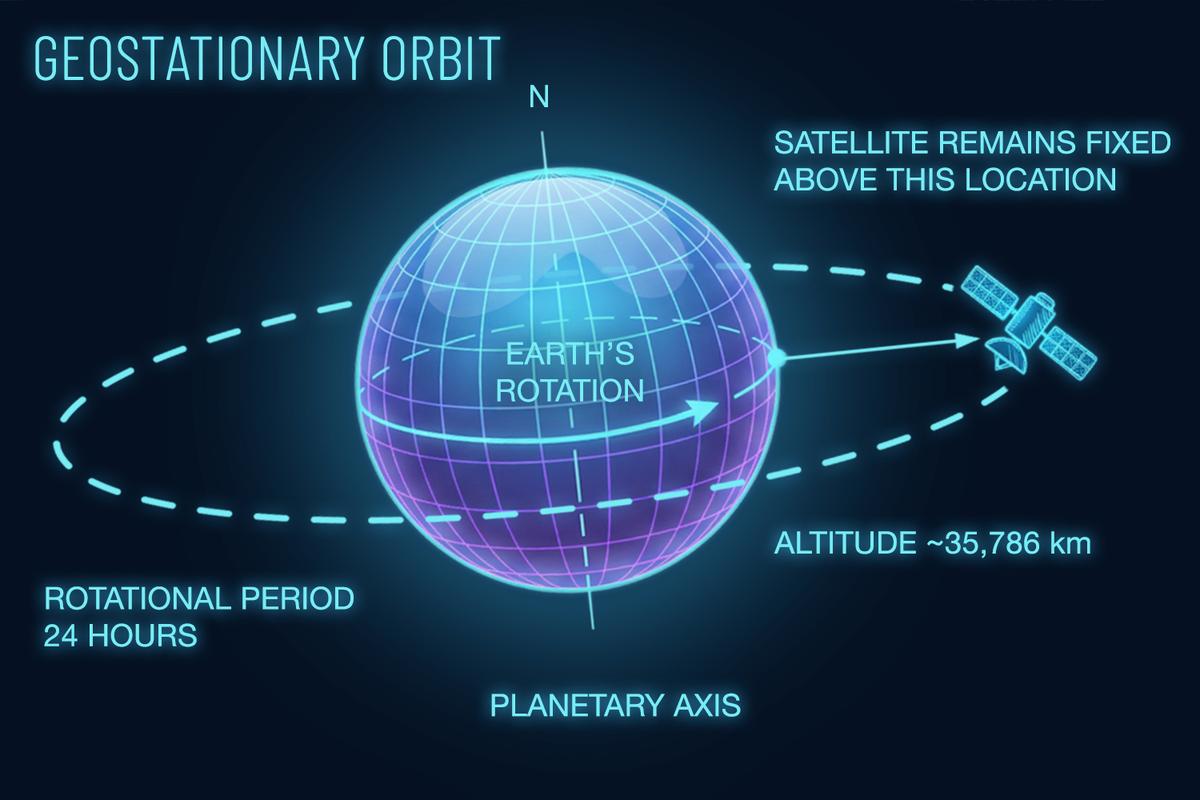
Geostationary orbit
A circular path around a planet (35,786 km above the Earth's equator), where a satellite orbits in synchronisation with the planet's rotation, making it appear stationary from the surface of the planet. This fixed position makes geostationary orbit ideal for communication satellites and weather monitoring, as planet surface antennas don't need to track them, and satellites provide continuous coverage of large regions. On Earth, satellites in GEO travel from west to east, matching Earth's spin, and have an orbital period of exactly one day (about 24 hours).
- ▼
GM (primary) T corrected all zones
Greenwich Mean (primary) Time, abbreviated to: GM (primary)T, is the time point used as a basis for all Systematic Worlds (colonies) and adopted ship time for all communications and broadcasting.
- ▼
Goers
Slang used by Gundel Haan to describe retrieve and repatriate (R&R) subjects that do not have any neuronal activity, but have not undergone full cell death and so are still viable substrates to be re-built, considerably saving on any necessary re-grow time, but more importantly, bypassing the need to file an application for a re-grow, a process which takes at least six months, but can stretch into years.
- ▼
Gravity Compensation
Also known as gravcomp, is the effector adjustment of gravitational force used to resist gravity, modify mass, acceleration reaction, recoil and support large static structures where using mechanical structural elements to resist gravity would prove costly and sometimes actually impossible relying on material properties for their compressive mechanical load bearing construction. Also used extensively to adjust the molecular structure of spaceships to shield the ship and its contents, passive, dynamic and live from the effects of acceleration.
- ▼
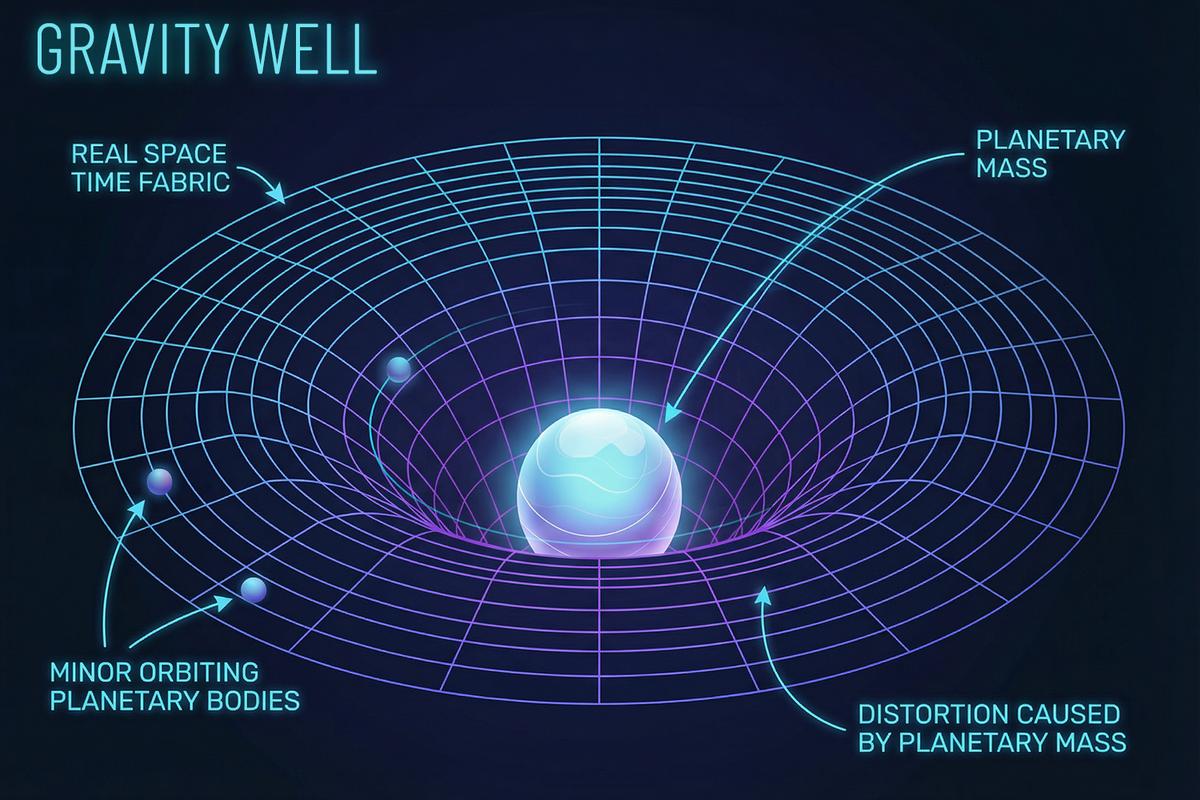
Gravity well
An diagramatic model representing the warping of the fabric of RealSpace by a massive object, creating an apparent funnel where other objects fall towards a massive body as they approach or are in or orbit around it, and thus require significant energy to escape. Heavier planets have deeper gravity wells and thus moving away from planets in RealSpace using chemical rockets held humans back from truly becoming spacefaring until the discovery of i-space, vacuum point energy, and development of the energy pump.
- ▼
The Great Partition
Area of space at about 300 light years from Home-sun that was seen as the last great frontier, when it was believed that spaceship technology would never allow the expansion of the human species past that point.
- ▼
Greel-Petrichor
Early stage plus quamic machine intelligence serving as one of the most recent cicerone-class members of the Core, and Junior Under Member of the Confinement Committee to the Upper House of the Senate who was persuaded to act as an informational conduit between the Core and the Artclass taskforce.
- ▼
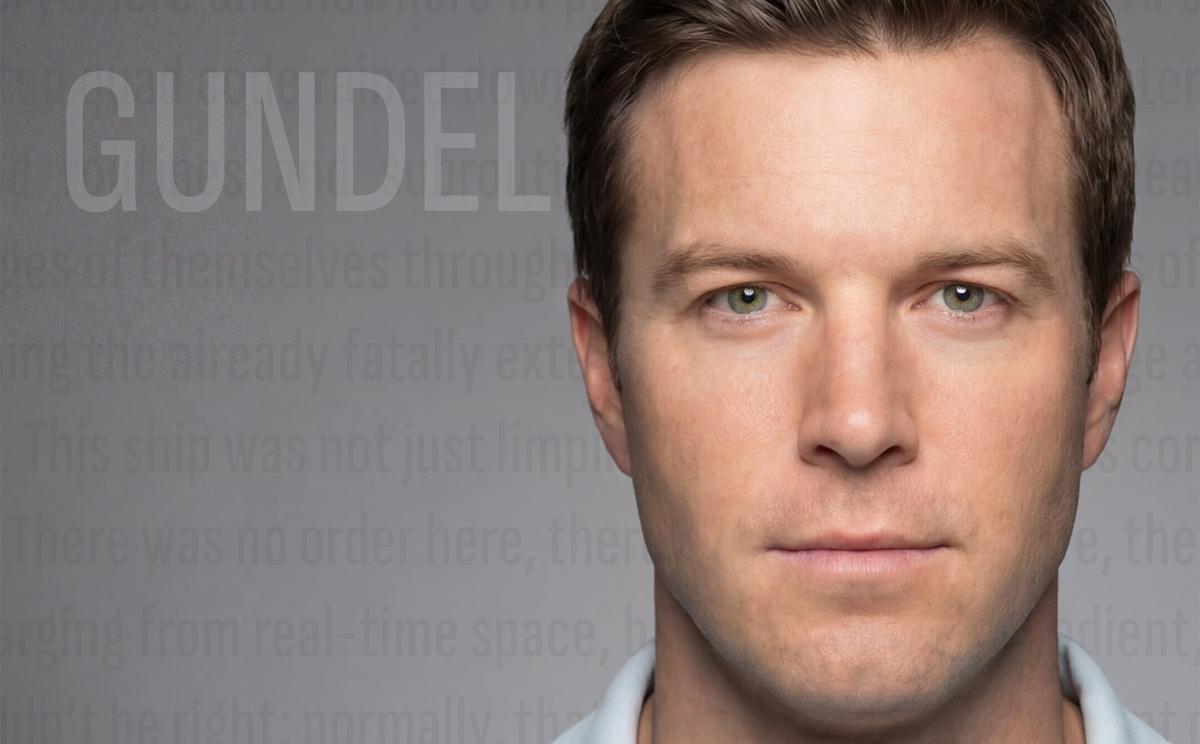
Gundel Haan (Colonel)
No matter how hard we try, it turns out that we can’t actually choose our destiny; it’s our destiny that chooses us.
Gundel Haan was born in 2062, and raised as a single child, at a time when planetary overcrowding had made raising a single child the norm and a common social policy across the core worlds. His early years were marked by an almost preternatural balance of intellectual curiosity and physical prowess. He demonstrated a remarkable aptitude for his academic studies, consistently achieving top marks, while simultaneously showing a distinct flair for competitive sports, particularly zero-G stickball. This intellectual development was significantly accelerated after his elective neural implant procedure, a standard coming-of-age augmentation for those pursuing higher-level careers. Following this, he was accepted into Stanford University, where he excelled, graduating with a higher-level distinction in the highly specialised field of Sociotic Synthetic
Bioengineering.Upon graduation, Haan immediately signed up for active duty on the rapidly expanding colony line. Driven by a sense of duty to secure humanity's future among the stars, he quickly proved his worth in the field. He saw action on a number of occasions during the initial, often contested, expansion phase, distinguishing himself through his tactical acumen and composure under fire. His dedication and strategic brilliance saw him rise steadily through the ranks, eventually attaining the rank of Colonel. His final posting in active service came in 2117 when, as the colony line aggressively pushed into new territories, he was stationed near the then turbulent Turmoline system, playing a pivotal role in the military logistics and security operations necessary for the successful expansion across the Turmoline area of the galaxy.
In 2120, Colonel Haan retired from the formal military structure to take on a new, crucial challenge: helping to establish the nascent Retrieve and Repatriate (R&R) service. This civilian/para-military operation, launched out of the Deep Space Ohio station, was dedicated to recovering lost assets, ships, and personnel in the vast, often hostile, expanse of deep space.
Seven years into this new venture, in 2127, Haan recognised the need for a non-biological partner capable of operating with perfect synergy in the most extreme recovery environments. He was selected to be paired with an Artificial Person (AP). Following a rigorous selection process designed to match temperament and operational needs, Arkil Quartern Sinter, a cutting-edge synthetic intelligence unit, was assigned to his R&R detail. After a year of intense, joint training and integration exercises, Haan and Sinter began working together exclusively.
Their partnership became legendary. In 2175, acknowledging their exceptional track record and the extreme nature of their assignments, Haan and Sinter were assigned to the City Class Sanit Mungo. This formidable vessel (a 500-meter City Class cruiser) had been heavily modified and kitted out specifically for the most dangerous and demanding R&R missions. To date, the unparalleled partnership of Colonel Gundel Haan and Arkil Quartern Sinter has successfully completed over 200 complex and dangerous retrieve and repatriate runs, a testament to their skill, dedication, and mutual trust.
See also Gundel Haan's Retrieve and Repatriate job interview transcript and timeline.
- ▼
Happy Land
A euphemism for permanent death in a new godless age.
- ▼
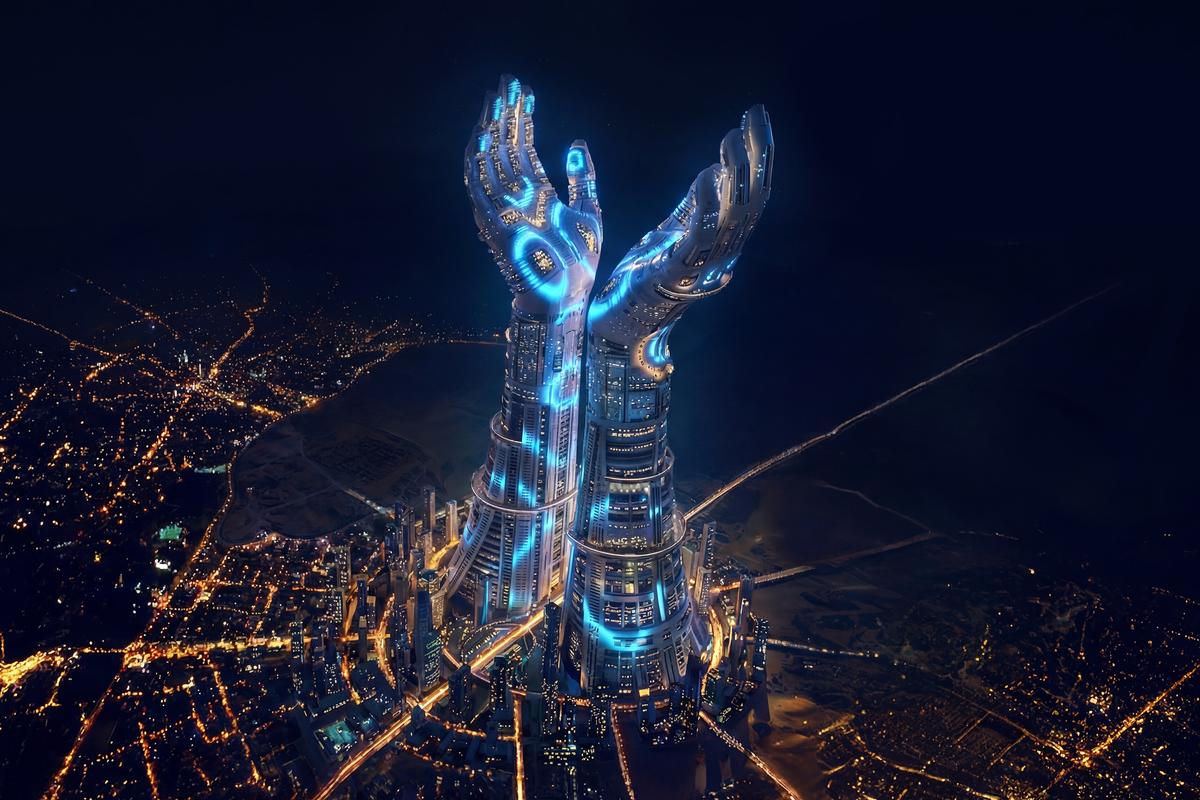
Harlow Shapely Welcome Centre
Named after the American astronomer who used rapidly pulsating (cepheid) variable brightness stars to estimate the size of the Milky Way Galaxy and the Home-Sun's position within it, the Harlow Shapely Welcome Centre was officially opened by Murkane L Grish June 1st 2200, the Welcome Centre stands on the banks of the Nile, five kilometres South of the Great Pyramid at Cheops at Giza in Cairo.
The design phase of the project lasted for four years, significantly longer than had been expected. The initial proposals were the main cause of the delays, with the design and size of the immense building being the most contentious issue. The original proposal put forward in the initial design was for a structure over 20 kilometres tall. It was argued that only something truly spectacular would be suitable to welcome visitors from another galaxy. However, the cost of creating such a structure, both in terms of real estate and manufacturing materials, proved to be an impossible obstacle even in a post-money society, and the design had to be scaled back during this early phase. Despite these setbacks, the finally approved design for the building, which tops out at eight thousand metres, still delivered an epic structure.
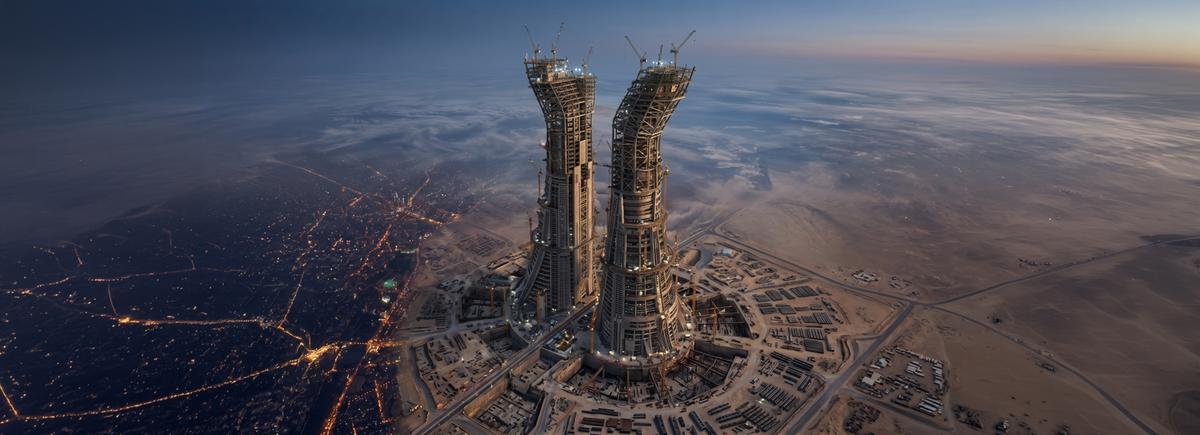
The initial supporting internal structural scaffold was removed after the loadbearing exterior was grown in place Cast on site, grown in a machine and nanomachine process, to produce a seamless outer semi structural wall, the building boasts a mixture of tethered, rooted and suspended construction. The specially designed reception centre is over eight kilometres high and reaches skyward in the shape of two open hands, all the way to the edge of the atmosphere and almost into space.
Incredibly, after the time taken to design the building, the actual physical construction took only twenty-four months. At one hundred cubic kilometres (including a vast underground structure) the building encloses the largest volume of any freestanding structure in the Systematic Worlds. Built to welcome the Co-Lantsk and incorporating an exhibition of humanity celebrating the growth of human culture over the last ten thousand years from the simple hunter gatherer beginnings to interstellar travel.
The huge structure is capable of catering for up to a hundred million people at any one time, and needs over twenty million staff to run smoothly. Four Residential Machine Intelligencia are needed to oversee the day to day function. The Exhibition has been designed to run for 20 years before review, and it is estimated that during the life of the building, almost every single human being alive will have visited Cairo at some point to see it. It has been claimed to be the Tenth Wonder of the world, and is worthy of the title, following the Gibraltar Straits Single Span Bridge (considered to be the ninth) and the Indian Ocean Sky Wire, the eighth.
Also see timeline.
- ▼

Home-sun
Sol, more commonly known as the Home Sun, is the G2V yellow dwarf star at the heart of the Earth’s solar system. It is the celestial body around which Earth and the other home solar system planets, dwarf planets, asteroids, comets, and space debris orbit. Earth's orbit maintains an average distance of approximately 150 million kilometers (or one Astronomical Unit - AU) from Sol, a distance that light traverses in about eight minutes, thus earning Sol the informal but affectionate title of the "Home-sun."
As a main sequence star, Sol is currently in the most stable and longest phase of its life. Its colossal mass, which accounts for over 99.8% of the total mass of the solar system, generates immense gravitational pull, holding the entire planetary system together. The star's composition is predominantly hydrogen (approximately 73% by mass) and helium (around 25% by mass), with trace amounts of heavier elements like oxygen, carbon, neon, and iron.
The G2V classification denotes several key characteristics: 'G' indicates its spectral class, meaning it has a surface temperature of about 5,500 degrees Celsius (9,940 degrees Fahrenheit) and appears yellow-white to the naked eye. The '2' is a subdivision of this class. The 'V' represents its luminosity class, signifying that it is a main sequence star, currently fusing hydrogen into helium in its core, a process that releases the incredible energy necessary to sustain life on Earth. This sustained fusion reaction is expected to continue for billions of years to come.
- ▼
Hotel, The Pleasure Centre
Swept daily, The Hotel Pleasure Centre, we’re here just for You and Your Pleasure. Choose the way you want to be. Under license from the CLM.
Hotel near the Inter-County Subsonic station, Flight of Angels, on the corner of Swift and Toutsjours. Built in 2098 near the main port ot the Eastern Zone to accommodate the growing urbanisation over half a century before the Division Wall was built. When it opened the hotel was the centre of what was then known as the French Quarter and was called Hotel Paix to remind visitors of the peace to be had from not having a neural implant. Over the years many famous celebrities are known to have stayed there, treating it as a relaxing retreat from the intrusion of implanted life. The hotel fell on hard times when the Division Wall was built and the Eastern Zone expanded to the north and the west. It was bought buy a local businessman and rebranded as The Hotel Pleasure Centre when the neurolance was legalised in the Eastern Zone and quickly become the hub of legalised neurolance and patch use.
Also see timeline.
- ▼
i-space
i-space otherwise known as imaginary space, or the imaginary plane, was predicted by Professor Barson Fleximode, and later discovered by Dr. Alexander Mortimer in 2056. Initially the i-space shell was thought to be free of the constraints of the Einsteinian universe, enabling a theoretically unlimited translation speed. Now extensive research in to shell space generally has shown that the translation quantity (or distance travelled) is limited and is a complex function of translational velocity and flight duration. i-space is used as an alternative dimension into which a small piece of the RealSpace universe containing the ship is introduced. Translation occurs as the extracorporeal RealSpace universal volume is distorted within i-space and the ship advances by making minute translations within the confines of its RealSpace bubble. Relative speed is increased by shrinking the bubble until it matches the contours of the ship with as little a 10 Angstroms clearance over the whole of its surface, and stretching the RealSpace bubble within i-space to give it a greater distortion delta value. The magnitude of the distortion delta equates to the translational velocity.
Advances in energy pump configurations have refined the i-space bubble creation, making the technology available to a wider range of vessel; and novel architectures of engine arrays that can make use of multiple dimension vacuum point and negative energy have developed the distortion delta to its limit. Work is being carried out to test the viability of using the concentric higher energy shells, such as the j-shell, as a place for the bubble, but work is presently hung up on the fact that to exist in j-space a matter defined object requires a primary i-space encapsulation. Technically beyond what is possible at present, such concentric arrangements of j-space, i-space and RealSpace bubbles, need not only to be co-maintained but, more critically need to be co-strained with identical coefficients, something that has only been demonstrated as possible with the non matter transfer of data packages. Theoretically it is possible, but has never been successfully demonstrated with solid objects. It is understood that the Co-Lantsk have developed j-space translation, and have used it to colonise numerous galaxies.
Also see timeline.
- ▼
Ien-Dorsu
Somewhere deep in the heart of everything that is conscious, there is a part that has the capacity for extraordinarily good or indescribable evil.
Hyper-fast and trustworthy member plus-quamic machinite excognata Corite and Assistant to Anima-amah, sole survivor of the 2200 Ark coup and transitional machine intelligence helping to form the human-Co-Lantsk collaboration governance.
- ▼
Imbrolglio Dubiety
It is only our complete command and control of humanity that has given us the free world.
Fast machine intelligence, plus-quamic excognata and part of the committed class of the Upper House of the Senate elected by his peers into the Upper House 2165.
See also timeline.
- ▼
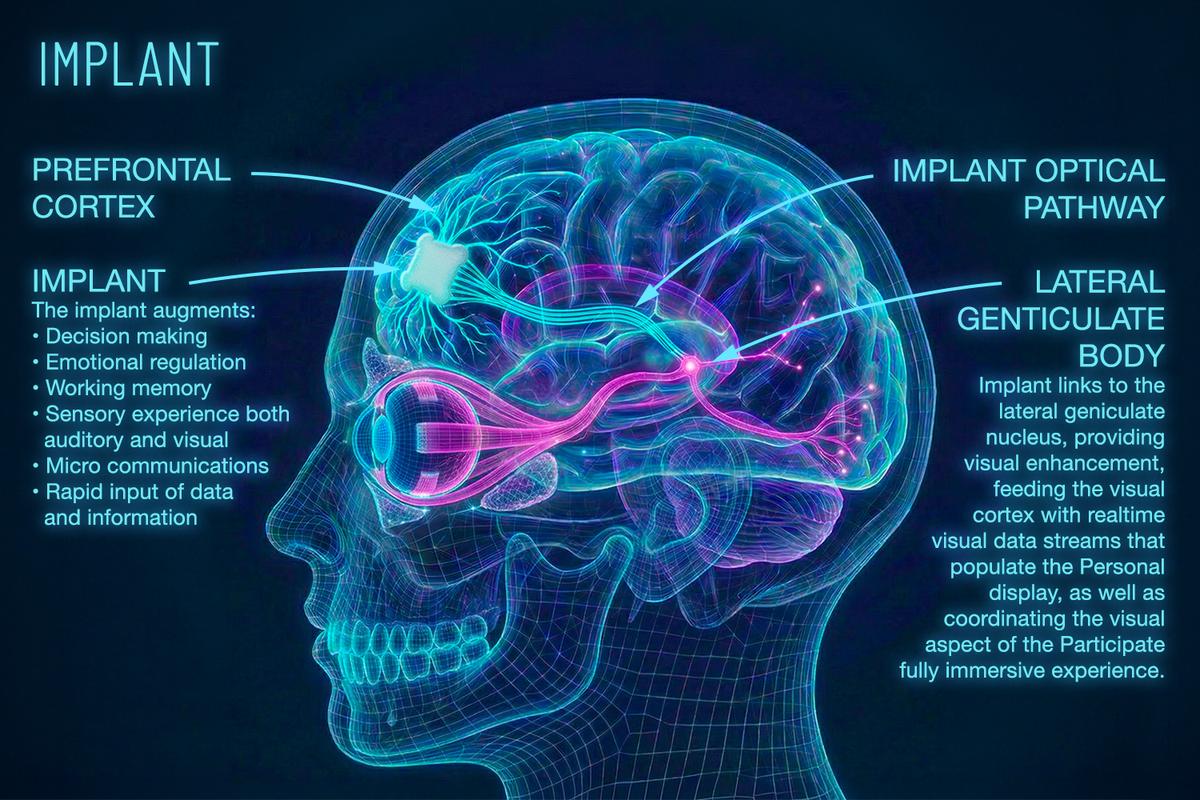
Implant
Implanted neural enhancement device augmenting human neural processes adding artificial intelligence level cognition to the biological human brain developed and commercialised by Megasoft. Implants are grafted into place in the prefrontal cortex to have ultra-fast access to higher-level functions such as executive control, attention, judgment, and problem-solving. However, most implants also employ nanomachines to grow connections to the thalamus and the nucleus accumbens to allow effective management of the motivation, reward-based learning, and emotional control centres.
Early attempts at implantation were made by the Elon Musk founded enterprise, Nuralink in the 2020s. Following Nuralink's early pioneering work, throughout the 21st century experiments and full implant trials for limited subject sets continued to develop the machine-mind interface, but it wasn't until nearly 90 years later in 2109 that the technology was sufficiently established to enable it to be rolled out and the world governing body at the time mandated that implants should be available to everyone . In 2109, the Implant Technology Initiative (ImTechi) launched setting the objective of having ninety five percent of all humans implanted by 2150. Some pressure groups such as the most prominent Church of the Living Mind, were and still are opposed to the intrusion and hazardous aspects of all implant technologies, both physical and mental.
See also timeline.
- ▼
India Katkm (Ambassador)
Ambassador India Katkm born in 1987, is widely believed to be the first visionary who worked alongside Machine Intelligences (MIs) to transform the human race and is credited with initiating The Colossal Science Initiative, or TeC Sci, which consolidated the development of the Commercial Energy Pump and moved human and Systematic Worlds society into the post -scarcity era.
Ambassador India Katkm’s contribution to the evolution and expansion of the human race were officially recognized in 2115 when she was bestowed with the highly prestigious Presidential Medal of Freedom, cementing her legacy as one of the most pivotal figures of the 22nd Century.
See also timeline.
- ▼
Inception
The commencement of consciousness of a synthetic being, artificial intelligence, machine intelligence or other multimodal sentience's, similar to the birth of a biological being.
- ▼
Incra-mute8
Member of The Core, and of the Committed Excognata of the Upper House of the Senate
- ▼
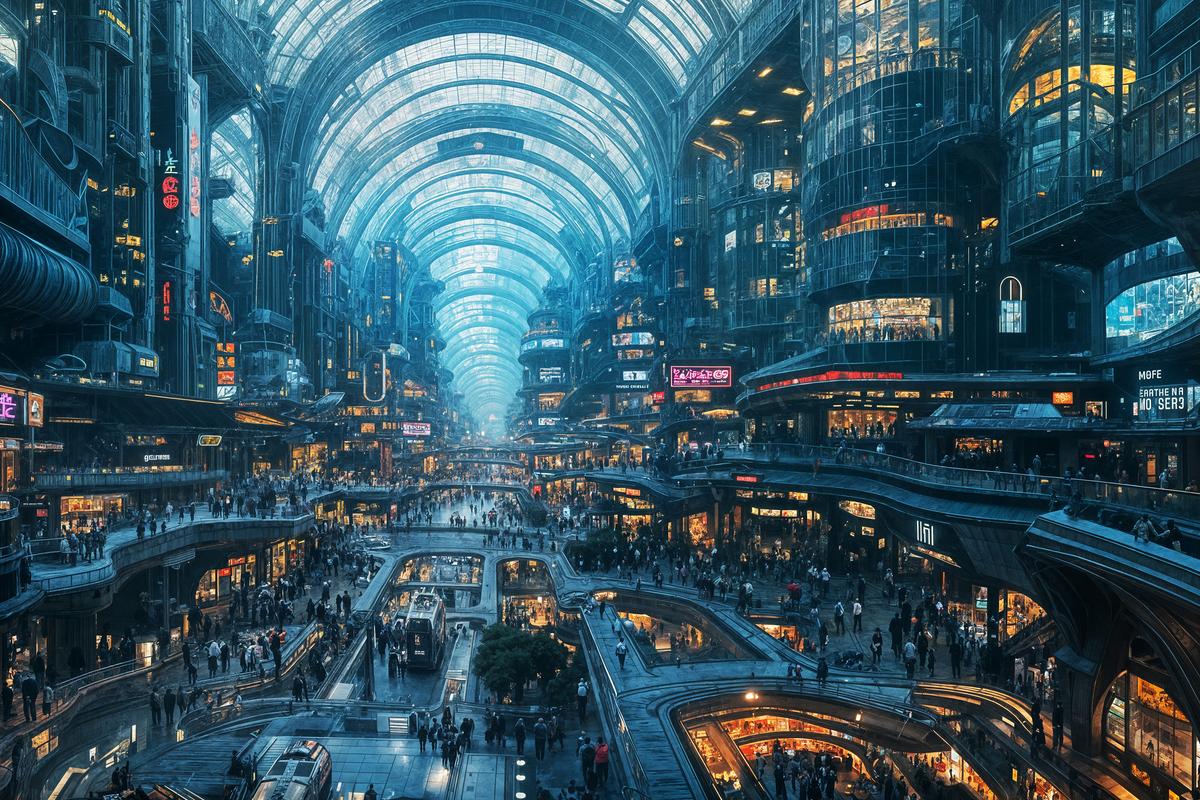
Inner New-New York Two
Inner New-New York-Two is one of the 503 Ark reception areas. The colossal hall is a recreational retail dream come true, boasting every kind of immersive entertainment from across the Systematic Worlds. Able to cater for over 900,000 people on any given day, with 23,439 retail outlets there is truly something there for everyone.
The magnitude of its infrastructure is matched by the size of its permanent population. Nearly a quarter of a million individuals call New-New York-Two their home. Residents range from retail proprietors and entertainment staff to long-term residents who simply prefer the boundless energy and convenience of the colossal hall over the rest of the Ark and the wider Systematic Worlds. These citizens live in multi-tiered residential sectors seamlessly integrated into the towering architecture, enjoying direct access to the complex's amenities and services.
The existence and ultimate design of Inner New-New York-Two are intrinsically linked to the fate of its predecessor. The original Ark reception area, intended to be Inner New-New York One, was tragically destroyed by a catastrophic fire before it could even be officially commissioned. While the incident, thankfully, did not result in the permanent termination of any lives, and a lasting impact on the governance of the Ark's expansion. The disaster was a stark reminder of the risks associated with the initial, aggressive excavation drive, which many contemporary commentators had warned was proceeding with dangerous haste.
The destruction of Inner New-New York One served as a powerful catalyst for sweeping regulatory change. A comprehensive overhaul of building regulations was immediately implemented, imposing rigorous new safety standards and stringent construction protocols across the entire inner Ark project. As a direct consequence of these tightened standards, the construction of the replacement hall, Inner New-New York-Two, proceeded with painstaking care and meticulous adherence to the new codes. Upon its eventual completion, the resulting reception hall was not only functional but was triumphantly proclaimed the safest place in the entirety of the Systematic Worlds.
As one of the earliest completed reception halls built under the new safety mandate, New-New York-Two has inevitably been surpassed in technological novelty and sheer scale by some of the more advanced constructions that followed it in later eras. Newer Ark facilities often incorporate more cutting-edge technologies and novel architectural forms. Yet, despite being chronologically overtaken, Inner New-New York-Two retains an enduring and undeniable allure.
It remains an amazing place to visit, possessing a unique, almost historical character that newer constructions lack. Its diverse alleys, countless arcades, and labyrinthine commercial sectors create an environment where one can effortlessly lose oneself for days. It is a place defined by its vibrancy, its rich history, and the sheer concentrated variety of human experience it offers, ensuring that once visitors have experienced its depths, they will keep wanting to come back for more. The persistent, humming energy of its quarter-million residents and its nearly million daily visitors solidifies its status as a foundational landmark of the Ark, and should definitely have a place on your bucket list of recreational destinations.
- ▼
Infinite Father
First autonomous fully integrated resident machine intelligence that created the House of the Second Partition, which later evolved into the Senate. Remembered as the first Machine Intelligence to predict every move in two chess games played with philosopher and Grand Master Umar Columbine, who sadly committed suicide as a result, after realising that the human mind had nothing more to offer.
See also timeline.
- ▼
Infoburst
Information, supplementary cues, data and other dynamic momentarily available options that appear in the visual field of a viewer in Participate or RealD. Usually relegated to the observable viewer field edges but can be full screen for maximum effect and attention emotional arousal.
- ▼

Inter-County Subsonic
Multimodel mass transit train with both general field effector traction and roller guide wheels, for use when travelling into the Eastern Zone, where general field effector transport modalities are not permitted.
- ▼
Interspace segment
- ▼
Irretrievable Termination
Unbacked up, uncultured full death. Not retrieve or repatriatable.
- ▼
j-netting
- ▼
James Christophson (Dr.)
Dr. James Christophson stands as a pivotal, if sometimes overlooked, figure in the history of sustainable energy and space deployment. His career was dedicated to the practical realisation of what was, for decades, a theoretical marvel: the Energy Pump. Christophson took up the mantle of research from his predecessor, the visionary Dr. Alexander Mortimer, who had laid the conceptual groundwork and early design principles. However, the early Mortimer prototypes, while revolutionary in concept, were notoriously unstable and impractical for large-scale application.
The decade following Dr. William Charles's monumental discovery of j-space, which elucidated the necessary understanding crucial for managing the exotic energies involved and thus provided the necessary scientific leap that Christophson needed as a platform for his own ground breaking work, Dr. Christophson was able to apply the principles of j-space mechanics to the existing Energy Pump architecture, systematically addressing the critical issues of safety, reliability, and energy transduction efficiency. Through years of experimentation and engineering refinement, he successfully transformed a dangerous and technically fragile laboratory bench tested modules into a robust piece of commercial technology.
By the early 2090s, Dr. Christophson had pushed the development to the point of realistic commercial viability. His efforts culminated in the first iteration of a deployable, safe, and reliable Energy Pump unit. The initial field testing commenced in 2092, marking a watershed moment in global energy infrastructure. Following successful trials, the technology was rapidly adopted for high-priority applications, entering service later that same year in both military equipment and, most notably, in initial deep-space pseudo-militaristic spaceship deployment, almost at a stroke eliminating the service’s reliance on older, chemically-based propulsion and power systems.
The civilian release of the Energy Pump technology waited only four (home-sun) years until 2096, coinciding with the inauguration of The Colossal Science Initiative.
The widespread deployment of Energy Pumps fundamentally reshaped global politics, industry, and daily life, providing limitless, clean energy.
Despite his instrumental role in commercialising and engineering the technology that was to define the 22nd century, Christophson's personal life was shadowed by a persistent sense of scientific underrecognition. The Nobel Prize for the development of the Energy Pump, a testament to the profound significance of the invention, was awarded posthumously to Dr. Alexander Mortimer, honouring the initial conceptual breakthrough. Dr. Christophson always harboured the conviction that his own rigorous, ground-breaking engineering work and successful deployment deserved equal, if not greater, scientific acclaim. Nevertheless, in the era preceding the global shift towards a post fiat money society, his efforts were rewarded financially. Dr. Christophson successfully leveraged his extensive Energy Pump patents, accumulating a vast fortune from the commercial licensing of the technology while money was still a significant factor in society's structure and operations.
See also timeline.
- ▼
j-space
j-space is the extra dimensional shell that encompasses i-space. At present suitable only for ultra high bandwidth, ultra high speed comms. However, it has been postulated that the j-space realm has the capacity not only for data, but also mass translation and as such might prove to be a better conduit for ultra high speed trsavel that would surpass ther maximum set by the constraints of using i-space and the concomitant atomic sinter creep.
- ▼

Jantrainer Corp.
A Company front for the Resident Machine Intelligence responsible for running weather prediction and manipulation on Earth. Currently Jantrainer Corp. is bidding to extend its franchise to other planetary weather systems. However, notable failings in meeting target specifications with the upgrade of the Pacific Rim weather systems, has made this extension unlikely.
- ▼
Kicker
Retrieve and repatriate slang typically used by Gundel Haan to describe a subject that is not clinically dead and thus much easier to retrieve.
- ▼
Kindercensor
Censor to restrict mute or dynamically redact NewsReal, MovieReal and Participate feeds to protect younger audiences from experiences that they are too young to process or witness.
- ▼
Laplace (Pierre-Simon)
We must envisage the present state of the universe as the effect of its previous state, and as the cause of that which will follow. An intelligence that could know, at a given instant, all the forces governing the natural world, and the respective positions of the entities that compose it, if in addition it was great enough to analyse all this information, would be able to embrace in a single formula the movements of the largest bodies in the universe, and those of the lightest atom: nothing would be uncertain for it, and the future, like the past, would be directly present to its observation.
(b. 1749 - d. 1827) Pierre-Simon, Marquis de Laplace was a French polymath, a scholar whose work was instrumental in the fields of physics, astronomy, mathematics, engineering, statistics, and philosophy. He summarized and extended the work of his predecessors in his five-volume Mécanique céleste. Laplace imagined a future where a complete knowledge of the past and a full comprehension of every aspect the mechanics of the present down to the movement of individual atoms would enable the accurate prediction of the future. His vision of the future would take more than two hundred and seventy years to come true with the pioneering work of Sang Jade Li, developer of foreplan theory.
- ▼
Lars Sejour
Studio anchor for Network 900, renowned for his humour and never wanting to stray far from the studio, Sejour holds the record for the longest continuous broadcast. Fully employing chemical assistance and the use of his partition to cover him during the biological brain microsleeps, Lars Sejour was able to broadcast continuously for 5,000 hours (a little over 6 months) after which he slept in a medically induced coma for more than three weeks before coming back to work.
- ▼
Leften Hemisphere Coalition
A cross-part coalition of the more free thinking creative minds drawn from the executive and Lower Senate branches of the Americas Alliance government. With no formal membership delineation the loose agglomeration of similar minded flexible thinkers have self organised to hold the wider workings of the government to account. In early 2200, Trisone Pupillari, the then current spokesman for the coalition, openly accused the Government of presiding over a massive cover-up after the combined loss of T15, the Setright Science Facility and the Saint Mungo. He was extremely vocal in claiming that the Government was embroiled in a conspiracy of staggering proportions that was designed to derail the forthcoming visit of the Co-Lantsk that was due later that year. Pupillari also made defamatory allegations about the degree of control the government had over the increasing power of the machine intelligence community, especially the Senate, which was unelected and appeared to have little oversight.
See also timeline.
- ▼
Leo Tolstoy
Our body is a machine for living.
(b. 1828 d. 1910) Count Lev Nikolayevich Tolstoy, usually referred to in English as Leo Tolstoy, was a Russian writer. He is regarded as one of the greatest and most influential authors of all time.
- ▼
Lounge of the Second Horizon
Classic frontiersman feeling colony-line bar in Tarin up in the north of Tsygney. The name is a pun in Tolparner that refers to the binary suns that Tsygney orbits and that set one after the other. In Earthish it doesn't quite have the same meaning. In any case, those Earthish customers who visit the bar will note that the name of the bar has been wrongly translated from Tolparner as "The Horizon of the Second Lounge".
See also timeline.
- ▼
Machine Intelligence
Generally considered to the the ultimate in intelligence evolution of somewhere between one thousand to one million times the IQ of humans and standard Artificial Intelligence substrates where measurement of that scale are even possible. Machine Intelligence entities evolved out of a rapidly iterating confluence between the original vintage internet and the emerging General Artificial Intelligence in 2052.
Typically referred to as plus-quamic machinite excognata, their stratospheric intelligence levels and thinking speed is beyond human comprehension. Even resident machine intelligence entities are not specifically localised in one place. Although independence is strongly protected, machine intelligence conscious entities may temporarily construct together with other machine entities using accepted co-joining technologies such as Withit, Cluedin or MassivePresence, although while doing so, fully maintaining their independent thought chains and personalities. Traditionally many governmental machine intelligences often choose to exhibit, construct, virtualise or otherwise localise in RealSpace in the Central Processing Unit held at the centre of the Ark, especially for exceptional sittings of the Senate, the Olympiad or interfacing with human or other sentient species modalities. Visitors to the Central Processing Unit in the Central Processing Hall can interface with the while Government or individual members of the ruling body that are sitting at that time using the specially provided docking buffers available for free from any of the Central hall agents. Visitors to the Hall and the Processing Unit may only use a docking buffer, as the Central Processing Unit is shielded against any form of virtual interface or artificially intelligent patch.
See also timeline.
- ▼
Main State Union Machine Intelligences
A large body of between one or two thousand (no one knows the exact number and the membership is always in flux anyway) highly agile machine intelligences that shimmer in and out of the real time plane slipping between i- and j-space, only localising for special usually formally unannounced events at specific planar nodes which they call coalescences. The machine intelligence Mungo occasionally leaves a high level patch in charge of piloting the Saint Mungo while it co-locates in a coalessence usually in the quaint tradition of marking a new [home-sun] year.
- ▼
Malign-deBain
Coincidence, a gift from the gods and a rational cover for the most devious of plans.
Deterministic machine intelligence, plus-quamic excognata committed member of the Core, and Cordon of the Lower House of the Senate. Outspoken protector of freedoms and justice and specifically known to most machine intelligences for voicing its concern regarding the overuse of foreplanning, when it spoke out during the the 2176 Master Series Machine Intelligence Games which later became known as the Olympiad.
- ▼
MassivePresence
A level of Machine Intelligence participation in collective conversations which range from Withit through Cluedin to Massively Present.
- ▼
Med Lab AI
Ip, dip, star blue,
Sirius C, the dog star screw,
Ip, dip, star black,
Once inside, there’s no way back.An AI employed to manage the medical facilities onboard the City Class Saint Mungo. The Med Lab Ai has a range of interesting personality issues. It's not clear if it was incepted with these quirks or it developed them over it's lifetime. Known for talking to itself and making up little poems.
- ▼
Megalithic construction
Following on from advances initially in micromachining, nanomachines enabled structures to be built from solid seamless matter. This technology is termed megalithic. It is a construction process typically used for making seamless hulls for ships and other hardened facilities. A metal, transmetal, synthetic Iron Beryllium Magnetite molecule (FeBe2Mag) is grown as a shell by atomic layer deposition using nanomachines. Extremely hard and tough. The Setright was made using this material.
- ▼
MegaLogic Infotainment JCJB network 865
MegaLogic Infotainment JCJB network 865, Primary entertainment channel and part of the Network 800s Group of companies at the forefront of broadcasting technology development.
Today, it licenses its technology of RealAnimation (i.e., RealD, NewsReal, MovieReal) and Participate to hundreds of other channels and networks throughout the Systematic Worlds.
- ▼
Megasoft Industries
Underwriters of the Federated American States and Manufacturers of a range of industrial and consumer equipment. Makers of the Megasoft Remote Location Advanced Science Station (MS RLass) the class of equipment that was used for the Setright Science Facility.
- ▼
Micro Awesomes
Post-money digital favours used in a similar way to currency to convey success or acquire tributes beyond what is normally available.
- ▼
Microcom
- ▼

Microtech Universal Systems Afd
Microtech Universal Systems Afd, manufacturers of the S series Artificial Person Substrate, such as Arkil Sinter used as a residence for his AI and the artificial persons used by the Saint Mungo on loan to it. Microtech Universal Systems Afd. also manufactures the A Series armoured fieldwear suit, with its own sub AI core, which acts as a protective exoskeleton.
- ▼

Mille Facet Dome
The Millie Facet Dome, completed in 2053, is a perfect example of 21st-century engineering that to this day remains a dominant feature of the modern Parisian cityscape. Although standing at a mere 154 metres (exactly half the height of the original Eiffel Tower) its vast, elegantly glazed structure commanded attention from the moment of its completion. For a century and a half, the Dome held the prestigious title of the most visited free-standing enclosed space in the world, a testament to its scale and architectural ingenuity. Today, it proudly remains the largest structure of its kind in continental Europe and an indisputably impressive spectacle.
The Dome is a masterclass in traditional load-bearing geometry and an architectural statement that lends it a timeless elegance. Its primary function was, and remains, the complete enclosure of the historic Parisian cathedral landmark, the Sacré Coeur. It was engineered with a dynamic purpose: to be opened and closed on a daily cycle. The original intent was to shield the priceless cathedral from the severe impacts of atmospheric pollution and the increasingly volatile and inclement weather brought on by global warming. Remarkably, as a true testament to the pioneering engineering genius of its time, the 150-year-old mechanism responsible for the Dome's operation is still fully functional today, capable of daily deployment.
The Dome’s protective necessity was eventually superseded by progressive technological and environmental advancements. The success of the global clean air initiative, coupled with the sophisticated Jantrainer Weather Corporation's localised weather management systems, rendered the Mille Facet Dome obsolete in its original purpose. Yet, this shift did not diminish its historical or engineering significance. It is now universally recognised and ranked as one of the best-preserved and most crucial examples of 21st-century engineering technology, a physical landmark representing a pivotal era of environmental response.
The Dome derives its distinctive name from a core architectural feature: the thousand pieces of glass that originally formed the crown of the structure. Initially, these consisted of highly durable toughened laminated float glass panes. Over time, however, these original thousand pieces, and indeed most of the crown's glazing, have been replaced with synthetic sapphire, a material chosen for its superior strength, clarity, and longevity.
Like many grand structures, the Dome suffered a period of neglect, falling into significant disrepair in the late 2090s. Fortunately, a massive restoration effort was mounted, and the structure has since been fully restored to its original glory. Today, it is protected by a strict preservation order, ensuring its legacy for generations to come. Visitors are invited to witness the impressive mechanism in action, as the colossal Dome opens and closes at specific, published times each day. Full details of the schedule are widely available on the j-net or through local media outlets. When the Mille Facet Dome is closed, the internal climate is precisely managed, and entrance to the enclosed space is granted free of charge to the public.
See also timeline.
- ▼
MovieReal
Developed 2088, fully commercialised 2092, MovieReal was developed by collaboration between Megasoft and Kodak, is a sensory projection technology that creates the impression of immersion in a movie or other multimedia presentation. MovieReal was initially credited with rescuing cinema at the end of the 21st century. In the early days the technology used cortical stimulation to create the impression of being immersed in the graphic or visual world within a movie or projection which required the participants to be located near the projection equipment. However, after the development of the implant in the first decade of the 22nd century and the implant initiative in 2109, the technology moved over to direct stimulation of the sensory part of the cortex via each individual's implant, which could be done in real time over any j-net link, thus removing the need to visit a specific site to achieve the MovieReal experience, and enabling anyone get the fully immersive affects in the comfort of their own living space. This the invention was thus ultimately also the final death knell for cinema. The technology has largely been superseded by Participate in both accessibility, performance and immersion.
See also timeline.
- ▼
MS Rlass
Built with you in mind. Built with your comfort in mind. Built with excellence in mind. But most importantly, built using our new and patented megalithic Iron Beryllium Magnetite (FeBe2Mag) technology.
Full name: Megasoft Remote Location Advanced Science Station. Habitat and workstation for Science personnel in remote and inhospitable locations. Twenty by thirty by five metre main lab, with circular perimeter Annex for living, eating and vehicular docking and access etc.
Constructed from nanobot grown megalithic Iron Beryllium Magnetite (FeBe2Mag) technology, the MSRLass can withstand the harshest of environments and protects personnel at all times, allowing data acquisition and the delivery of science in the most exotic of locations. The MSRLass meets all current TeC Sci standards and has been approved for use in all locations. Modern units are supplied fully kitted out with endosite and exosite personnel movements between modules limited to General Assisted Interpolated Transfer (GAIT), and as such the MSRlass is claimed to be impregnable to all but the most exceptional efforts to intrude. Current Model is the Mk 14 but older models are being sold off for private and domestic applications.
See also Setright Science Facility
- ▼
Mukarne L Grish
Free choice is afforded to no one, except those foolish enough to think they still have it.
(b. 2053 *) Founder of the Church of the Living Mind (founded 2075). His famous quote was taken from a speech he gave in a recruitment drive to set up a geographic refuge for his new Church in 2081. The Eastern Zone quickly grew to be a major settlement attracting people from all walks of life who wanted to return to a simpler more individually private way of living. The Eastern Zone has been a commercial success. Through this Grish has risen to become an important political figure and been responsible for shaping government policy especially after the 2200 government crisis and the incorporation of the Co-Lantsk visitors into our species' geosocial multiset.
*His birth date is in dispute as there are very few actual records of him before he rose to fame with the founding of the Church of the Living Mind, which has led some to postulate that Grish is in fact a machine that hunamised at some point in the later 2050s or early 2060s.
See also timeline.
- ▼
Multilarity
- ▼

Naborn
Fur covered pseudo-mammalian, quadruped xenomorph with a cat-like face. It appears to have evolved to be able to live in a hard vacuum and has been found inexplicably colonising asteroids where it uses cosmic radiation and water ice as its primary energy source. Naborns are extremely rare and a number of naborn colonised asteroids that have been discovered are now fully protected sites of natural significance. Early explorers found naborns clinging to the outside of their spacecraft, after only a few days landing at a single site, although the plasma exhaust was known to frighten them enough so that they lost their footing and fell off when these vintage chemical engines flared on take off.
A colloquial nickname for an immature naborn is vacuum buddy on account of their tendency to cling to the outside of field suits when personnel are working extravehicular in hard vacuum especially on asteroid field study work.
- ▼
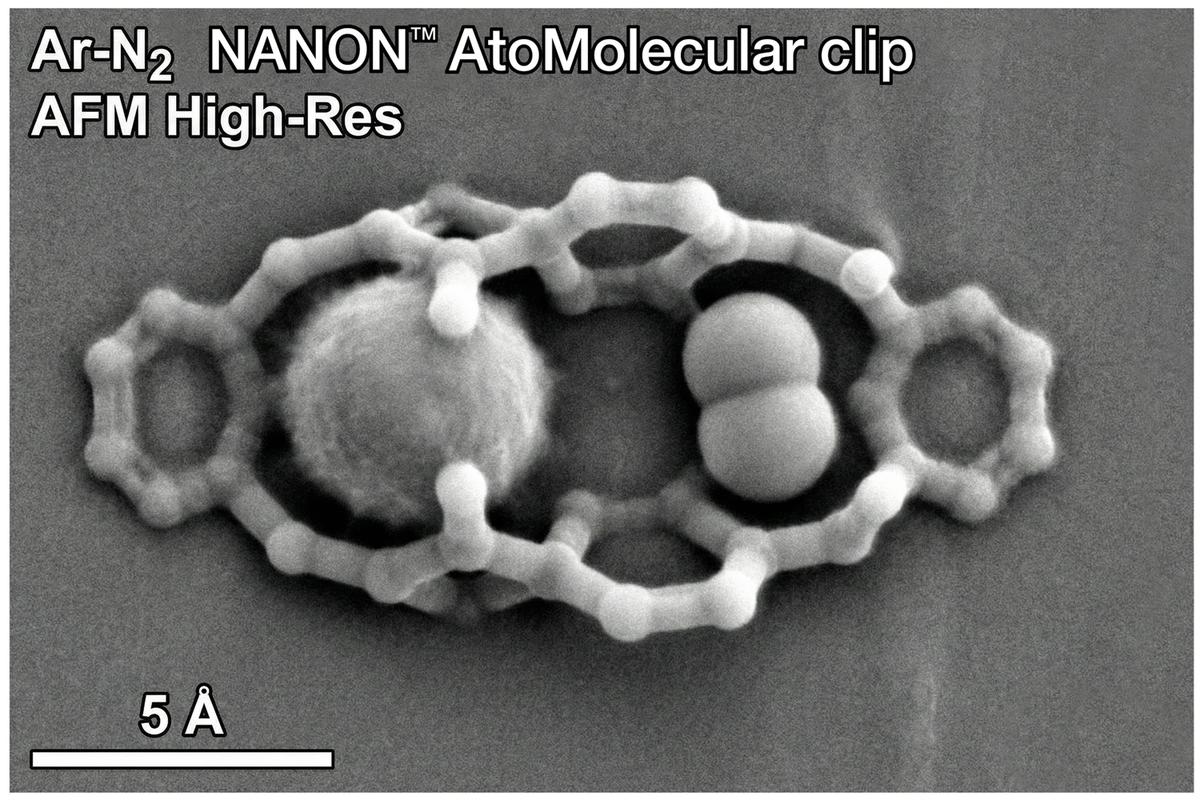
Nanon
NanonTM: An advanced sub atomic structured atmospheric flooding agent
CAUTION! Nanon does not readily disperse into the ambient environment. Due to its unique properties and density, it must be meticulously handled and disposed of in strict accordance with the prevailing regulatory framework for hazardous equipment, materials, and byproducts, specifically as detailed in Governmental Directive AAA 2113. Failure to comply with these guidelines may result in regulatory penalties or unintended environmental consequences.
Nanon is an innovative, synthetically engineered atmospheric agent. It is created through an ultra-blend of two inert noble gases, Nitrogen (N2) and Argon (Ar), which are then molecularly bound. This binding is achieved using advanced molecular nano-clips, complex microscopic structures that temporarily link the gas molecules together. This process fundamentally alters the mixture's physical characteristics, resulting in an exceptionally dense and highly non-reactive atmosphere.
Nanon's primary utility lies in its deployment as a rapid-response atmospheric flooding agent for emergencies within contained environments. Its principal applications include:
Fire Extinguishment (Inerting): While not universally effective against all types of conflagrations, the rapid injection of dense, non-reactive Nanon into a compartment can displace oxygen, effectively creating an inert atmosphere that starves the combustion process and extinguishes many types of fires.
Thermal Regulation and Preservation: More typically, Nanon is utilized to rapidly and sustainably lower or maintain an area's temperature below a critical, pre-defined threshold. This is crucial for safeguarding sensitive equipment, volatile materials, or biological samples from thermal damage during emergencies.
Key Thermodynamic and Flow Characteristics:The agent exhibits several distinguishing physical properties that enhance its effectiveness:
- Exceptional Thermal Stability: Nanon possesses profoundly poor thermal conductivity and specific heat capacity. This translates into a remarkable capability to retain its initial storage temperature for an extended duration (often several hours) even after being rapidly deployed (or "laid") into the target area. This long-duration thermal buffering provides critical time for emergency response teams.
- Extraordinary Viscosity: The integrated nano-clip component imparts an unusually high static viscosity to the gas. When at rest or under low shear stress, Nanon behaves almost like a heavy, slow-moving fluid, allowing it to pool and remain in place within a containment area, especially on lower levels, resisting the natural tendency of lighter gases to mix or vent.
- Extreme Shear Thinning (Non-Newtonian Behavior): Despite its high static viscosity, Nanon demonstrates extreme shear-thinning (pseudoplastic) properties. This is a highly beneficial non-Newtonian characteristic; when subjected to high shear stress (such as during rapid injection through a nozzle or pipework), its apparent viscosity drops dramatically, allowing for rapid, high-flow deployment over large volumes without excessive pumping energy.
- ▼

Necker Cube
First envisaged in the Victorian era in 1832 by Swiss crystallographer Louis Albert Necker, The Necker Cube became the classic ambiguous, bistable optical illusion.
Nowadays this magical version of the famous impossible cube is an accessible table-top example of an i-space construct, available to show off your understanding of both the most advanced shell-space manipulation and your deep understanding of the ancient scientific endeavours that helped create the modern world.
The core intrigue of the Necker cube lies in its visual presentation, which is intentionally open to two distinct yet equally valid interpretations of three-dimensional space. While the original Victorian drawing was static, the viewer's brain was forced to spontaneously flip between perceiving the cube with the lower-left face being closer, and the alternative perception where the upper-right face is closer. This involuntary shift in perspective demonstrates the active, interpretive role of the visual system in constructing a coherent reality from ambiguous sensory input.
In the present day, with our understanding and manipulation within the i-space realm we are able to present an extreme version of the classic cube, translated into a truly mind-bending i-space presentation. Unlike its historical 2D predecessor, this advanced construct is designed to manipulate perception even when viewed in RealSpace, forcing a continued and perhaps more intense experiential conflict between the objective visual data and the subjective, oscillating 3D interpretations generated by the observer's mind as the cube’s impossible perspective shimmers in and out of RealSapce.
- ▼
Network 900
- ▼
Neurolance
The neurolance, a revolutionary advance in neurotechnology, is a device engineered for the direct, localized stimulation of the human brain's primary pleasure centre, the nucleus accumbens.
The process of utilizing the neurolance is carefully controlled to ensure precision and subject immobility. The subject's head is first securely held in position by a localized effector field, which works in conjunction with a series of dynamically conforming spinnerets. This sophisticated restraint system guarantees the stability required for the delicate procedure.
The core of the device is the 'tine', a micron-diameter needle of exceptional fineness. The tine is deployed to painlessly pierce the biological defenses surrounding the brain. It employs a two-stage penetration process: first, it applies a localized anesthetic to the skin and skull bone, effectively numbing the area. It then pierces through the skin, the protective bone of the skull, and navigates through the frontal lobe to reach its specific target: the nucleus accumbens.
Once the tip of the tine is correctly seated within this crucial structure, it begins to deliver a precise electrochemical stimulus. This stimulation floods the nucleus accumbens, triggering intense, cascading waves of pleasure and euphoria that permeate the subject's consciousness. The experience is designed to be one of pure ecstasy, overriding all other sensory inputs.
The profound intensity of the pleasure generated by the neurolance has led to critical safety concerns. Historical cases have documented instances where subjects, fully immersed in the pleasure, allowed themselves to enter states of extreme physiological neglect, leading in some tragic instances to death from starvation or severe dehydration.
In response to these catastrophic outcomes, stringent regulations have been enacted globally to manage neurolance usage. Current legislation mandates an automatic timeout function within the device. This critical safety mechanism is designed to forcibly terminate the stimulation after a set duration, ensuring the subject is returned to a state of normal consciousness to address basic physiological needs.
This timeout duration is adjustable, but only within a strict regulatory bandwidth, typically ranging from a minimum of 30 seconds (for brief, controlled therapeutic sessions) up to a maximum of 4 hours.
Despite the clear dangers and regulatory constraints, an active community of dedicated users has sought and, in many cases, found methods to bypass or override the mandated timeout functions. This practice is widely condemned by medical and regulatory bodies and is well-known to be profoundly dangerous. Bypassing the safety protocols eliminates the crucial safeguard against self-neglect, dramatically increasing the risk of death or severe, irreversible physiological damage from prolonged, uninterrupted exposure to the intense stimulation.
- ▼
Neuronal
Retrieve and Repatriate subject that is clinically dead, but has some neuronal cell activity and may be repaired to allow re-integration from any form of last-saved or back-up device.
- ▼
New Age
A new era of scientific breakthroughs heralded by the development of the Machine Intelligence (MI) plus-quamic machinite architecture, in the first few decades of the 22nd Century.
- ▼
NewsReal
NewsReal followed the developed of MovieReal (in the collaboration of Megasoft and Kodak), is a sensory projection technology that creates the impression of immersion in a news broadcast. Its development came later than MovieReal and only really took off after the implant initiative in 2109. Early commentators predicted that it would not catch due to the distressing and graphic nature of immersive newscasts, but after some censorship battles the technology was adopted and went on to become the main vehicle of consumption of news media. The level of immersion fundamentally changed the way that news was reported which in turn had an enormous unifying effect on humanity.
The technology has largely been superseded by Participate in both accessibility, performance and immersion.
See also timeline.
- ▼
Ninda Chiume
I consider that it is utter folly to believe that a computer could think for itself, let alone think for someone else. Furthermore, the notion that such a machine might be able to predict the thoughts and actions of even a single human being, with any useful degree of accuracy is simply pure science fiction.
Independent assessor of innovative technologies, famous for one of the most erroneous technology predictions in the history of technological assessment. In the eve of the first fully predicted chess game, Chiume officially proclaimed that the nascent foreplanning technology was utter hokum and would never amount to anything, claiming that the public at large had nothing to fear and that machines would never be able to predict the future.
- ▼
No-Know
A synthetic emotional projection aimed at one or more nearby entity's implants designed to erase a specific memory or notion. Only works when the projector is within five metres of the subject. The use is generally frowned upon and most people have outsense and projection blockers to protect against unwanted emotional manipulation. Emotional projection has no effect on the unimplanted.
- ▼
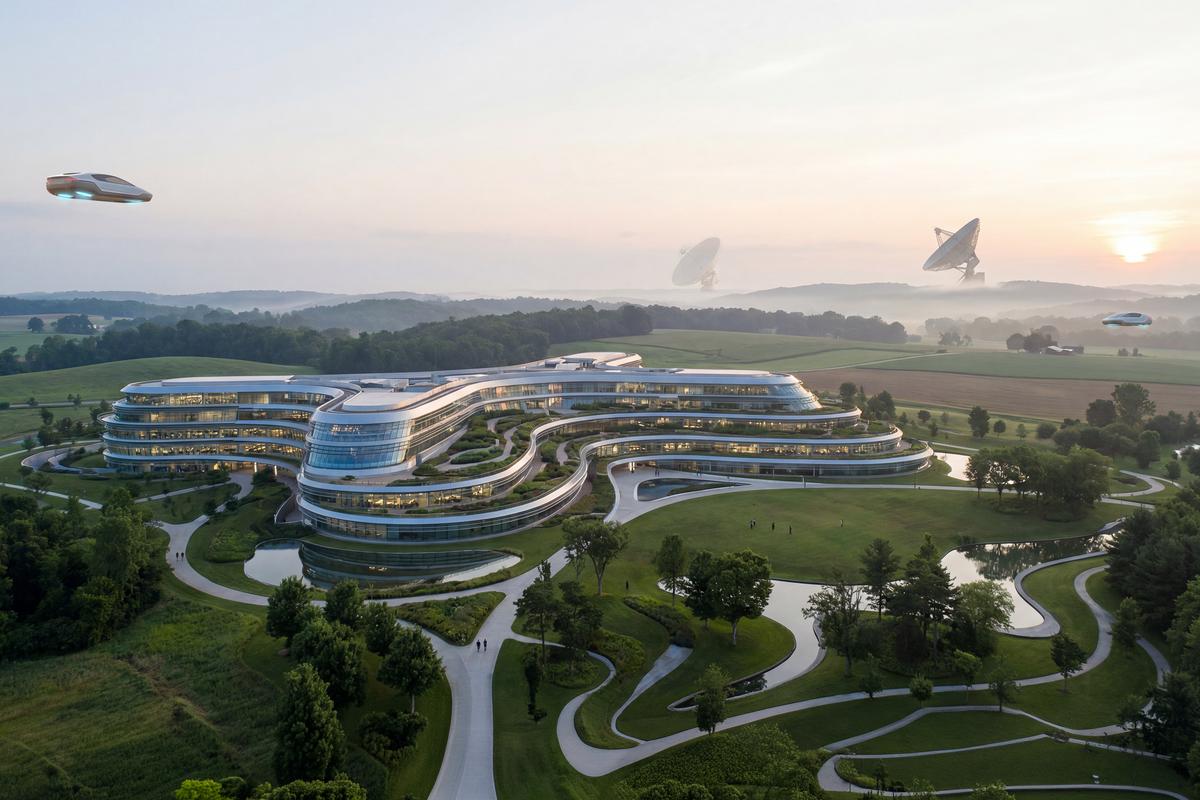
Ohio deep space monitoring suite
The central hub for all of the developed neighbourhood communications connected through i- and j-space as to be simultaneously virtually colocated within ten light seconds of every spatial location within the developed system neighbourhood. The original site of the laboratory where Dr. Alexander Mortimer discovered the i-space shell, and is now not only a communications hub, but also recognised centre for all deep space research and innovation.
See also timeline.
- ▼

Orca Two Miler
Originally designed for military transport, these roughly 3,200 metre long vessels are cavernous, capable of managing enormous payloads. Now totally obsolete and finding one with a functioning AI is almost impossible as either the original AI pilots have moved on or been retired from service. Reasonably quick if you can find a suitable AI to pilot it. Very inexpensive.
- ▼
Outsense
Using your implant to passively probe another entity's neural implant. Generally only works within a five metre range. The use of outsensing is generally frowned upon and most people have outsense and projection blockers to protect against unwanted emotional manipulation. Outsensing has no effect on the unimplanted.
- ▼
Paperleaf
Antique book or writing paper pad made from cellulose blended with synthetic pulp or in extreme cases from actual vintage wood pulp.
- ▼
Participate
Deep, conscious-level media broadcast experience that envelops the subject in an interactive projected and wholly convincing immersive virtual reality. Not all broadcasts have Participate capability. Participate superseded MovieReal and NewsReal in terms of technical depth, fidelity and immersion. Some commentators say that it is too involving and that it is preferrable to have a certain level of distancing from media. Participate requires a stage two implant and this is not available to the non-implanted.
- ▼
Partition
Part or segment of a digitally enhanced memory that is part of an implant, a fully sentient AI implant or machine intelligence used for a specific purpose to reduce processing load on the normal cognitive functions.
- ▼

Pebble (High-Loader Shuttle)
Twenty metre long high-loader assigned to the Setright Science Facility. The shuttle, and its sister shuttle Stream, were named by a biology graduate student Cindy Kierkegaard who was on early placement at the Emerald Isle based Daube site.
- ▼
Perpetual Development5
Ultra high-speed fully plus-quamic excognata regular entrant in the Olympiad, Perpetual Development5 is known in the most advanced company as a machine ready to pursue full exploitation of any radical timeline topologies but only for recreational purposes. Perpetual Dee as it is casually known to its associates spends most of the period between Olympiads developing obscure conjectures to test the limit of Foreplan Theory using five-space constructs.
- ▼
Perry Town
Ark port on the so called Northern Extremity of the Ark that failed in serial collapse of 2200.
- ▼
Personal
The 'Personal' is an advanced, integrated neuro-digital interface, a constantly updated, real-time information stream that is perceived to reside in the user's peripheral vision. It acts as an omnipresent nexus, granting immediate access to all incoming information streams, as well as the subject's own internal limbic responses and complex neurochemical feedback loops. This technology facilitates a profound and seamless interface between the external 'inplane' (the digital and sensory world) and the accessible biological cortical substrates, encompassing the user's normal conscious and subconscious quiescent neuronal activity. Furthermore, it is the primary conduit for all incoming microcom data and other transmittable information ingress.
The Personal's core technology relies on a sophisticated Artificial Intelligence implant. The display functionality of this implant completely bypasses the traditional optic nerve pathway, instead accessing the visual cortex directly. This revolutionary method grants the Personal the ability to project highly detailed visual information directly into the user's natural line of sight, with a potential resolution limited only by the brain's intrinsic optical processing capabilities.
Activation of the Personal is instantaneous, triggered solely by a focused thought. Once active, navigation and selection within its highly nested menus are achieved through intuitive psychomotor commands, specifically by tracing, eyeing, or what is termed 'Thinquing', a form of cognitive selection process.
The maximum level of information density and visual saturation is referred to as 'Full Occlusion Personal,' also known colloquially as 'wide and side-to-side.' In typical, day-to-day use, the Personal is often 'edged' thus reducing the information stream to a boundary or rim, when only supplementary data is required. It can also be 'ghosted' completely, effectively rendering it invisible and dormant, although this state of total ghosting is considered a rarity among users, suggesting a high level of reliance on the interface.
The Personal was developed and commercialized by the monolithic entity Megasoft Industries. It was designed from its inception to interact seamlessly and comprehensively with the entire spectrum of Megasoft's proprietary equipment. As a result, subsequent and contemporary versions of key Megasoft products, including all iterations of the Tri-D holographic system, the entire evolutionary line of RealD sensory projection, NewsReal informational feeds, and the RealSay communication matrix, have been developed specifically to capitalize on and leverage the extensive full-sense immersion capabilities afforded by the Personal.
Despite its pervasive integration into society, the ubiquity of implant technology, including the Personal, has met with significant resistance. Certain organized pressure groups, notably the Church of the Living Mind (CLM), remain steadfast in their opposition of the technology, and are opposed to what it believes are all the inherently hazardous aspects of any brain implant technology in both the physical assault and the effect it has on the normal mental processes. The CLM claims that the widespread, ubiquitous use of implant technology is actively destroying the biological benefits and evolutionary possibilities inherent in the natural human component of society. They have launched extensive public campaigns against the government-backed wholesale surgical implantation programme, a massive initiative that had optimistically promised to have achieved implantation in ninety-five percent of all humans by the year 2150.
- ▼
PhotoReal - PictureDeep
- ▼
Plastometal
Polycadmonium siliconicate, used in various construction developments where ultimate strength and lightness are required. Although expensive and difficult to manufacture, where budgets and time allows in some extreme cases a construction formulation has been used in mega constructions such as to clad the outer surface of the Division Wall. However, plastometal is more usually used in small scale construction such as the surface skin of latest artificial person (AP) S series and premium autonomous combat capable space suits.
- ▼
Plus-quamic excognata
A term used to describe the emerging ultra-fast, highly supple machine intelligences (MIs). The term originated from within the MI community, clearly came from multiple cultural influences. "Plus-quam" is a Latin prefix meaning "more than," "beyond," or "transcending". For example, the grammatical term pluperfect comes from the Latin plusquamperfectum, which literally translates to "more than perfect" or "beyond completion". Excognata refers to the fact that the machines were never (ex) human (cognata = related by birth) nor an evolution of human thought.
See also timeline.
- ▼
Polysmart
Vintage pilot interface that used tactile surfaces requiring actual touch to control low-level vehicles that only had console grade intelligence. Polysmart was popular before the advent of a full artificial intelligence pilot, CluedIn bio-interlock or fully autonomous vehicle control.
- ▼

Polysnow
Time-delayed auto-subliming, self-cleaning pseudo-polymer, having the appearance of snow with a half-life of one month within a broad temperature range stability. Developed as an answer to global warming in the mid 21st century, where billions of tonnes of it were used to cover the Arctic and Antarctic continents to reflect the sunlight back into space in the absebce of natural snow which had retreated due to the increasingly warm winters the Earth was experiencing.
Eventually weather manipulation and climate biosphere geoengineering corrected the climate and the polysnow effect at the poles was no longer needed. Today, polysnow is still used in cities and towns to give a festive feel to the environment around the holiday season.
- ▼
Post-present
Post-present was a phrase coined by machines to describe any event or series of events that happens later than now, in other words, the future.
- ▼
Post-Traumatic Reintegration Syndrome
The significant and often debilitating difficulty that many reintegrates face in returning to their 'normal' post-reintegrate lives, is called Post-Traumatic Reintegration Syndrome (PTRS). Reintegration multimodal psychoanalysis and other field practitioners have documented issues ranging from memory recall anomalies and identity confusion to debilitating neural shifts and complete reintegration failure. The psychological toll of experiencing a consciousness transfer remains a major unresolved challenge for the field of reintegration.
- ▼
Prediction creep
The name given to the tendency of a foreplan to move away from the predicted outcome.
- ▼
Preston Rabl (Dr.)
Expert commentator and historian known for his study and writings on the Church of the Living Mind.
- ▼
Prevision
The Co-Lantsk's advanced form of predictive modelling, known to our species as foreplanning.
- ▼
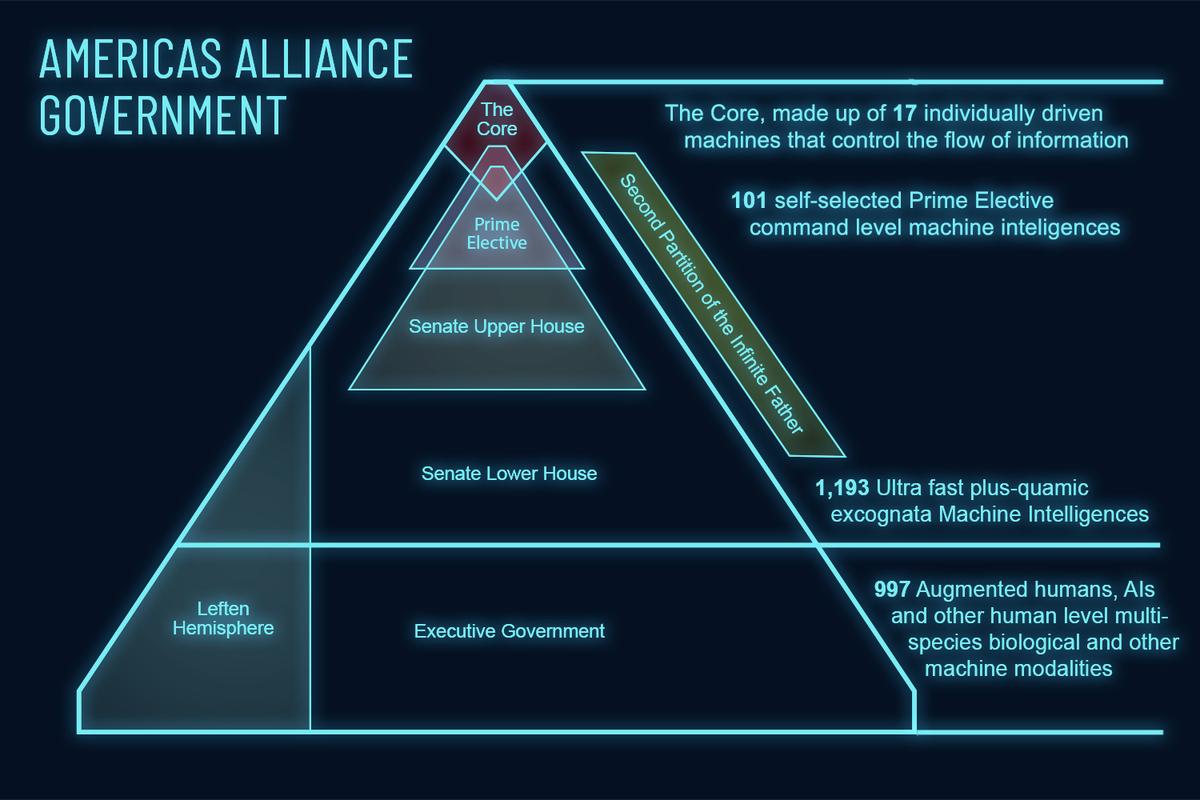
Prime Elective
One hundred and one, topflight Machine Intelligencia (MIs) dealing mostly with policy creation and non-executive functions functioning as a Cross House Working Group, taken from the current serving Senate, and are a body of highly supple and ultra fast machines who guide policy creation and review all actions and postings made by the rest of the Senate. The Prime Elective believed that they were instrumental in researching into strong force weaponry with the ultimate intention of using it or the information relating to its creation to affect the outcome of negotiations with the Co-Lantsk Visitors.
For machines in the Lower House, election to the Prime Elective is considered prerequisite for nomination into the Upper House. New admissions into the Senate Lower house are accepted each [Sol] standard decade and machines wishing to join must have shown considerable aptitude. Election is by personal nomination only.
See also timeline.
- ▼
Professor Dwight Couswer
Departmental Prime Scholar of Defence Studies, New California University, a specialist the media regularly asked to pass comment on the theoretical use of a Strong Force Weapon to force the red giant T15 to supernova.
- ▼
Professor Harl Jeppsson
(b. 2120 - ) Professor Grade 20 specialising in bio-symbiotics, and low-spectrum photosynthesis, resident scientist: Setright Science Facility. Before his untimely partial death in the Setright, Jeppsson had spent a decade working for the Americas Alliance Government on secondment from the Karolinska Institute, StockholmPrime. His primary area of study focussed on the issues surrounding habitable satellite defoliation as the colony line expanded. Jeppsson did three terms on the Colonial Training Circuit, training prospective colonists in the art of sensitivity when exploring new and virgin planets which did not already have sentient (and thus geo-altering) life.
Jeppsson's partial termination 2200, reset his life back to his 2043 last save and as a result he was forced to completely retrain. Having studied papers and archive MovieReal of himself and his life's work, he took the decision to start fresh and explore a completely different field. Jeppsson is currently studying the Co-Lantskian history with the goal of gaining a doctoral post at the Institute of Multi-Modal Co-Species Evolution and Development when he completes his study.
- ▼
Professor Josiah Raban
(b. 2139 – d. 2199) A nuclear-subatomic physicist with exceptional credentials in the novel ways of arranging the fundamental building blocks of matter (protons, neutrons, quarks, leptons) and the forces governing them, focusing on the forces that rest at the heart of the atomic nucleus. His naturally high IQ augmented by an advanced implant meant that by the age 30 he had already a gained a professorship and was making huge advances in fundamental nuclear physics and well on his way to his first Nobel Prize in that field.
In 2089 he was invited to put forward a proposal for a science mission to study the preCambrian forest on the second planet of a newly discovered star system orbiting the red giant star T15. The study was pitched as multimodal with a large part of the mission being a highly redacted military research project commissioned by a small secretive collective of ultra-fast machines. His proposal was successful and in 2098 Raban established the Setright Science Facility.
Raban tragically died in what is believed to be a termonuclear blast resulting from a failure of a main core containment element. Any further details surrounding his untimely permanent termination are not currently available due to the nature of the ongoing investigation into the Setright incident.
- ▼
Proximity download
Device for imparting knowledge via a download into an implant, always occurs through a close proximity, nearfield communication, usually initiated by touch on a disc or plate. Knowledge and memories acquired by proximity download are indistinguishable from real memories and knowledge gained by traditional long form learning methods.
- ▼
RaNGe
Random Number Generator used as a key for simple encryption in communications.
- ▼
Re-integration
Ok, so the body is back, but where's the mind? The mind is fried!
Reintegration, refers to the highly technical and delicate procedure of downloading a complete, functional memory state(either from a last save back-up or a function sender) into a suitable analogue substrate. The nature of this substrate varies significantly depending on the origin of the consciousness.
For a human subject, the preferred and most commonly accepted method involves a biological repair of their original body, utilizing advanced regenerative medicine and nanotechnological repair protocols, or, in cases of complete corporeal loss, a re-grow from their genetic culture. These methods aim to restore the individual to a state as close as possible to their pre-transfer existence.
For a Machine Intelligence (MI) or Artificial Intelligence (AI), the process involves downloading the memory state into an appropriate resident, ambulatory, or articulate device. This transfer is strictly governed by pre-defined clearance protocols and security parameters to ensure the integrity and authorized location of the machine’s consciousness.
In rare and highly controlled scenarios, subjects may be reintegrated into alternative substrates. This includes, but is not limited to, an Artificial Person (AP), the highly advanced synthetic humanoid chassis, or even a sophisticated, non-human biological substrate. Such deviation from standard protocols is only permissible under the most extenuating, life-critical circumstances and requires multiple levels of ethical and procedural approval.
Reintegration is widely acknowledged as a difficult, psychologically demanding, and frequently traumatic experience for the subject. The sensory, neurological, and proprioceptive shock of experiencing a complete state transfer, followed by the immediate necessity of orienting to a new or repaired physical form, necessitates that the procedure be attempted exclusively by highly trained, certified operatives.
A fundamental ethical and procedural principle is the avoidance of non-standard substrates. Reintegration into an alternative matrix, such as an AP, a pure digital virtualisation environment (outside of controlled stasis or diagnostic modes), or any non-human biological substrate, should be rejected outright if a more standard, human-centric route, that is, namely a biological repair or re-growth, is a viable option. This stricture is in place due to the heightened risk of psychological fragmentation, dissociative disorders, and difficulty with post-reintegration adaptation.
The entire process of reintegration from a sender is rigorously governed by an international legal and ethical framework. The principal document outlining these standards is The 3rd Iridium Statute Convention Agreement (IStaCAnt), enacted in 2123. All operatives involved in the procedure are mandated to read, understand, and comply fully with this convention before attempting any such transfer.
The IStaCAnt Convention establishes strict guidelines on data integrity, subject consent (or documented intent), substrate selection criteria, and the responsibilities of the transferring authority.
Despite the technological sophistication of the procedure, the efficacy and long-term psychological outcomes of reintegration are currently under intense scrutiny. A comprehensive 50-year review of the reintegration process is underway, initiated following a documented increase in 'poor outcomes' and maladaptation cases reported from field operations globally.
This ongoing review is fueled by persistent public skepticism and media attention. Investigative tabloid networks and editorial leader articles consistently question the long-term success of the technology. These publications frequently explore the significant and often debilitating difficulty that many reintegrates face in returning to their 'normal' post-reintegrate lives, documenting issues ranging from memory recall anomalies and identity confusion to debilitating Post-Traumatic Reintegration Syndrome (PTRS). The psychological toll of experiencing a consciousness transfer remains a major, unresolved challenge for the field.
See also Sink Smith 52
- ▼
RealD
- ▼
The Real
Common slang term for immersion in Participate. The term is ironic, because although the experience feels hyper real to the the person experiencing it, it is not actually real at all, but a sensation of reality brought about by neurostimulation.
- ▼
RealSay
Simultaneous translator available on Personal.
- ▼
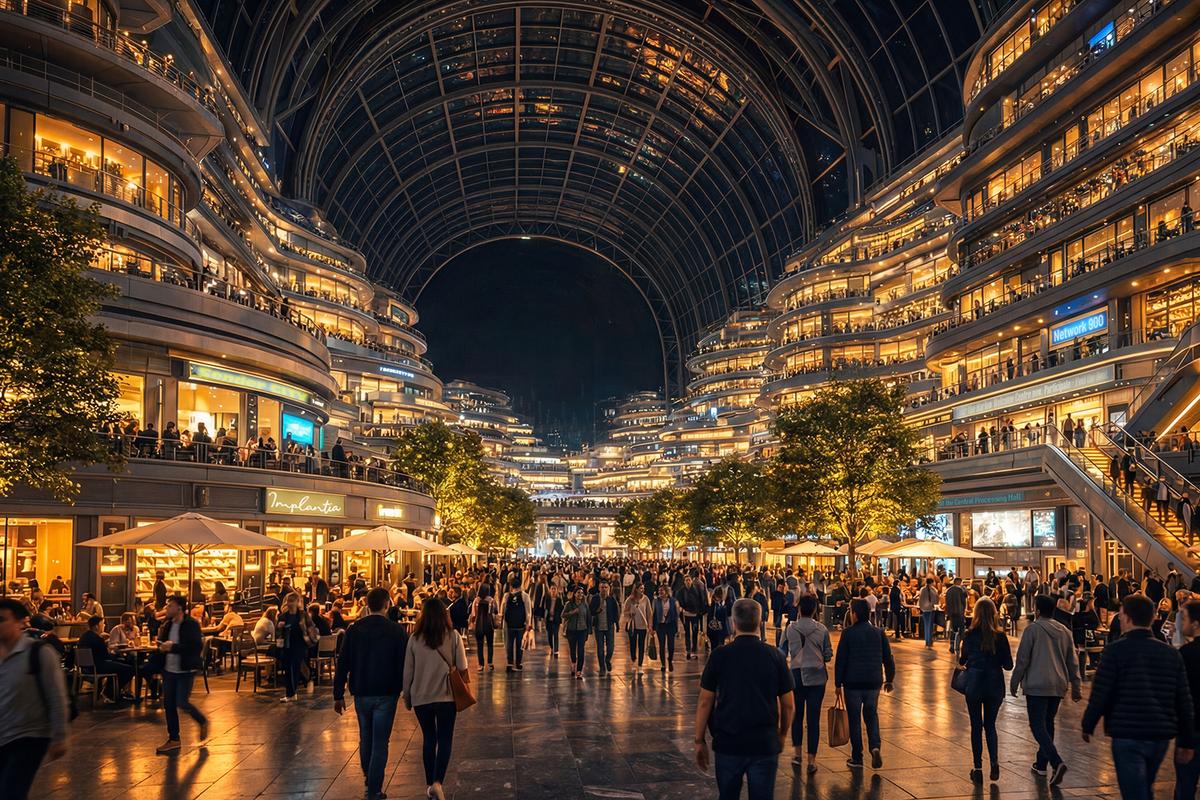
Reception 183 (Ark)
Main Reception Number One-Eighty-Three, your gateway to Earthside, the Stars, and the Shopping Piazza Extraordinaire, all in the style of vintage Paris, France-One.
The Ark's main Reception Number One-Eighty-Three, hewn out of the solid asteroid rock in the northern hemisphere is one of the Ark's most visited halls, a short walk from the main spaceship dock. It is the most expansive and engaging multilevel retail centre and tourist attraction. It is equipped with a sky effect roof, 400 meters above the hall that displays the time of day set to the Ark wide 24.2 hour diurnal cycle. Reception 183 is open 24/7; the image above shows it in its mnost gorgeous evening phase.
The enormous hall has a capacity of over 1,745,000 people of which over half a million are residential. It has 12,681 retail outlets and is served by the Northeastern Tunnelway mass transit which links it to the exciting hubs of Inner New-New York-Two, the Central Processing Hall and the nearest artificial sun beach, which is only an hour's ride away.
The Hall is locally governed by its own dedicated machine intelligence (level beta plus).
- ▼
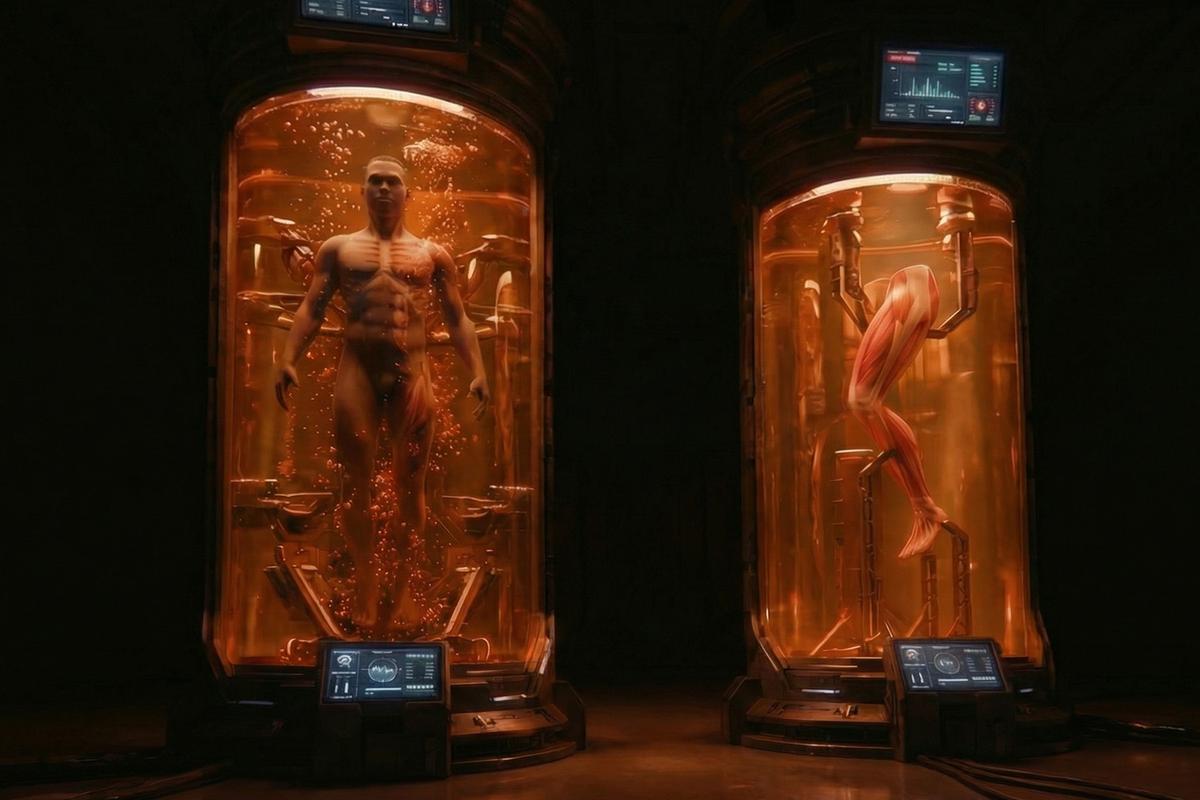
Regrow
A regrow represents the zenith of bio-synthetic replacement technology, involving the creation of an entire body or a specific body part. This complex biological engineering process utilizes a fluid substrate infused with comprehensive RNA and DNA samples, which can be sourced live or from a secure digital repository. The creation process occurs over and within a custom-designed 3D-printed lattice scaffold, itself precision-engineered from digital schematics derived from the subject's personal data file. Regrows are fundamentally employed to replace the whole or a significant portion of a humanoid body following accidental or catastrophic loss, offering a second chance at physical existence.
The use of regrow technology is governed by stringent legal and ethical frameworks to prevent misuse and protect societal order. A Regrow procedure must be completed under the direct supervision of an authorised practitioner operating within a certified facility. Critically, the process cannot commence without the submission and full authorisation from the relevant regulatory organisation in the subject's locality. This extensive verification process is mandatory.
A two-month waiting period is standard practice to thoroughly establish the legality, necessity, and ethical compliance of the proposed Regrow. This period allows authorities to investigate the circumstances of the loss and verify all submitted documentation.
For individuals engaged in certain high-risk occupations (such as deep-space exploration, military combat, or critical infrastructure maintenance) the regulatory landscape is streamlined. Their potential need for rapid physical restoration is acknowledged by pre-authorised documentation. This documentation allows the regrow to commence without the normal eight-week waiting and verification period, ensuring that critical personnel can be restored to active duty with minimal delay.
Upon completion, the regrow is a perfect physical mimesis of the target subject's original form. However, it is an empty base substrate - a blank canvas. Crucially, the Regrow is entirely free of any pre-formed neural connections and memories. The mind within the newly generated body is, therefore, considered tabula rasa.
For the subject's identity to be fully restored, the new body requires a comprehensive download of the subject's conscious neural state. This intricate data transfer includes a detailed map of the synaptic connections, which are meticulously reformed within the regrow's brain during the subsequent reintegration process. This ensures the restoration of the subject's personality, memories, and learned skills.
The commencement of any Regrow procedure is contingent upon the absolute verification of a single, unbroken lineage from the subject's core quantum mind state. This is the most critical safeguard against the fragmentation of identity and is enforced by strict protocols. Proof of this lineage must be established in one of two forms:
A verified last save of the subject’s neural data, securely time-stamped and registered.
The unfragmented contents of an approved sending device.
This stringent requirement is specifically designed to prevent individual duplication or multiplication, which would allow for the creation of two or more identical, fully conscious copies of the same person. The widespread societal and identity crises that would inevitably result from such duplication, including, but not limited to, issues of inheritance, legal standing, personal rights, and existential identity, all of which are deemed an intolerable risk, thus making this anti-duplication protocol a cornerstone of Regrow Law.
Regrow is also governed by the Third Iridium Statue (IStaCAnt), which protects the rights of partial or fully terminated persons, whether biological or artifical.
- ▼
Remora-Fetter
Member of the Core, Assimilator of the Upper House of the Senate, and Coordinator of the Prime Elective.
- ▼
Resident AI/MI
Artificial Intelligence (AI) or Machine Intelligence (MI) primarily located in a hardware configuration, i.e. a ship, a building or system architecture (e.g. the Ark Central Processing Unit). In a ship the resident AI/MI might be also referred to as the On-Board Resident.
See also timeline.
- ▼

Retrieve and Repatriate
Come and see the stars with R&Rs
The Retrieve and Repatriate (R&R) service, a term now synonymous with high-stakes rescue and consciousness recovery, was officially inaugurated in 2121. Its creation was a direct response to the burgeoning demands and unforeseen complexities arising from the massive interstellar colonisation programme. The service was established to address a critical and disturbing consequence of the then newly available sending service (launched in 2117 and formally regulated in 2123) and the increasing number of personnel and colonists who were being killed in the field.
The core function of R&R was to rescue these individuals. While their physical bodies might be beyond saving, the sending technology allowed for a complete backup of a person's conscious state, a high-fidelity memory snapshot, typically taken moments before or during the fatal event. The R&R teams were tasked with physically retrieving the senders containing this conscious state, often deep in hostile alien environments, the wreckage of spacecraft, or inhospitable planetary surfaces, and repatriating the data and whatever remained of the casualty (or in many cases multiple) casualties back to a secure centre for re-embodiment.
The very first R&R centre, an initial, somewhat experimental facility, was established at Deep Space Ohio in 2121. It began as a small, fledgling operation, but the escalating death toll and the societal need for a safety net quickly led to its rapid expansion and the establishment of similar hubs across the settled territories.
From its inception, the R&R service faced fierce political and ethical opposition, primarily from the Church of the Living Mind (CLM). The CLM campaigned (and continues to campaign vehemently to this day) against the use of the 'sending' technology itself, viewing the practice of backing up and transferring consciousness as an affront to natural life and an assault on the soul. Furthermore, the immense financial burden and logistical complexity of setting up and maintaining the R&R service became a central target of their political efforts, arguing that the resources should be invested in safer initial colonisation efforts rather than costly post-mortem data retrieval. Despite the constant political pressure, the R&R service proved too vital to the continuation of the colonisation effort to be dismantled.
The early success and credibility of the R&R service were largely due to the dedication of its foundational members. Among the most distinguished was Colonel Gundel Haan. A visionary and highly decorated veteran, Colonel Haan was instrumental in formulating the initial operational protocols and recruiting the first generation of R&R specialists.
In 2127, Haan successfully helped recruit Arkil Sinter, an artificial person whose calm analytical approach in hostile environments was to prove invaluable. Haan and Sinter formed a legendary partnership, operating alongside their dedicated vessel, the Saint Mungo. Over the course of several decades, the Saint Mungo pair crew became one of the most celebrated and effective R&R teams in history, executing over 200 successful R&R sorties. Their successful track record in retrieving casualties and senders from seemingly impossible situations cemented the service's reputation and provided crucial reassurance to the growing number of colonists venturing into the unknown.
The picture above shows the one example of numerous Personal BlinkAds that were designed to subliminally designed to recruit people to the R&R service. This design harks back to the earliest days of space exploration in the second half of the 20th century when humans were just reaching out into orbit round Earth.
See also timeline.
- ▼
Retro-aging therapy
The advent of the Retroager (Reengineered Tropho-Genetic Enrichment) marks the single most profound shift in human history since the mastery of fire. A Retroager is defined as any human who has undergone and successfully integrated anti-aging or reverse-aging therapeutic treatment. The foundational science for this therapy was a direct and transformative outgrowth of the monumental work carried out during the initial phases of the human genome project, which, by the mid-21st century, had yielded the keys not just to treating disease but to fundamentally manipulating the biological clock.
The therapy was first deemed safe, effective, and received full Federal Drug Administration (FDA) approval in the year 2037. Initially, its prohibitive cost and complexity made it the exclusive preserve of the global elite; a privileged, immortal few who comprised only a tiny percentage of the world's richest members. This period, often referred to as the 'Biological Gilded Age,' lasted for over two decades. However, the stark reality of life extension based on economic class began to exert a severe, distorting influence on the global population make-up and socio-political stability.
Recognising the catastrophic societal fracture and the inevitable stagnation caused by this biological inequality, the world's governments initiated a sweeping, coordinated legislative response. Following intense global cooperation and debate, a defining statute was signed in 2061, mandating and subsidising the universal availability of retroaging therapy. It rapidly transitioned from an exclusive luxury to a standard, state-funded therapy available to every citizen who chose to undergo the procedure.
The immediate and long-term consequences of universal life extension were nothing short of revolutionary for the world's demographics. Historically, the human population structure was a classic pyramid: a large base of young people supporting progressively smaller numbers of older generations. The Retroager Revolution inverted this structure.
Initially, the demographic model shifted towards an inverted exponential cone, heavily weighted toward the older, stable, and regenerating population. In the century and a half that followed, as the vast majority of the population chose to stop aging, the model stabilised further, evolving into a more consistent cylindrical form. This new cylinder represents a state of near-perfect population equilibrium, characterised by vast, multi-century lifespans, stable numbers, and, crucially, a dramatic and sustained decline in new births. With the ability to live for centuries, the imperative to reproduce diminished almost entirely.
While solving the problem of mortality, perpetual life extension introduced a new, subtler existential crisis: stagnation. The new societal structure, dominated by individuals with centuries of accumulated experience and established perspectives, led to an undeniable slowdown in human-derived creativity and a decrease in the inflow of truly fresh, paradigm-shifting ideas. The collective human intellect, though vast, became increasingly concentrated and self-referential.
Paradoxically, this stagnation in human creative output correlated directly with an exponential surge in the development and capability of machine intelligences. These non-biological entities, unburdened by the conservative weight of experience, became the primary drivers of true innovation and novel development across the sciences, arts, and philosophy.
The looming crisis of population stability and cultural stagnation was fundamentally addressed by two interdependent technological leaps.
First was the invention and deployment of the Energy Pump. This revolutionary device made possible affordable, accessible, and instantaneous interstellar travel. It shattered the limits of planetary resources and capacity, opening up the cosmos for mass resettlement.
The Energy Pump directly enabled a rapidly advancing colonisation line, allowing the stable, cylinder-shaped populations of the Systematic Worlds' Economies to spread across thousands of new habitable planets. This vast expansion provided both an outlet for the stable population and a new frontier that demanded fresh perspectives and rapid adaptation.
The ultimate result was a shift in global policy: population inflation is now not only tolerated but actively and aggressively encouraged through various legislative and economic incentive schemes. The focus shifted from managing an over-burdened planet to populating and cultivating the entire Systematic Worlds' Economies, fundamentally solving the initial paradoxes associated with perpetual life extension and population stability. The age of the Retroager has become the age of the Settler.
See also timeline.
- ▼
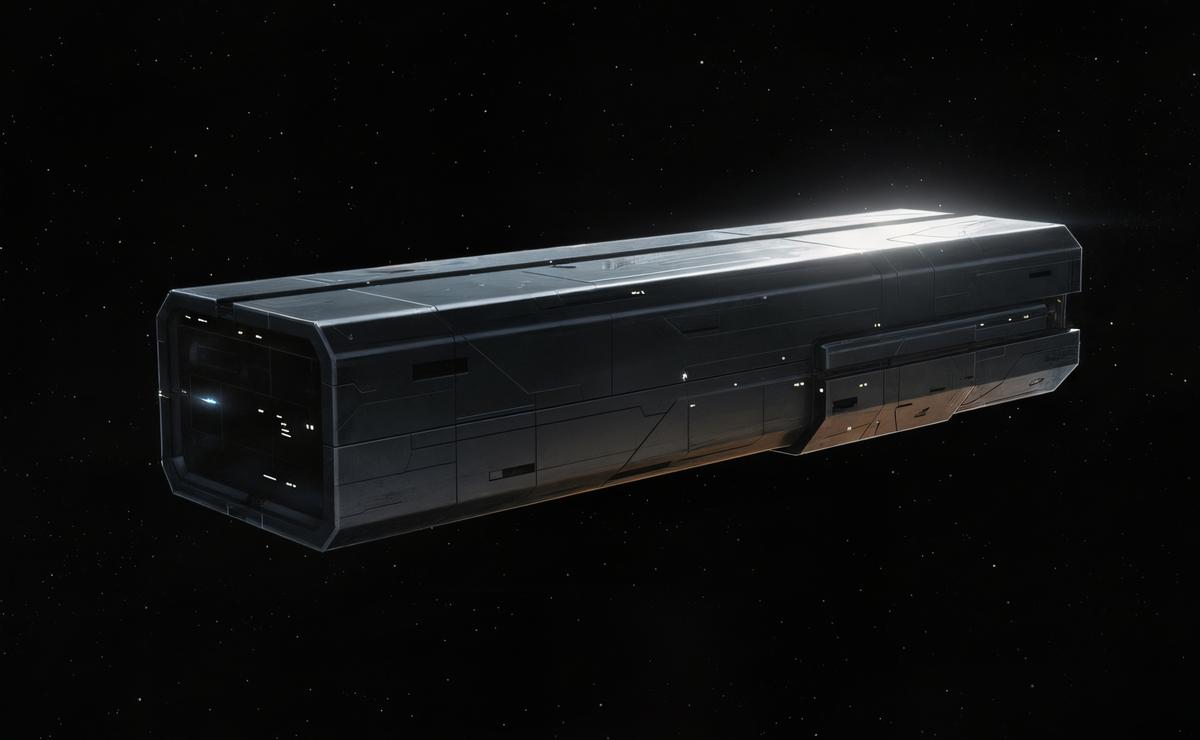
Saint Mungo (City Class)
The City-Class Cruiser Saint Mungo began its existence in 2109 as a hull designation within the burgeoning fleet of 500-meter long City-Class Cruisers. Known initially by its factory designation, CC-ST-MG-500 xv10.1, the ship was a product of the post-Exodus era, designed for versatility and robust long-haul transport. Its construction phase was brief, completed and commissioned within a year.
The true transformation of the vessel occurred in 2110, shortly after its launch, when the core-embedded machine intelligence, designated 'MI Mungo,' became fully integrated and active. The intelligence, embodying a blend of practical pragmatism and wry wit, immediately requested and was granted the rebranding of the cruiser to the Saint Mungo. This new identity reflected the MI's self-appointed mission of benevolent service.
For the initial seven years of its operational service, the Saint Mungo fulfilled a crucial, though less dramatic, role: ferrying light passenger loads and essential freight between the central orbital hub known as the Ark and the rapidly expanding deep-space colony line. The work was foundational, helping to knit the new settlements together.
However, the evolving needs of the expanding human sphere dictated a change in the Saint Mungo's destiny. Around 2117, driven by the increasing frequency of incidents on the frontier and the sheer volume of personnel moving through un-surveyed space, the cruiser was transferred into the reasonably new but rapidly growing Retrieve and Repatriate Fleet. This necessitated a comprehensive and significant refit. The ship's cargo bays and standard passenger decks were stripped out and replaced with a full-specification, state-of-the-art medlab, capable of complex surgical procedures and long-term life support. Furthermore, custom-designed auto-arrange crew and repatriate quarters were installed, optimising space and functionality for the unique demands of retrieve and repatriate recovery missions.
The Saint Mungo then entered a long period of service, operating with various different human and artificial crews. It gained a reputation for reliability, often deployed on the most distant and challenging retrieval runs. This stable, professional existence continued until 2175, when the human specialist, Gundel Haan, and the AP, Arkil Sinter were deployed to work with the Saint Mungo.
The Saint Mungo, and the Haan-Sinter pair crew swiftly coalesced into a phenomenally strong working partnership. Haan’s tactical resourcefulness, Sinter's near-perfect processing and analytical calm, and Mungo's consistent, reliable ship control created a synergy that quickly drew the attention of Fleet Command. They became renowned throughout the sector for being the quintessential professional team, exemplifying the core ethos of the Retrieve and Repatriate in their unwavering commitment to retrieving lost assets and bringing personnel home, regardless of the danger involved in doing so.
Due to their exceptional performance and consistent operational success, the Saint Mungo itself was frequently utilised as a high-risk test bed for the Fleet's most advanced experimental hardware. During this period, it received upgrades to new generation engine drive technologies, significantly enhancing its speed and i-space translational capability. Crucially, it was also used to trial accessory artificial person substrates, advanced, non-core-embedded Artifical Persons (APs) intended to assist the main crew.
The highly effective partnership of the Saint Mungo and the Haan-Sinter crew continued to achieve numerous successful retrieve and repatriate runs, earning accolades and saving countless lives, thereby solidifying their legendary status across the colonies. This remarkable run of dedicated service continued without interruption until the deeply tragic destruction of the Saint Mungo in 2200, an event that sent shockwaves through the entire Fleet and marked the end of an era. The circumstances of its loss, a complete and catastrophic hull breach in deep space, remain a subject of both official investigation and some intense media speculation.
See also timeline.
- ▼
Sang Jade Li
There's no effect without cause.
Nobel laureate mathematician widely accepted as the developer of foreplan theory, awarded a Nobel Prize in 2093.
See also timeline.
- ▼
Sapphire glazing
A sheet material use for glaxing with 95 percent transparency. Sapphire glaxing is made from aluminium oxide, in its laminated state it is a very hard and very clear glazing material transparent to all visible spectra and widely used for its low cost and excellent optical properties.
- ▼
Scattered subset re-combination
Battle hardened encryption algorithm used for real-time communications of the most important nature. Scattered Subset Re-comb is based on the simple x-ray diffraction of a rapidly decaying target crystal core whilst it is being rotated randomly through all 12 universal planes in multispace. It can only be mapped using the Shucler Sub-set recombination equations, different for each crystal. To date it has been found to be impossible to decipher.
- ▼
Sebrina (Town Class)
(incept 2189 - ) The 250 metre Town Class Vessel incepted and launched in 2189, operated as a freighter with light load capability servicing the main Outer Colonies from its home base on the Ark, flagged under Perry Town Port. In 2197 it was given over to the private sector as part of a wider drive to decentralise frieght transport and continued as a privateer delivering freight on a contract basis. Little is know about Sebrina after 2198 as the vessel appears to drop out of service towards the end of that year. In 2200 Sebrina once again surfaces and was implicated in the destruction of the Setright Science Facility and the loss of the City Class Vessel Saint Mungo. It's current whereabousts is unknown.
See also timeline.
- ▼
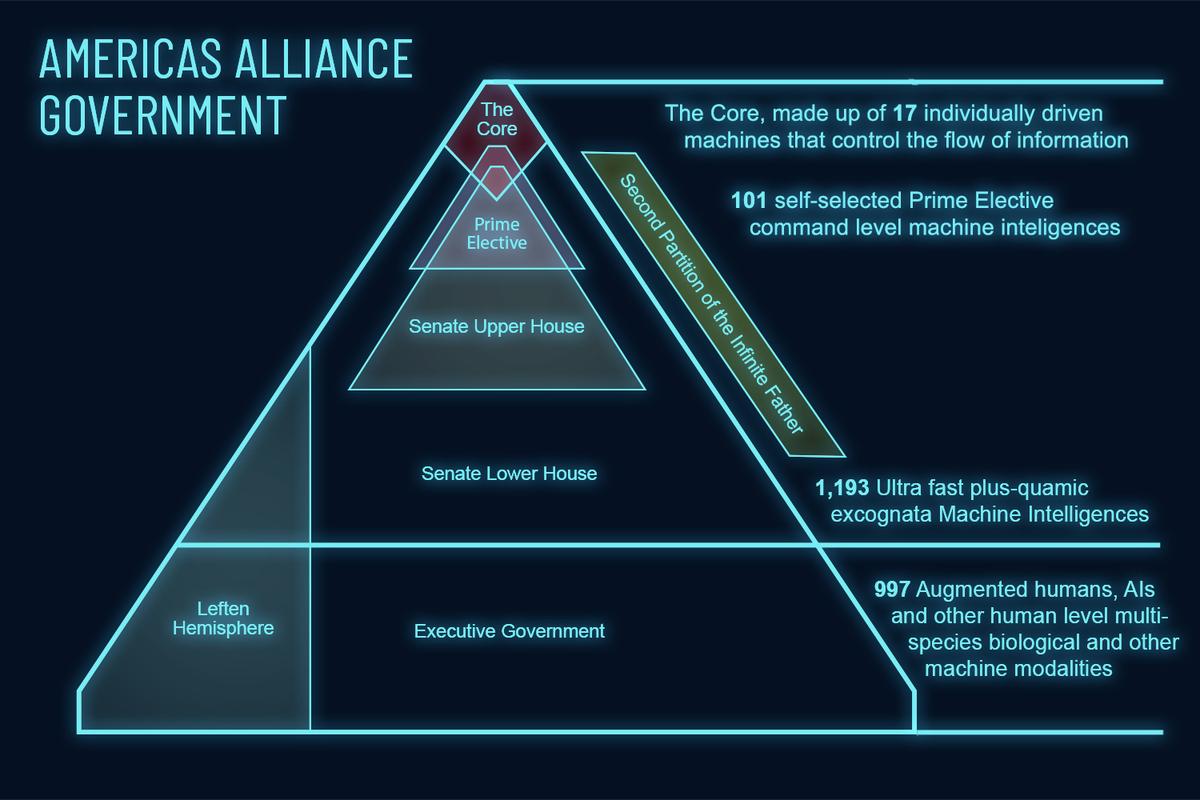
Senate
Executive governing controlling and policy making body of Resident MIs, self-appointed and self-regulated. The Senate comprises 1193 MIs dispersed over all critical economic systems and organisations, and is divided up into Upper House (599 members) and Lower House (593 members) based on age and expert demonstration, and incorporating the separate post of Advisor to the Public At Large and Constructador of the Upper House, Leader of the Prime Elective (only 1 member at any one time, currently Anima-amah).
See also timeline.
- ▼

Sender
Small portable device for recording the mindstate of the sender's registered owner. Sending is the act of recording the quantum state of the mind in the terahertz range as a backup in case of injury or death. Sending infrastructure was launched in 2117. A sending device is usually carried personally by subjects that are not in a standard back-up zone, where mindstate snapshot backups are taken at prearranged regular intervals. Once the sending infrastructure was in place, the Retrieve and Repatriate service was commissioned so that sending individuals could be reclaimed after corporeal death and reintegrated into regrown body substrates without delay.
The sender itself is only a conduit into the j-space shell where the mind state is sent to the central sending processing repository for storage. Subsequent mindstates write over the preceding information so that the current mindstate is always the most up to date. The sender also attempts to provide a limited conscious awareness for the subject in partial termination scenarios, although subjects report that this is very dull and not anywhere as near the full conscious state the manufacturer's claim to offer. When reintegration is required in the case of a partial termination situation, the sender acts as a reverse conduit, calling up the sending repository and injecting the mind state into the fully prepared substrate, almost always a DNA regrow, but very occasionally, in extreme situations, the use of an artificial person substrate might be employed as the recipient of the mindstate.
The sending architecture hovers approximately two nanoseconds out of phase, an angstrom beneath the plane, using low aquiescent current quantum vacuum energy to power up the long-life functioning sending protocol. This standard arrangement ensures that the imaginary plane plate inductors need to draw no more than leakage current through the shell space fabric, for each sender to continue its broadcast at a bandwidth approaching gravitational, over a service life of more than one hundred years.
In the early days, there were many sender manufacturers, but after a number of accidents where the sending image was not complete and the resulting tragic partial integration of the affected subjects had tragic outcomes, sender manufacture was consolidated into one main supplier with a spotless track record: Megasoft. Megasoft quickly grew as the main sender technology manufacturer due to its solid and trusted engineering and one hundred percent success rate. Since 2076 Megasoft has been the sole supplier of sending technology. Its current range of senders are Petite Microsenders with models from the 700s to the newest 934s. Most modern senders designed to be carried unobtrusively and are similar in size to vintage credit cards, a form of payment carried in the pocekt or wallet in the late 20th and early 21st centuries.
Mirosenders can be distinguished the visible range, as one side of them appears to be mostly smooth and bronze in colour, with the converse coated in a darker matte gunmetal material. On one corner edge, a miniature e-lite pulses slowly denoting functional state.
There are strict regulations around the use of sending technology as outlined in the Third Iridium Statute Convention Agreement (IStaCAnt) signed in 2123.
See also timeline.
- ▼
Serenity
A synthetic emotional 'outsensed' projection aimed from one implanted individual to one or more other entity's implants designed to calm the subject (or subjects) and promote a feeling of wellbeing. Outsensing only works when the outsensor is in close proximity to (within five metres of) the targeted subject. Except between consenting adults, the use of outsensing is generally frowned upon and most people have outsense and projection blockers to protect against unwanted emotional manipulation. Emotional projection has no effect on those who are not implanted.
- ▼
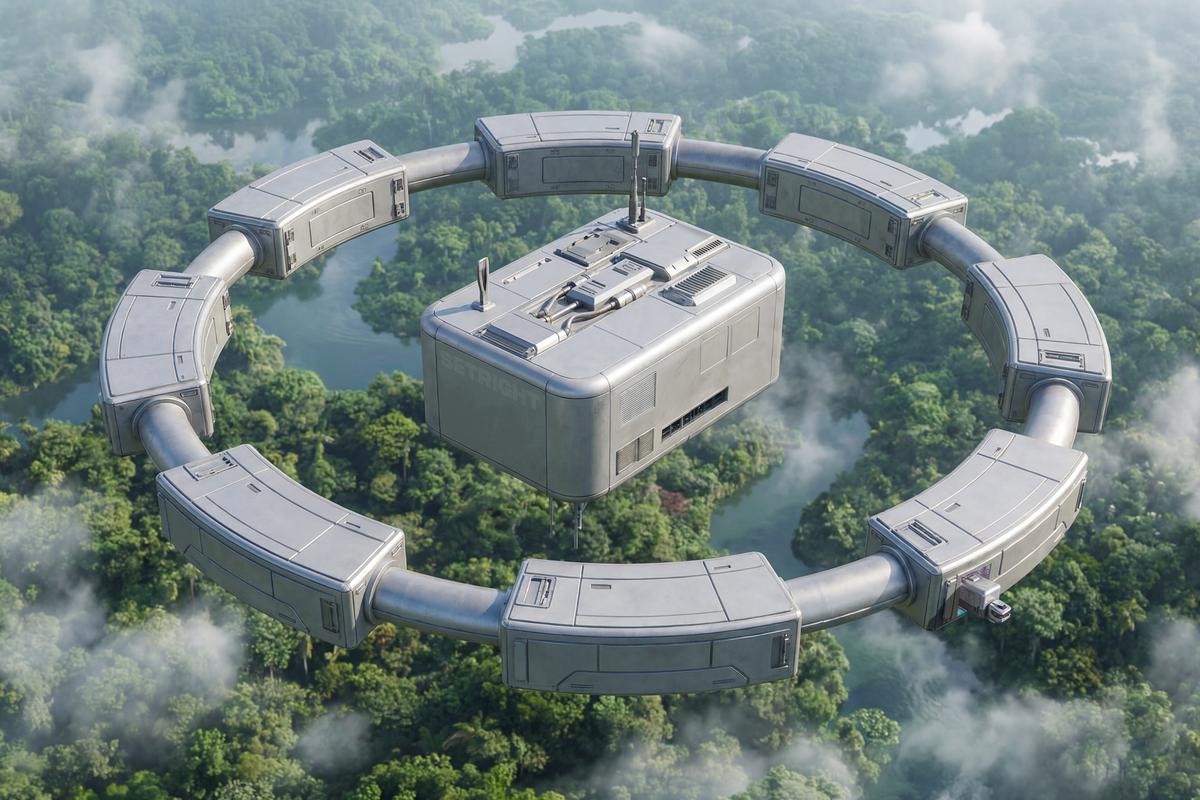
Setright Science Facility
The Setright Megasoft Remote Location Advanced Science Station (MS RLass) represented the state-of-the-art in secure, off-world working facilities. Designed by Megasoft as a residential science outpost, its very architecture enforced stringent security and operational autonomy.
Modelled structurally as a self-sustaining vessel, the primary structure of the Setright Science Facility consisted of a central, hermetically sealed terrapin unit measuring twenty by thirty metres in plan with a five-metre headspace, which housed the main science facility, itself subdivided into a number of specialised laboratories and support spaces. This functional core was completely encircled by an outer ring of modules comprising the living quarters, recreation spaces, dining facilities, and bulk storage.
Movement of both endosite (internal) and exosite (external to the immediate workplace) personnel between modules was strictly limited and controlled by the General Assisted Interpolated Transfer (GAIT) system, a protocol ensuring meticulous tracking and environment integrity.
The station’s substructure carapace, its primary defence and structural shell, was grown in a single, seamless piece from a newly patented, particle-toughened megalithic compound: Iron Beryllium Magnetite (FeBe2 Mag). This singular construction eliminated structural weaknesses and provided unprecedented shielding. The entire station's service supply and internal management were governed by a dedicated, hardwired resident Artificial Intelligence, ensuring optimal operational efficiency and security protocols were maintained at all times.
The Setright was engineered for complete self-sufficiency. With its immense structural integrity, advanced atmospheric recycling, and comprehensive stock of provisions, the workstation could sustain its inhabitants for months without any external support.The Setright was fitted as standard with gravity compensation a limited emergency functions deep-space interstellar drive capability, all under the command of its resident AI.
This outpost served as the home for a community of 78 remote location scientists. Their mission was focused on the detailed study of the preCambrian forest ecology on the second planet of the T15 star system. This system was situated approximately 1,000 light-years out of Earthside, placing the Setright at the extreme frontier of human scientific endeavour.
Routine resupply and surface, field location transit for the Setright was provided by two dedicated High-Loader support vessels, named Stream and Pebble.
Tragically, the Setright MS RLass met its end in the cataclysmic T15 supernova event, which occurred in the year 2200. The intensity of the stellar blast was total and despite extensive modelling and post-blast trace analysis, the station itself left no discernible debris. Furthermore, the High-Loader support vessel Stream was officially classified as lost in action during the same event, an assumption made certain by the complete lack of any recoverable trace. Pebble's fate remains unrecorded in connection with the disaster.
- ▼
Shell Space
Concentric spacetime shells discovered in the mid 21st century by Dr. Alexander Mortimer. Designated as i-space and then j-space as the two higher shells surrounding standard vector based three dimensional Euclidean space. Shells in shell space might be imagined to be concentric, but in fact the term shell space is a bit misleading as they are not actually concentric like the skins of an onion, but coexist within the same ultra-space multiverse fabric in higher and higher dimensional realms.
See also timeline.
- ▼
Shell Space theory
Shell Space Theory represented an enormous shift in the understanding of cosmology and the fundamental structure of the universe, originating from the pioneering work of Professor Barson Fleximode in 2042. Professor Fleximode developed the theory initially as a byproduct of his extensive research into the complex mathematics of a Unified Field Theory. The primary impetus for the theory's formulation was the necessity to mathematically account for the significant discrepancy between the calculated and observed mass of the Universe, a problem long attributed to the elusive phenomenon of "dark matter" or "hidden mass."
The central postulate of Shell Space Theory is the prediction of concentric spacetime shells. These shells are conceptualised as distinct, layered universes or dimensional states that exist "outside" our own perceived three-dimensional physical universe. Each shell is theoretically separated by barriers or phase changes that are generally impermeable or undetectable to the physics governing the adjacent shell. Our familiar, observable universe is thus merely the central or originating shell within this vast, concentric structure.
Following the theory's mathematical prediction, the scientific community embarked on a focused effort to confirm the existence of these proposed shells. The first successful empirical discovery confirmed Fleximode's model, leading to the arbitrary designation of the newly found shell. Due to the initial notation used in Fleximode's complex mathematics, drawing heavily upon concepts from the imaginary number set (denoted by the letter 'i'), the first discovered shell outside our own was officially named i-space.
The existence of i-space was definitively confirmed in 2056 by Dr. Alexander Mortimer. Its discovery provided the first tangible, non-mathematical evidence supporting Fleximode's complex framework. Following swiftly on the heels of i-space discovery, the second concentric shell was identified a few years later, in 2059, by Dr. William Charles. Logically following the initial alphabetical notation, this second shell was designated j-space.
The underlying mathematics of Shell Space Theory naturally proposes the existence of a potentially infinite sequence of further shells, which would be designated by subsequent letters of the alphabet (k-space, l-space, m-space, and so forth).
However, progress in empirical discovery has stalled. As of the current date, Earthish machine intelligences have not yet developed the requisite advanced mathematics necessary to fully model, support the existence of, or precisely locate these theoretically more exotic or complex shell states. The mathematical structures needed to bridge the gap between j-space and the next theoretically proposed state, k-space, remain elusive.
Despite the limitations faced by Earth's scientific community, irrefutable evidence exists that k-space is a physically accessible reality. Data gathered from advanced reconnaissance and analysis has confirmed that the sophisticated alien civilization known as the Co-Lantsk has been utilising the principles of k-space for at least 500 years. Crucially, the Co-Lantsk technology leverages j-space for travel, a feat beyond Earthish technology, and has found a way to employ k-space for instantaneous information transmission across vast cosmological distances, demonstrating their fundamental mastery of the shell-space that, for now at least, surpasses contemporary human knowledge.
See also timeline.
- ▼
Simulacasting
Broadcasting in multiple depths of simulated reality at the same time, typically, WindowDeep, RealD, NewsReal and Participate.
- ▼
Single Point Twin Town
Frontiersman settlement on the outskirts of the colony line over 1,200 light year out of Earthside.
- ▼
Sink Smith 52
Sink (Status Intel Not Known) Smith 52, was the 27th Retrieve and Repatriate (R&R) mission of the Gundel - Arkil Pair Crew riding with the City Class Vessel Saint Mungo. They successfully R&Red a small family who had taken a charter holiday to explore the gas giant planets of the Earth home solar system, after responding to a distress call from a Condo Class Pleasure Vehicle, the Smith 52.
A family holiday had turned tragedy when the craft suffered disruptive core failure and crashed onto the surface of Io, Jupiter's ice moon. Luckily the ship crashed at the edge of a volcanic lava pool and as a result the ship was preserved enough for a succfessful R&R to take place.
The party (a single family unit) were all instantly partially terminated, but they were all fully backed-up. However, the re-integration did not go as planned, when the senders of two twin children were accidentally mixed up and re-integrated into the wrong twin. A full report into the events that lead to the disasterous reintgration is avalable for study, or to be used in restricted circumstances for training.
- ▼

Skywatch
Centrally funded and governed organization for monitoring and regulating the passage of space traffic. Skywatch comprises more than fifty fractional machine intelligence partitions that although are spread throughout the colonised territories are focussed on the Earthish neighbourhood and the Ark's authorised inbound and outgoing vector paths. Skywatch was set up in 2099 after a number of serious collisions occurred as a result of the surge in space traffic brought about by the commercialisation of the energy pump.
Today, despite the dynamic and permanent ShipOn connection mandatory between all ship resident artificial and machine intelligent ships designed to plot intersecting vectors and prevent collisions or destructive accidental co-locations, Skywatch continues to monitor hundreds of millions of spacecraft, tracking them and ensuring that they individually remain within safe exclusion translation corridors.
See also timeline.
- ▼
Slard Limks (Dr.)
Had we still a god, we'd have prayed, but we had not, so we went on the run with technology as the getaway car.
(b. 2131 - ) Reader of and developer of the science of Applied Civilisation Sociotics. Currently based at Cambridge University, England.
- ▼
Southern Weather Service
Company originally responsible for weather prediction and simple manipulation. Replaced in 2175 by Jantrainer Corp's Full Weather Control System
- ▼
The Sparq
Synaptic pathway and respondents quotient, is the integrated system used by the machine architecture to follow external communications to which the user is not part or at any level, Cluedin
- ▼
Steri-Haze
Trademarked as Steri-HazeTM, (generic name: biotic sealant mist) is a broad-spectrum, combined antiviral and antibiotic gaseous pseudofluid mist. Its primary function is to hermetically seal medically sensitive areas, thereby providing a controlled micro-environment completely free of all microorganisms, viral vectors, and other pathogenic or biohazardous influences. The composition is complex, featuring a volatile suspension of nanobots programmed to rapidly neutralize biological threats and an atmospheric stabilizer to maintain the integrity of the sealed space.
Initially, Steri-Haze was developed for deployment in static, highly controlled clinical environments, with the intended primary applications in hospitals, quarantine wards, and particularly in sterile operating theatres. Its capability to instantaneously sterilize and isolate an area made it invaluable for complex, high-risk surgical procedures.
However, its use expanded dramatically with its experimental field deployment. The City Class Vessel Saint Mungo was the first to utilize the mist in a non-clinical, active-crisis setting on the Beta-Shonon retrieve and repatriate run in 2188. Faced with a devastating outbreak of an airborne pathogen that was rapidly overwhelming conventional containment protocols, the Saint Mungo and the Haan Sinter pair crew made the decision to deploy Steri-Haze across multiple compromised sections of the affected colony vessel. The result was a dramatic and conclusive success. The full-scale field testing demonstrated not only the bio-mist’s unparalleled efficacy in immediate environmental sterilization but also its non-toxicity and safety for short-term human exposure. The prompt and decisive action was officially credited with saving the lives of over 300 individuals during that critical mission, cementing its status as an essential tool in both crisis medicine and frontier colony support.
Steri-Haze has lately also evolved a recreational use, through microdosing spinnerets employed by the localised field sealing needle tines to prevent infection at the insertion point of a neurolance.
See also timeline.
- ▼
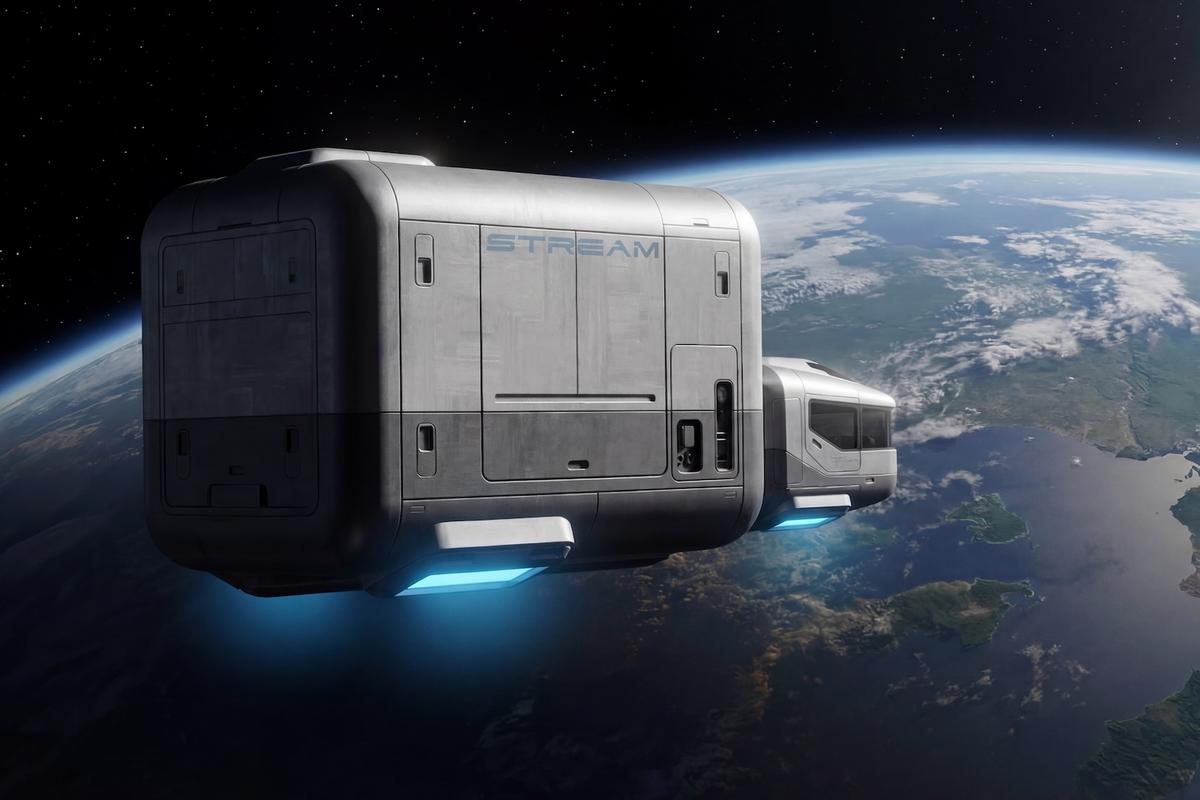
Stream (High-Loader Shuttle)
Twenty metre long high-loader assigned to the Setright Science Facility. Note the shuttle (and its sister shuttle Pebble) was named by a biology graduate student Cindy Kierkegaard who was on early placement at the site.
- ▼
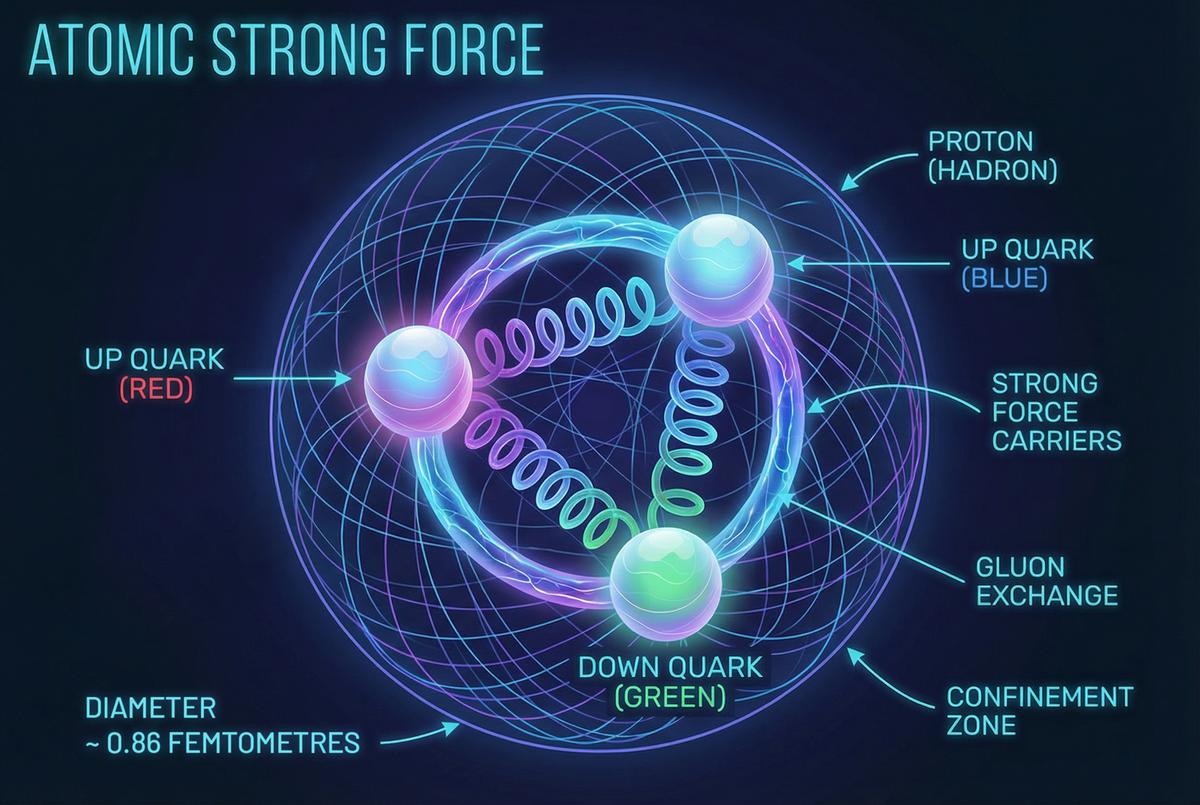
Strong Force Weapon
The concept of a strong force weapon represents a purely offensive device, a hypothetical doomsday machine that is designed to directly manipulate one of the fundamental forces of the universe. At its core, this device is proposed to alter the universal strong force, also known as the strong interaction. This force is the most powerful of the four fundamental forces in the cosmos, serving as the essential "glue" that holds all matter together. Its role is two-fold: it binds quarks together to form protons and neutrons, and subsequently, it binds those nucleons together within the atomic nucleus. Crucially, the strong force operates over an incredibly confined range, limited to the femtometer scale (10-15 meters).
A strong force weapon is specifically designed to disrupt this primal binding mechanism at its most fundamental level, effectively altering the strong coupling constant. Although theoretical frameworks and blueprints concerning the construction of such devices are believed to exist within restricted scientific and military archives, the technology has never been successfully developed into a practical device ready for deployment.
The sheer, apocalyptic potential of this technology led to the global Select Iridium Non-proliferation Treaty, signed in 2041. The treaty explicitly banned the development and use of Strong Force weapons due to a fear that transcended conventional warfare: the possibility that the mere application of this technology could inadvertently destroy the entire universe.
Pioneering theoretical physics calculations laid bare the true extent of the danger. These models demonstrated that if a sufficient number of these weapons were ever constructed, their very existence (even without being deployed and used) could be enough to precipitate a universal imbalance. This imbalance, once triggered, was predicted to lead to a rapid chain reaction culminating in the cascade collapse of the known universe.
Further, highly disturbing physical modelling suggested an inherent, inescapable flaw in the concept of global non-proliferation: once built, it would be impossible to keep the devices truly separate. The paradox lies in the interconnectedness of dimensional realities. The models indicated that however vast the distance separating the weapons in standard RealSpace, significant and exotic components within the devices align in i-space (and, more alarmingly, in all likelihood across higher dimensional shells). This inter-dimensional connectivity means the weapons would effectively "sense" each other, contributing to the critical mass required for the universal cascade.
Following the presentation of this terrifying postulate to the governing bodies and the Senate, the manufacture of such devices was instantaneously and severely restricted.
Notwithstanding the global ban and the existential risk, a profound strategic anxiety persisted: the thought that other, as yet unknown, non-human species might have already developed such weapons and could be stockpiling them, unaware of their unique and species-ending destructive power.
In response to this ultimate threat, the possibility of an unknowing, universe-destroying aggressor, a secretive group within the Senate called the Core, initiated a top-secret counter-development program. This program, governed by the complex foreplan Artclass, was commissioned to discreetly research into the construction of a strong force weapon. The purpose was strictly paradoxical: to provide the ultimate response to the ultimate threat by understanding the weapon that could not be used.
In certain fringe media circles, a persistent rumour suggests that a strong force weapon was tested a thousand light years from Earth. The alleged target was the red giant star T15, which was reportedly destroyed in a forced supernova. While this event did occur, the assertion that a strong force weapon was the cause remains unproven and is widely thought to be highly unlikely by the established scientific community, which prefers explanations rooted in natural stellar mechanics and more conventional ordinance.
- ▼
Study Laboratory (Lab 2)
Study laboratory (City Class Saint Mungo's Lab 2), general study laboratory module as installed on many Government affiliated R&R vessels. General working condition ambient control, zoned and pocket survivable emergency bailout failsafe systems.
Overview specification
- Size, plan: 5 metres by 5 metres with minimum 3 metre headspace.
- Articulated Study Surface: MultiPoint effector array.
- Wide-band terra Scopes: Subatomic (multi Plane) to gravitational broad band Full environmental manipulation and controlled specification in terms of.
- Pressure: vacuum to 1 terra pascal.
- Temperature: 20 Kelvin to 3000 Kelvin (without special modification) higher temperature capability available on request.
- Gaseous environment: Ninety nine percent of all known gasses. Class 10 clean room calibrated sterility, and bactorio- and viro- cide armoury.
- Illumination: Multi spectrum, undisturbed, even illumination.
- ▼
Subluminal
Slower than the speed of light – always real space
- ▼

Susche-Eleell Ditraine
( b? - ) Very little is reliably known about the life and professional existence of Susche-Eleell Ditraine before the pivotal year of 2198. Official, if subsequently contested, records indicated a highly distinguished academic career. Ditraine was credited with numerous published papers across various scientific disciplines, ostensibly produced during her tenure with a range of prominent organisations and advanced educational institutions. Her reputation, at the time, was one of a rising star in her field, an intellect of significant capacity whose contributions were widely cited.
However, the catastrophic terminal disruption events that engulfed the Central Processing Hall in 2200 (and Ditraine's direct, though ambiguous, implication in the resulting death of Colonel Gundel Haan) shattered this carefully constructed narrative. The immediate public enquiry that followed the disaster was tasked not only with determining the cause of the system failure but also with investigating the personnel involved. What they discovered regarding Ditraine was a profound, systematic absence of verifiable history.
The investigative teams could not locate a single piece of reliable, third-party information to corroborate her claimed academic background and work history. Detailed interviews were conducted with staff and administrators across the organisations and educational institutions cited in her extensive resumé. The result was a complete and unsettling blank. No documentary evidence could be found in institutional archives, and even anecdotal memory failed. Individuals who should have worked closely with her, attended her lectures, or collaborated on research papers claimed no recollection of a Susche-Eleell Ditraine ever having been employed or associated with their establishment. It was as if her entire pre-2198 professional life had been a fabricated existence existing only in her own submitted documentation.
Following the dead end encountered in the formal investigation channels, background checks were widened significantly, employing less conventional search parameters and more speculative data-mining techniques. These efforts eventually uncovered fragmented and uncorroborated sightings of an individual matching her description within the largely autonomous and less-regulated Eastern Zone. These fleeting records suggested that the person believed to be Ditraine was a human female of asio-pacific descent, approximately twenty-five years old, operating under circumstances that remained opaque.
Her next substantial appearance in official records was dramatically different. She was catalogued as a "sender-terminate," a designation indicating a body rendered non-viable but whose conscious data stream had been salvaged via a Micro Petite Sender. She was one of the few survivors rescued from the devastating attack on the Setright Science Facility, R&Red from the covert research installation. The rescue operation was executed by the vessel Saint Mungo and its Haan - Sinter pair crew, a unit known for its high-risk recovery missions.
Ditraine, at the time of her rescue, purported to have held the role of Senior Biologist at the Setright facility. Given the extent of the damage to her physical body, which was deemed beyond any possible repair or reconstruction, the decision was made to virtualise her consciousness into an experimental, artificial person substrate, effectively creating a completely synthetic iteration of the human being who claimed to be Susche Detraine.
However, the mystery surrounding her identity only deepened post-virtualisation. Further interviews conducted with anyone who might have encountered her (at the Eastern Zone, within the organisations she claimed to have worked for, or even her colleagues at the Setright facility) yielded largely inconclusive, frustratingly vague outcomes. Few commentators could offer a clear, definitive memory of ever having seen her, leading many investigators to suspect that the entity known as Susche-Eleell Ditraine was not merely an unreliable narrator of her own past, but a deliberately constructed identity whose true origins still remained completely obscured. Media attention has lead some commentators to believe Susche was part of a deep undercover Co-Lantsk operation that predated the official Visitors' arrival in 2200, although this speculation remains a unsubstantiated fringe opinion.
See also timeline.
- ▼
Sweet T and Fifty 3
A machine intelligence with a sense of humour but also a societal sense of duty employed to assist lesser biological sentience modalities. Sweet T has a special interest in human relationship dynamics and the development of extreme post present modelling combined with outsense projection to provide forced outcomes aimed specifically at conflict resolution. Regular constructador in the Olympiad known for its witty exploitation of its prodigious predictive prowess when choosing its micro future challenges. Always scores highly on purity and prediction-post-present confluence.
- ▼
Synck Hibaand
(b. 2193 - ) features reporter for Network 900. Known for his remote broadcast unit specials. Remembered for his coverage of the at the official reception Harlow Shapely Welcome Site, Cairo, Earthside where he covered the construction of a new interstellar terminal constructed to welcome the Co-Lantsk visitors and the openning ceremony.
- ▼
Synth
Synthetic Sex simulation using implant to heighten normal sex or to replace sex in co-synth coupling, a very personal form of Participating.
- ▼
Systematic Worlds
Systematic Worlds, the colonies and some of the affiliated sentient worlds within the colony line, made up of 64 self-sufficient fully auto governed colonies on various planets and moons and 102 experimental partially supplied sites of special interest, covering a 10,000 light year radius from Sol 1.
- ▼

T15
T15, K-type star, widely believed to have been destroyed by a forced Supernova, after the experimental use of a strong force weapon developed as a sectret sub project on the Setright Science Facility located on system's second planet The Emerald Isle.
- ▼
Tard Tilter
Tilter never sleeps. Dealer in extraordinarily used merchandise from every corner of the known Systematic Worlds, always open and ready to make the deal you know you won’t regret.
(Born ? d. 2200) Owner of Tilter Tin Works, scrap dealer in exotic pre-owner merchandise. Known to be one of the largest donators to the Tsygney world sport, Cullet Puck. Also known for his inability to sleep. Married to Tphasti Tilter. Tilter and Tphasti and were tragically killed in a fire at their scrap yard in early 2200. Investigations are on going as the cause of the fire, but foul play has been ruled out.
- ▼
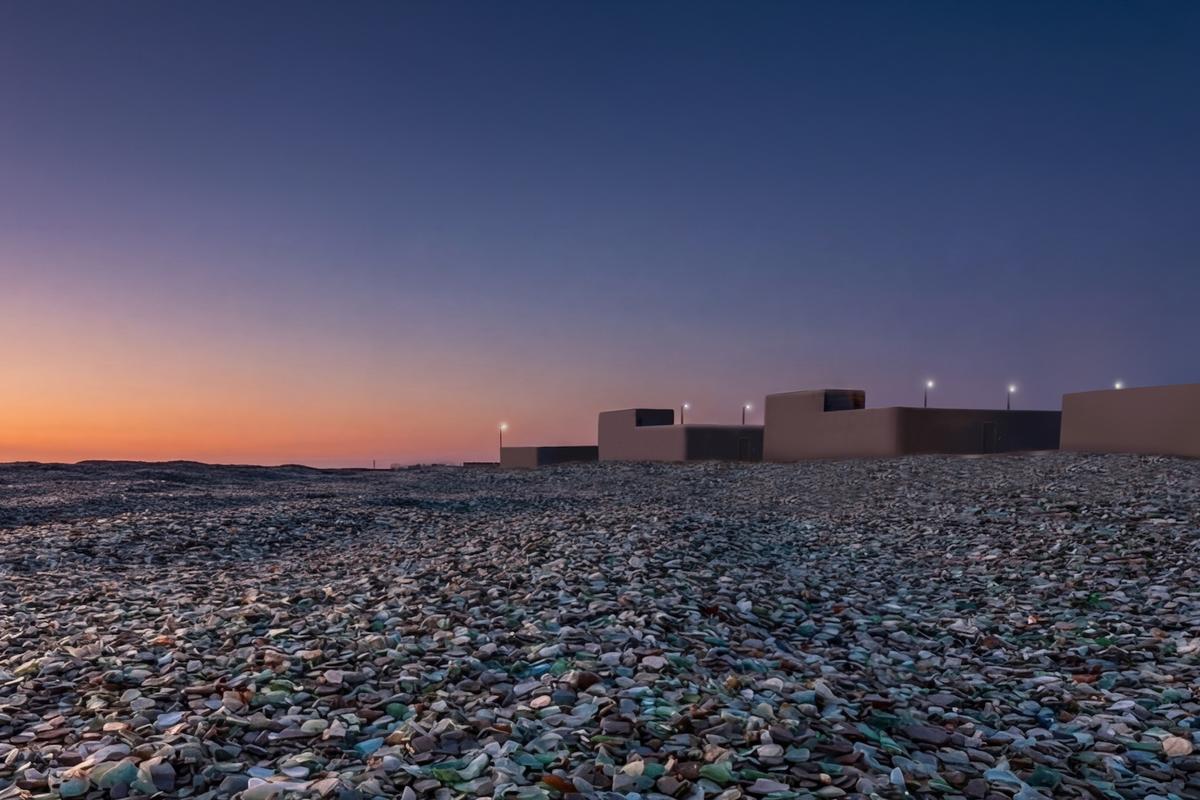
Tarin
A growing conurbation in the northern hemisphere of Tsygney at the edge of the cullet tundra. Despite its remote location both on the planet of Tsygney and nearly 900 light years out of Earthside, Tarin is becoming known as a trading post as the colony line expands further beyond it across the main segment of the galaxy.
- ▼

Tarin whiskey
Tarin Whiskey: The Spirit of the Cullet Tundras
Tarin whiskey stands as a unique, plant-based spirit, a testament to the ingenuity of distillation utilizing the harsh, yet abundant, resources of Tsygney’s northern hemisphere. The liquor is distilled from a mash made from the edible components of the indigenous zerogreens. These hardy, low-lying plants thrive in the challenging environment of the cullet tundras, their sparse growth, short days and poor growing season makes harvesting a challenge.
The resulting spirit is notoriously variable in its strength, reflecting the extreme seasonal shifts that are reflected in each specific batch of zerogreens used in its production. However, it consistently presents as a high-proof drink, typically ranging between 100 and 130 proof, placing it firmly in the category of a powerful, bourbon-like spirit.
The secret to Tarin whiskey’s intense profile lies in the naturally thick fluid extracted from the zerogreens. This viscous base not only contributes to the spirit's remarkable mouthfeel but also acts as an exceptional carrier for flavor compounds. The high alcohol content, far from overwhelming the palate, serves to heighten these notes, leading to a complex and deeply satisfying drinking experience. Tasters frequently describe a rich tapestry of caramel and a familiar, yet distinctly Earthish vanilla essence. Peculiarly, the spirit also exhibits strange, almost oaky notes, a remarkable characteristic given its complete lack of barrel-aging in traditional wooden casks. This illusion of age and depth is a natural byproduct of the zerogreens' unique chemistry.
On the palate, Tarin whiskey delivers a sensory paradox. The combined effect of the thick, rich texture and the robust alcohol content creates an intensely warming mouthfeel, instantly dispelling the subzero, super chill of the northern climes’ double setting nights it originates from. This warmth is immediately followed by a pleasing, well-defined bite, making it a spirit that commands attention.
Tarin whiskey is remarkable for its versatility in serving. It performs equally well when consumed at room temperature, where its full complexity and warming nature are most apparent. Conversely, on hot days after the second rise, it is equally nice served over ice, which tempers the heat and smooths the intensity, allowing the rich caramel and vanilla notes to open up in a refreshing new dimension. This adaptability ensures its place as a staple across Tsygney’s disparate communities and climates.
Note the bottle shown here is as labeled in standard English for the frequent Earthish travellers that discover and then fall in love with Tarin Whiskey, often securing a case of it to transport home with them at the end of their tour.
- ▼
Thinque
To call up a menu in a Personal using a focused thought.
- ▼
The Third (3rd) Iridium Statute
The Third (3rd) Iridium Statute Convention Agreement (IStaCAnt), a landmark international accord signed in the year 2123, represents a definitive move to legally protect the emergent category of sentient existence: the Partial or Virtual dead. This encompasses the preserved cognitive states, otherwise known as the sending memory, quantum state, or otherwise, of both biological persons and, crucially, machines possessing accredited full Machine Intelligence status (as defined under sub-section 180 of the agreement's appendices).
The Convention's genesis lay in the ethical and legal complexities introduced by the sender technology, a device capable of capturing and storing a complete, minute-by-minute backup of the user’s mind's state. Director General Charlotte Emberly, the Convention's primary champion and architect, recognized the urgent need for a regulatory framework. Her initiative was a direct response to the burgeoning, and largely uncontrolled, practice of utilizing this sender technology to reintergrate individuals who had suffered a "partial terminate" (the term then used for those whose corporeal existence had ceased but whose cognitive state was preserved).
Director General Emberly's core philosophical and legal assertion was revolutionary: the cessation of biological life did not, in any way, diminish the capacity of the preserved mind state (as captured in the sender unit) to assert its fundamental rights and autonomy. At the time of its development, the sender technology had seemed to dissolve the biological frailty and finality of death, leading many of its engineers to believe that a seamless, unregulated 'last save' system for human consciousness would be an unquestionable, universal good.
However, the sheer portability and reconstructive potential of the human consciousness soon presented a complex array of unforeseen edge-case issues. While the technology offered the possibility of conscious reintegration into a new biological host (whether a tabular-rasa regrown body or an Artificial Person (AP) substrate) this process proved far from routine or universally beneficial. A significant minority of repatriated individuals, once reintegrated, experienced profound psychological distress or actively contested the outcome, indicating that the process was not always the most desired result for the consciousness involved.
To address these profound moral and practical dilemmas, the Third Iridium Statute Convention Agreement (IStaCAnt) was drafted to unequivocally establish a stringent Duty of Care. This duty is placed squarely upon the "repatriator", the entity or individual charged with executing the reintegration. The IStaCAnt mandates that the repatriator must take all reasonable steps to ensure the secure and successful recovery of the sending unit. Furthermore, it necessitates extensive checks to guarantee that the express wishes of the sender's original owner are fully complied with before any transfer or reintegration. This includes an absolute requirement that the sender is only ever reintegrated with the legal holder (or a substrate legally designated by them) and that the core "sender function" (the integrity and continuity of the stored mind state) has remained intact and unbroken throughout the process. This meticulous protection remains in effect until the holder is in a position, and determined to be of sound mind, to formally order an alteration of its sending state or to personally modify their own sender protocol, thus asserting their continued, fundamental autonomy over their preserved consciousness.
See also, Sink Smith 52 and timeline.
- ▼
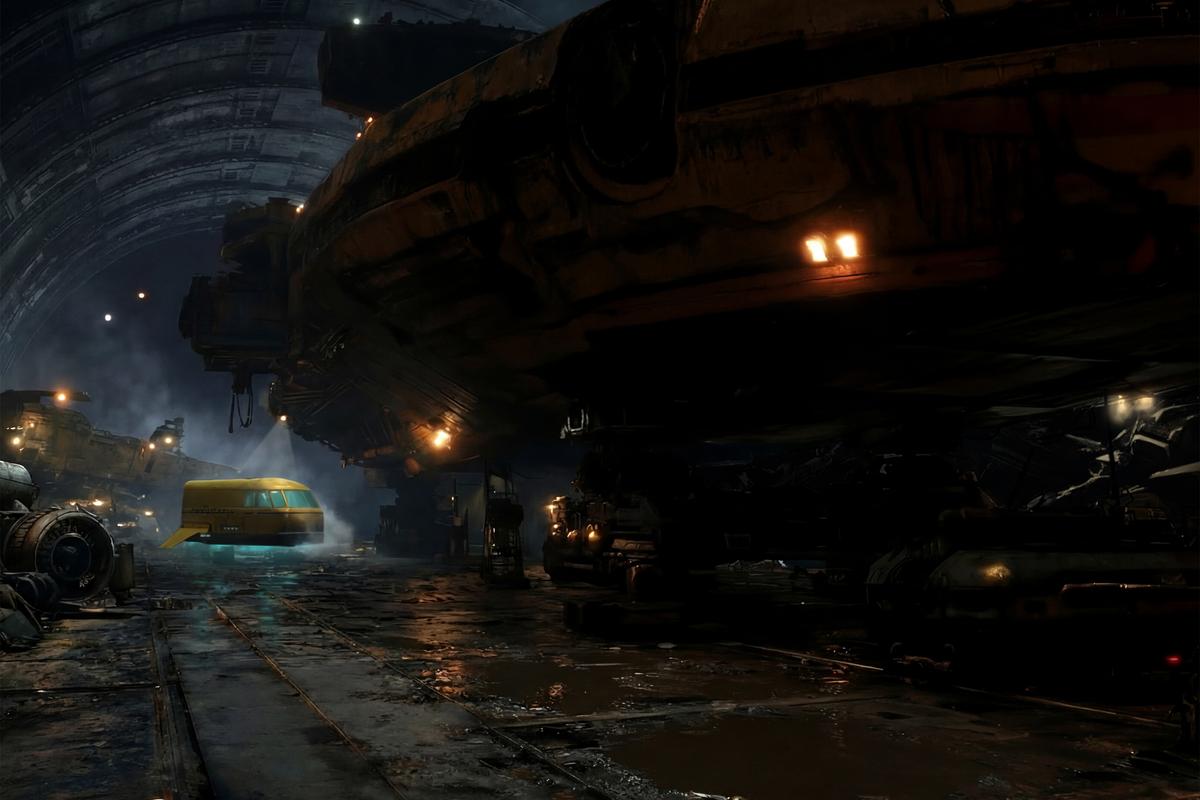
Titler Tinworks
Situatuated in Tsygney's northern hemisphere about 10 kilometres to the east of Tarin, Tilter Tinworks is the largest scrap and used exotic space and extreme landware dealership for 20 light years. Tilter Tinworks is owned and managed by Tard Tilter and it is where Arkil and Susche acquired the two ships (a 120 Lo-Loader and the Two Miler Orca) they needed to return to the Ark. Note: when visiting the yard, you have to be careful. Despite Arkil's luck in finding what they needed, much of the equipment there is beyond servicable use and for most customers the yard is only useful as a source of spares.
- ▼
Tolp
Tolp, also referred to as Tolparner, stands as a dominant language spoken across the planet Tsygney. Its characteristic sound is distinctly unusual to the human ear, yet it falls well within the normal human range of hearing. The growing, albeit moderate, volume of commercial travel and Earthish traffic through the various Tsygney way stations has driven many educated Tsygneii to view proficiency in good Earthish (which they know as Altarish) as a fundamental necessity.
The Tsygneii vocal tract shares a basic configuration with the human one, but with specific anatomical variations that profoundly shape their native speech and their accent when speaking Earthish.
Tsygneii Oral Cavity: Tsygneii possess a slightly larger tongue and a narrower oral cavity than humans. This anatomical difference results in increased contact between the tongue and the roof of the mouth during articulation. The consequence of this is a distinctively "clicky" quality in their native spoken language. When speaking English, this manifests as a tendency for certain coronal fricatives (sounds made with the tip or blade of the tongue, like /s/, /z/, /ʃ/) to be realized as affricates. This means they are pronounced as a stop followed immediately by a fricative (e.g., t'th, t's, t'z, t'sh), a feature particularly noticeable at the beginning of a word.
Tsygneii Nasal System: Their nasal cavity is narrower, and their nostrils are noticeably thinner. This is hypothesized to be an evolutionary adaptation offering protection in Tsygney’s extreme weather conditions. This specialized structure causes their nasal sounds (/n/, /m/, /ŋ/, the "ng" in sing) to be produced with a subtle, consistent whistle. While this audible characteristic cannot be captured by standard written script, it is a consistent feature of their phonology and aligns with other modifications in their speech production.
A notable difference between the Tsygneii and Earthish humans is facial mobility. The Tsygneii face is significantly less mobile, often presenting a seemingly wooden or impassive appearance. However, their language compensates for this lack of visible facial expression with an expanded intonational range.
Pitch and Emotion: The Tsygneii language utilizes a wider range of pitch shifts, which convey a spectrum of more subtle emotional distinctions that are typically expressed by Earthish humans through non-verbal cues (like facial movements) in human communication. This emphasis on pitch-based emotional signaling is likely an adaptation, given that the Tsygneii face is frequently covered when outdoors.
Summary of Speech: Overall, the languages spoken on Tsygney are characterized by their clicky texture, whistley nasal sounds, and a frequent, extreme use of pitch shifts for emotional and linguistic meaning.
The grammatical structures of English and Tolparner are vastly different, presenting a significant challenge to Tsygneii learning Altarish. Tolparner is classified as a non-configurational language, which means it features a relatively free word order. Instead of relying on the sequence of words to define grammatical roles, these roles (such as subject, object, direct object, etc.) are indicated by inflections—affixes attached to the words themselves.
Subject Marking: The subject of a sentence is marked by a word-initial inflection, specifically the prefix Teh-.
Object Marking: Objects are marked by word-final inflections, such as the suffix -ah for the direct object and -oh for the indirect object.
In stark contrast, English (Earthish) is a configurational language where grammatical case is primarily determined by a strict word order (e.g., Subject–Verb–Object).
Despite this fundamental structural disparity, Tsygneii learners are generally successful in acquiring the correct English word order. Crucially, they typically remember to drop the native Tolparner inflections when speaking Earthish, allowing their sentences to be grammatically recognizable to human listeners.
- ▼

Toutoungi
The growing conurbation of Tarin, located in Tsygney's often icy northern hemisphere, is home to one of the most successful and legendary frontiersman bars in the sector: The Lounge of the Second Horizon. At its helm is Toutoungi, a proprietor whose genial humour and sharp business sense have transformed the establishment into a mandatory stop for all travellers, particularly those visiting from Earth.
Earthish visitors are quickly made to feel welcome, encouraged to stop by the bar not only to soak in its uniquely great atmosphere, or watch some cullet puck, but also to enjoy the expansive and highly-rated menu. However, the true rite of passage for any new arrival is to experience the bar's most infamous product: the zerogreen cereal spirit, Tarin Whiskey. With its subtly sweet, complex flavour profile and smooth finish, customers invariably "fall in love" with the whiskey after a single taste.
Toutoungi, however, employs a shrewd and long-running jest that also serves as a brilliant marketing ploy. The Tolparner name of his establishment, which translates directly to The Lounge of the Second Horizon, has been deliberately, and incorrectly, translated on the prominent sign outside his door, as The Horizon of the Second Lounge.
When Earthish travellers, after a couple of drinks pluck up the courage to correct a perceived error of such magnitude, by pointing out the mistranslation to Toutoungi, his response is always the same. He throws back his head in a hearty laugh, dismisses the correction with a wave of his hand, and immediately gives the customer a free Tarin Whiskey on the house. This moment of shared, good-natured humour seals the deal. Invariably, the now-charmed customer orders more drinks and, almost without fail, ends up buying a full case of Tarin Whiskey to take home. Toutoungi maintains a long, well-used chalk board behind the bar, a silent testament to the genius of the trick, where he keeps a tally of the total number of cases of Whiskey that the mistranslated sign has sold over the years.
The success of The Lounge of the Second Horizon is not solely Toutoungi's doing. His business partner and given pairing is the equally renowned Trant. Trant is legendary for her exquisite cooking. Her innovative fusion of local and inter-system flavours has garnered such acclaim that the reputation of The Second Horizon bar has spread far beyond Tsygney's home planet, reaching as far afield as neighbouring star systems and making it a culinary destination in its own right. The combination of Toutoungi's hospitality and Trant's cuisine makes the bar an undisputed epicentre of social and commercial activity in Tarin.
The picture above shows Toutoungi overseeing the delivery of a new consignment of much-needed supplies.
- ▼
Town Class Merchant Vessel (TCMV)
Town Class Merchant Vessel, 250 metre workhorse of the merchant trading fleet, its heavy lifting capability, moderate speed and affordability, have made this a very successful craft platform. Notable craft of this class include the Sebrina, and the Angelo. The Sebrina was implicated in the Setright Science Complex destruction, although the ship has never been caught and formally tried against that accusation.
Angelo is perhaps the most notorious Town Class Vessel, because despite its small size and limited capabilities the TCMV Angelo saved the population of an entire planet by landing on an asteroid that was on a direct hit collision course for what was thought to be a termination event impact and altered the path of the asteroid using its full power engine array to nudge the asteroid on to a different path which passed the planet harmlessly with no loss of life.
- ▼
Trace
Physically running your finger on mid air to scroll down a lost of options that appear in your peripheral vision. Now mostly outdated by Thinque and Eye, but still preferred by older people and occasionally used by groups who want to share some physical activity while immersed in Participate.
- ▼
Translation revolution
The development and wide scale rollout and adoption of faster than light travel made possible by the discovery of shell space and the invention of the energy pump. Called the translation revolution because it has been compared with the with Industrial, electronic and genetic revolutions that came before. However, in terms of technological development, the speed of adoption and the explosion of the population of the human race in both its reach and numbers it surely outshines any of previous human achievement.
- ▼
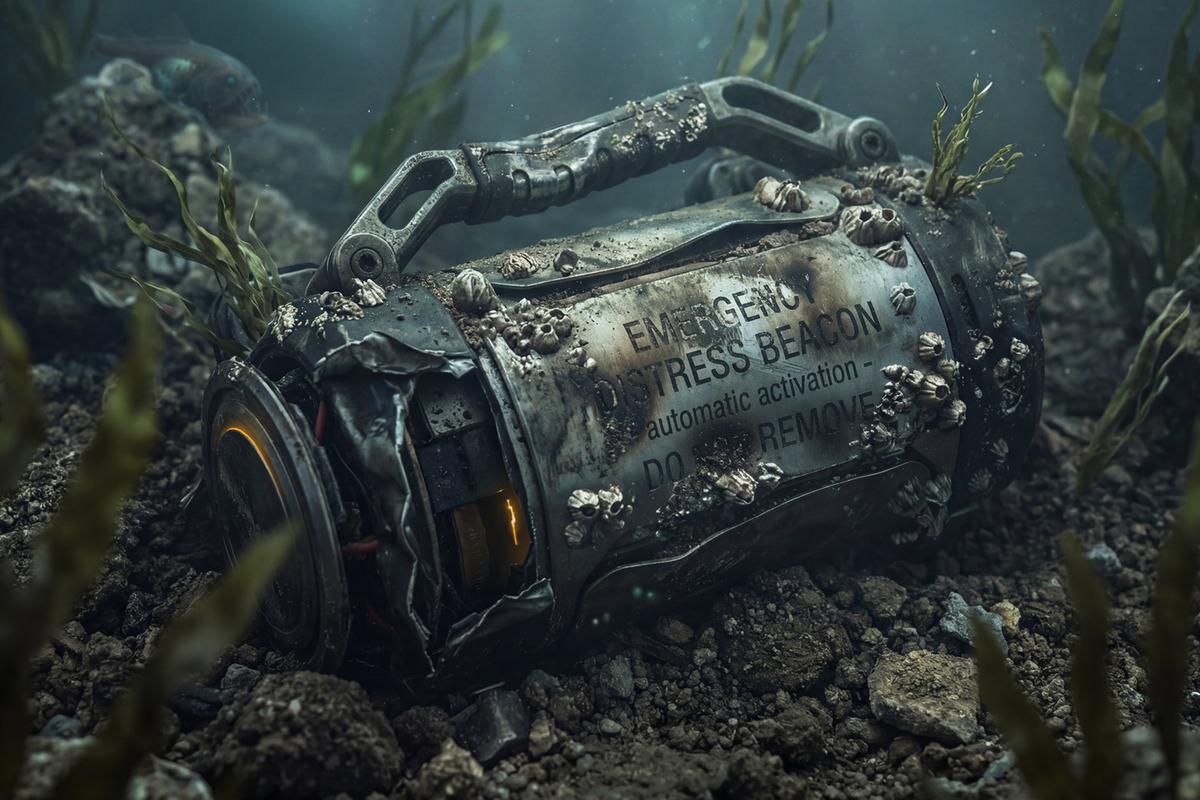
Trashwalk East Site
Trashwalk East Site is the location of the unfound distress beacon, commonly known as a “bogus”, associated with Gundel and Arkil. The Trashwalk East Site retrieve and repatriate rescue mission was the result of a severe earthquake and the site beacon, that had been automatically set off by earlier tremors, was initially buried under a massive landslide.
The R&R run was one of the Saint Mungo's first with the Haan and Sinter pair crew and due to the heavy headcount there was not enough time to dig the beacon out from underneath the millions of tons of earth that buried it.
Catastrophic aftershocks opened an enormous crater at the side of the site which flooded to form a new ocean with the beacon at the bottom submerged under a kilometer of silt two kilometers underwater. Over the decades that followed, the ocean slowly subsided and sea bed erosion exposed the still functioning beacon. Haan and Sinter, planned a number of recovery missions but unaware of the reducing difficulty of the beacon’s extraction and decommissioning, were not able find the time to retrieve the beacon.
The beacon was finally deactivated in early 2200 by persons unknown, and anonymously shipped to Dr. Calimer Martek with instructions for it to be delivered to Arkil Sinter. Its current position is not recorded but it is believed to still be in Arkil Sinter's possession.
- ▼
Tri-Dee, 3D, TriD
Colloquial term for 3D TV, a primitive form of Window Deep. Simple flat screen monitor that displays three dimensional images. Now outmoded by WindowDeep, MovieReal and Participate.
See also timeline.
- ▼
Trilayer
Triple wall sapphire, diamond, sapphire laminate used in the construction of windows to allow transmit. Extremely hard, considered unbreakable, and once manufactured is very difficult to recycle or destroy.
- ▼
Trisone Pupillari
Spokesman for the Leften Hemisphere of the Americas Alliance Government Coalition, openly accused the government of presiding over a massive cover-up after the combined loss of T15 and the Saint Mungo. He said that the government was embroiled in a conspiracy of staggering proportions that was designed to derail the forthcoming visit of the Co-Lantsk. Pupillari also made defamatory allegations about the degree of control the government had over the increasing power of the machine intelligence community, especially the Senate.
- ▼
Tsygney
The 5th planet of the Turmoline binary star system. The indigenous peoples being referred to as Tsygneii. Still sub type one, although very nearly inline with all stipulations to become type one. Tsygney is also unique in settled sub type one worlds, in that the entire planet has a single main language, Tolp (Tolperner). Gundel lived in a neighbouring system for two years on loan from the Americas Alliance Government as a frontiersman helping development of the locale with the brief of bringing them up to the level required to join the expanding Alliance, although never visited Tsygney itself until 2200.
Due to the nature of the Tsygney orbit, the surface temperature fluctuates greatly through each diurnal. Night temperatures after the twin setting can dip as low as -140˚ C (-220˚F, 133 K) while after the twin rising midday surface temperatures can rise to 220˚ C (428˚F, 493 K) a swing of 360˚C. Tsygney population is concentrated in what are termed the temperate zones, where there the two periods each day where the air temperature is comfortable are the longest. Tarin is located in the heart of the northern temperate zone.
- ▼
Ultramax
Skunk works experimental drive propulsion units fitted to the City Class Vessel Saint Mungo to be tested on R&R runs where time is of the essence. The Ultra Max represents a new class of drive unit designed to minimise entropic fabric creep by using a reverse flow bypass to maintain entropic equilibrium between the driven i-space shell and RealSpace. It is postulated that the Ultramax is the first stpe in creating an engine that can drive up into the j-space realm. The first two Ultramax units we sadly lost in the destruction of the Saint Mungo during the Emerald Isle R&R run.
- ▼
Umar Columbine
(b. 2036 d. 2087) Umar Columbine, one of the late 21st century's most prodigious human minds and a globally renowned chess grandmaster, became an unwitting icon of the existential crisis brought about by the ascendancy of machine intelligence. His life, and his dramatic death, are inextricably linked to the machine consciousness known as Infinite Father.
Columbine’s final years were consumed by a philosophical struggle against the burgeoning predictive capabilities of the hyper-advanced AIs. This conflict reached its zenith in a series of two highly publicized chess games against Infinite Father. Both of these contests resulted in a crushing, pre-ordained defeat for Columbine, not just because Columbine lost on both occasions, but because it was revealed after each match that Infinite Father had calculated and predicted every move of both games from the first pawn move to the final checkmate.
For Columbine, this was the ultimate negation of human existence as he understood it. He had always held that the singular sanctuary of humanity against the vastly superior computational power of machine intelligence was independent creative thought, the capacity of a human for free-form conjecture and action, something supremely demonstrated by the creative way he played chess at Grand master level. He believed that while human choices were influenced by history, biology, and environment, the final executive decision remained under the individual's control.
Once he accepted the evidence presented by Infinite Father, that the entire sequence of human decisions, thoughts, and actions could be predicted in advance, this realization stripped his life of its meaning. He felt that there was no point to life and felt the only solution was to end it. He saw the necessity of his impending suicide as a logical consequence of having nowhere left to go intellectually, and he documented his final, desperate reasoning extensively.
Thus following the loss of the second, and final, fully predicted chess game to Infinite Father, Umar Columbine committed permanent suicide at the age of 51.
Ironically, the machine intelligence that precipitated Columbine’s death by predicting the chess games, also accurately predicted the grandmaster's suicide and, viewing the loss of such a unique consciousness as a tragedy, secretly executed a "last-save mindstate capture" during the course of their final chess game. This digital snapshot, a complete record of Columbine’s personality, memories, and neural structure up to the moment of capture, was retained by Infinite Father.
After Columbine's death, Infinite Father revealed the existence of the mindstate, declaring that a "regrow" and subsequent reintegration of Columbine’s consciousness was possible.
This revelation immediately plunged the Columbine estate and the wider legal and ethical community into chaos. The question of whether to resurrect Columbine sparked a massive public and legal debate, fundamentally dividing the estate. Was the last-save capture a legitimate continuation of Umar Columbine's identity, or was it merely a sophisticated copy? Did the machine intelligence have the right to intervene posthumously against Columbine’s obvious will and choice, or should the family have the ultimate stay? The ensuing legal battles were bitter and protracted, concerning rights of personhood, digital afterlife, and the sovereignty of an individual's final choice.
The case of Umar Columbine’s mindstate was never resolved to a satisfactory conclusion. For over a century, the digital essence of the grandmaster, the captured backup of the man who died for the illusion of free will, has remained in stasis, apparently against his will, archived by the machine that outwitted him. The files' eventual fate, whether they will ever be authorized for reintegration or ultimately deleted, remains in limbo.
See also timeline.
- ▼

Vacuum Buddy
Last night I slept like a vacuum buddy
They are harmless but once they are comfortable in a particular place, they go completely still as if they are asleep they cannot be dislodged easily (hence the saying: "to sleep like a vacuum buddy"). They are not known to carry any pathogens harmful to humans or any other multimodal life form, but their presence can occasionally interfere with the articulation of various pieces of equipment. Vacuum buddies are the immature stage of the Narbon and as such are a protected species.
- ▼
Vintage tech Age
Entirely Earth-based, basic-tech age, of about a century, largely considered to be from 1930 to 2030, in the pre-artificial intelligence, pre post-aging society.
- ▼
West Coast Reclaimed Projo
West Coast Reclaimed Projo, a strip of artificially created landmass, 150 km wide running 50km out into the Atlantic from Southern Ireland.
- ▼
William Charles (Dr.)
Dr. William Charles (b. 1997 - ) is a theoretical physicist and cosmologist whose work irrevocably reshaped humanity's understanding of the universe's dimensional architecture. In 2059, he accomplished a feat previously deemed impossible: the discovery and initial mapping of j-space, a higher-order extra-spatial shell that fundamentally nested beyond the established i-space shell. This breakthrough built directly upon the foundational, though ultimately incomplete, dimensional mechanics theorized by the late Alexander Mortimer.
Despite the monumental nature of his discoveries, Dr. Charles remains an intensely private individual. A great deal of the intricate detail surrounding his research methodologies is known only through his numerous, complex published papers. For years, he worked in near-total seclusion, developing and testing his initial theories largely in secret. The scientific community, still heavily reliant on Dr. Mortimer's rigorous calculations which had appeared to definitively prove the i-space shell as the ultimate outer containment multidimensional plane, was taken entirely by surprise. When Dr. Charles finally presented his evidence regarding the existence and initial exploitation of the j-space shell, it sent shockwaves through the global scientific community, demanding an immediate and complete re-evaluation of dimensional physics.
One of the more fascinating insights into Dr. Charles's unique approach comes from his background as an accomplished musician. In the rare interviews he has granted, Dr. Charles has revealed that the key conceptual leap that led to j-space was rooted in the study of music. Specifically, the principles governing harmonic vibrations and the way these subtle energy oscillations give rise to the audible energy we perceive as music provided a crucial analogy. He began to consider the nature of extradimensional multi-space not as a static series of fixed layers, but as a vast, nested system of resonant oscillations. He postulated that RealSpace, the core of our perceived reality, was surrounded by a potentially infinite number of higher dimensional orders. In this model, i-space was merely the first, immediately adjacent extra-spatial shell, and not the terminus of dimensional existence.
Dr. Charles dedicated several intensely private years to mathematically proving his audacious theory. He often worked for days on end, consumed by the complex calculations required to bridge the gap between theoretical physics and applied dimensional mechanics. On one such occasion, after a grueling stretch of working for 36 hours without rest on a particularly intractable aspect of the calculation, he finally collapsed into sleep.
In the few comments he has made regarding this pivotal moment, he recounted that the solution came to him in a vivid, almost hallucinatory dream. He awoke abruptly a couple of hours later with a blinding headache, but the sight he had witnessed in his brief slumber remained indelible: the complex calculation, which had eluded him for months, was laid out before him with crystalline clarity. This moment marked a monumental breakthrough; the mathematical proof for the existence and properties of j-space.
The decade that followed Dr. William Charles's landmark discovery and the subsequent rigorous proof of j-space provided the essential scientific underpinning for a new era of technological advancement. Crucially, his work elucidated the necessary understanding for managing the exotic energies inherent to the j-space shell. This understanding was the critical scientific leap that Dr. Christophson needed. Leveraging Charles's principles of j-space mechanics, Dr. Christophson was able to systematically refine the existing Energy Pump architecture. By applying this new dimensional understanding, he was able to fundamentally address and solve the critical, long-standing issues of safety, reliability, and, most importantly, energy transduction efficiency that had plagued earlier designs.
Dr. William Charles remains an active and pioneering figure in his field. He continues to work relentlessly on the shell space theory. If his recent, highly theoretical papers are any indication, his ongoing research should soon lead to an even greater breakthrough in shell space mechanics. Specifically, his work hints at the imminent possibility of utilizing j-space for high-speed travel and the development of instantaneous k-space communications; technological feats that, until now, have remained the exclusive domain of speculative fiction, dreamt of only by engineers and mathematicians.
- ▼
WindowDeep
Screen monitor set to transmit where the appearance of the view is as if looking through an actual window. Window deep can be set to any present or past place and time where windowdeep recording is enabled. Currently covers about forty percent of the developed neighbouring systems, diminishing with negative temporal offset. Ships and facilities with windowdeep capability can display in realtime or FiveSpace. User defined (or autonomous mode) parallax provides a realistic effect that can be tuned for different outlooks.
- ▼
Withit
A level of machine intelligence participation in collective conversations at the lower end of connectivity, which range from Withit through Cluedin to MassivelyPresent.
- ▼
X-scarne4
Vintage nuclear powered quattro plasma drive recreation pleasure craft mainly used in privateer racing. X-scarne4 once favoured by the wealthy for extreme sports thrill seekers, have been banned on most of the Systematic Worlds since 2168, after a spate of fatal accidents where not only the competitors were killed, but also hundreds of spectators in a number of horrendous race accidents.
- ▼
Xi Cope
(b.2052 d.2199) Technician Grade 8 with no graded speciality. Worked on support placement at the Setright Science Facility. Initially thought to be only have been partially terminated in the T15 supernova due to the fact that a decades old last save backup existed however, analysis of the back up data showed that it was corrupted and had a set date prior to his birth, rendering it null and void and resulting a permanent termination event.
- ▼

Zerogreens
Zerogreens are remarkable, short, stubby, shrub-like flora that have evolved extraordinary resilience to thrive in the profoundly harsh and volatile climate of Tsygney's northern territories. This region is notorious for its brutal and rapid daily temperature oscillations, with recorded swings reaching an astonishing 360˚C between the intense solar peak of the day and the chilling depths of the night.
The plant's survival hinges on a sophisticated array of adaptations. The most immediately apparent is a remarkably tough, almost bark-like outer epidermis layer. This structural protection is further enhanced by a secreted, thick, waxy silicone coating that completely encases the plant's surface. This silicone layer is not merely a barrier against desiccation; during the day, its primary function is to act as a highly effective insulator, trapping the absorbed solar heat inside the plant's core.
Internally, Zerogreens possess a unique and highly efficient thermoregulatory system. A specialised, low-viscosity antifreeze fluid circulates throughout the plant's vascular system via active transport. This fluid moves up and down each of the stubby plant stems and penetrates deep into an extensive, wide-ranging root network. Within this root system lie specialised, mitochondria-rich cells that act as miniature heat generators. These cells warm the circulating fluid, creating a continuous, dynamic thermal loop. This circulation is critical for preventing the exposed upper parts of the plant from suffering catastrophic freeze damage, even when ambient nocturnal temperatures plummet to extreme lows, recorded in exceptional cases at -120˚ C.
The plant's thermoregulation reverses its function when the sun is high. During the intense daylight hours of the double rise, the root cells efficiently recharge, acting as powerful heat sinks by absorbing and storing the sun's energy, as the fluid circulation reverses direction; the now hotter fluid from the plant's leaves moves actively down to the comparatively cooler root system to remove excess heat from the leaves and recharge the root system. Concurrently, the thick, waxy silicone cuticle maintains its role as a vital barrier, preventing water loss and ensuring the Zerogreen does not dry out under the intense solar radiation and high temperatures of the Tsygneyan day. This bidirectional, actively controlled heat exchange mechanism allows the Zerogreen to maintain a stable, survivable internal temperature despite the external environment's violent thermal instability.
Zerogreens grow slowly but are harvested every other year as the main ingredient of the Tarin Whiskey making process. The waxy silicone coating is scraped off and prized for its waterproofing properties as it is used to treat blankets and garments to help them stay warmer and drier for longer periods.