“Okay, don’t forget to check the fuel level with the dipstick, and while you’re under the bonnet, check the oil level. Oh, and also you should check that the oil greaser is set to open. And remember to lubricate the chassis, actually that’s a two-man job. I’ll come out and help. I’ve run a kettle of water for you to top up the radiator, and I’ve made up a spare bottle for you to take with you, just to top it up again after you’re done at the store. Tell you what, I think I better get it started for you, especially after last time when you broke your thumb on the crank handle.
“It’ll only take twenty or thirty minutes for the full checks, the greasing, and the warm-up, and if everything goes smoothly, we should have you up and running and on your way in no time at all.”
This was how it was for the lucky few who owned a car, a little over a century ago at the true birth of the automobile age. The sheer effort, the required mechanical knowledge, the necessary physical strength, and the meticulous pre-trip rituals, putting to one side the cost, were all a significant barrier to entry. Every journey was truly an event, a minor expedition preceded by a mandatory checklist of fluid levels, lubrication points, and the hope that the temperamental engine would catch on the first few pulls of the starting crank.
Spin forward a century and a quarter, and the modern motor car is a universe away from that greasy, arduous process. Cars, already incredibly easy to operate by comparison. Starting at the press of a button, they are now about to take away even the last tiniest vestige of pre-drive, check-your-mirrors preparation, and replacing it all with a simple spoken request: “Drive me to the store.” Before long, the vehicle will handle all the safety checks along with the navigation, the roadcraft, hill starts, braking, and parallel parking, turning the complex act of driving into the simple act of travelling and then arriving. The need for a roadside tool kit or a spare bottle of radiator water is a romantic myth of a bygone age. It was this incredible march towards simplicity and automation that struck me profoundly while watching the preparations for humanity’s return to the Moon.
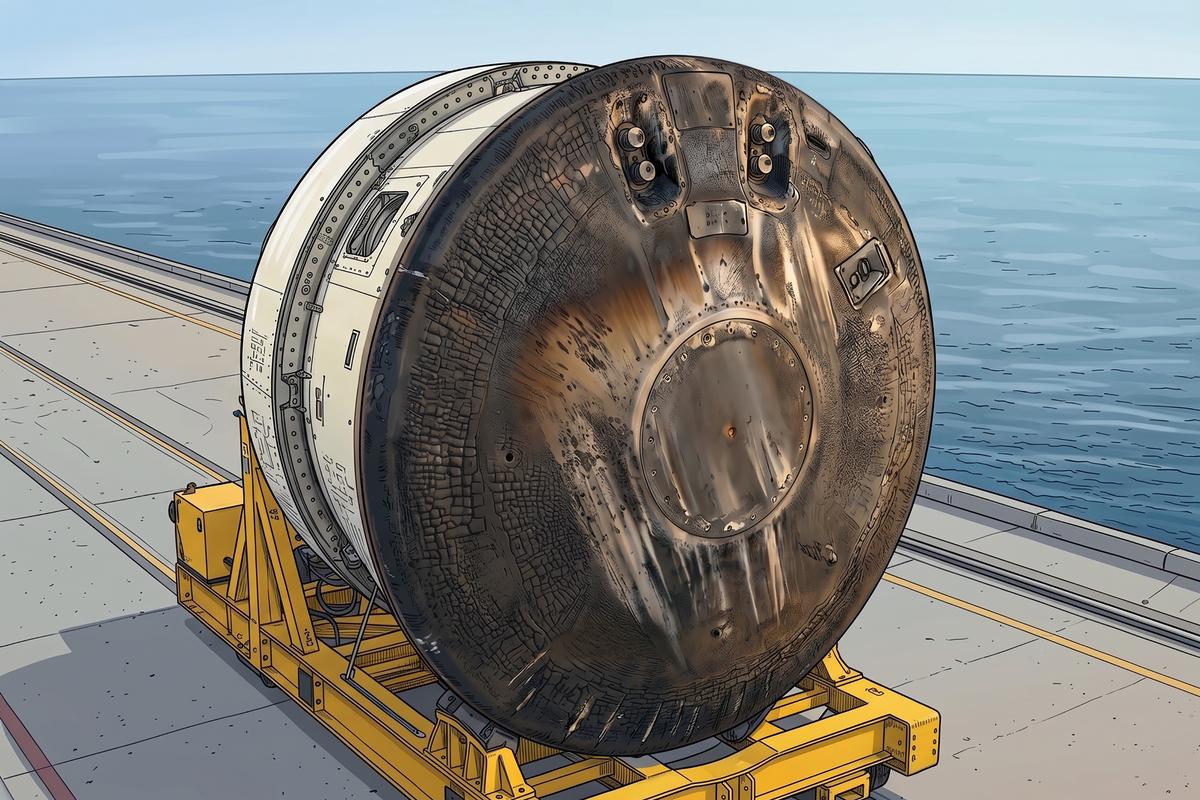
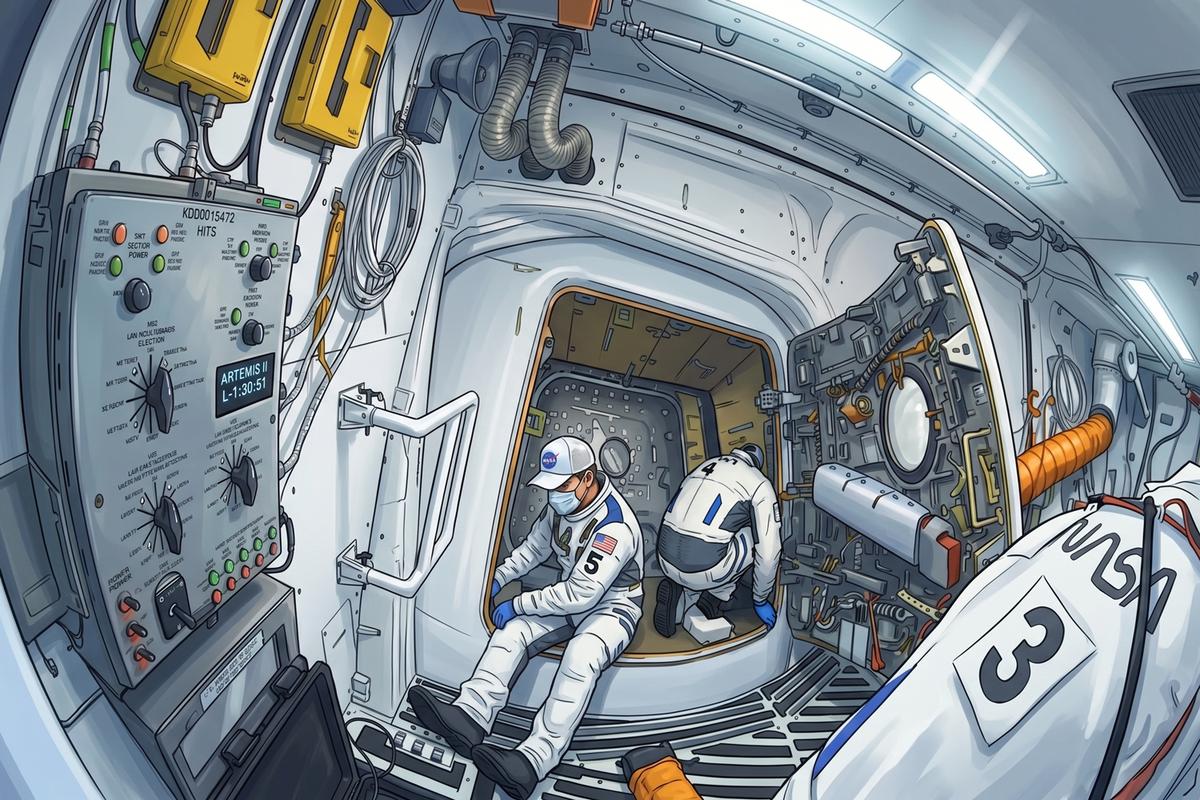
Watching the preparations for the first crewed trip aboard the Orion spacecraft, as the Artemis II mission astronauts prepared to travel to the Moon and back, only for the four hours that lead up to the launch, I was taken aback at the sheer, overwhelming amount of time and effort it took just to climb into the spacecraft and get going. This four-hour preparation marathon, of course, was merely the final, tiny fraction of the decade of planning, training, manufacturing, and mission preparation that led up to the successful liftoff. The journey to the launchpad itself, a complex symphony of logistics, safety protocols, and mechanical precision, is obviously merely the tip of an unimaginably large technological iceberg.
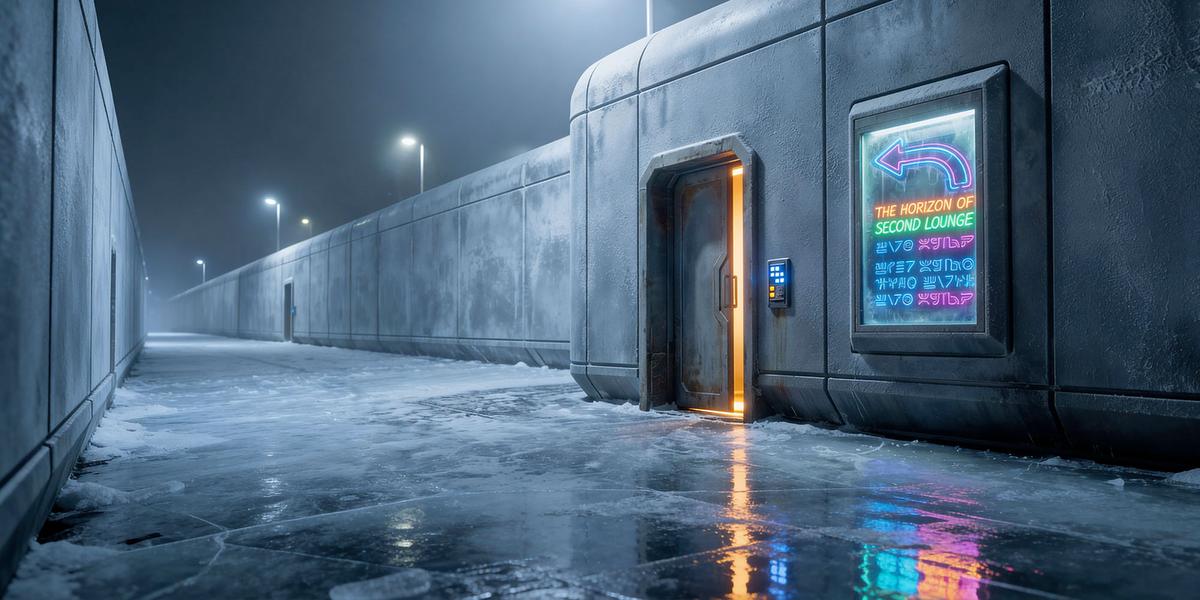
In my science fiction world of tomorrow, when I believe humanity will have solved many of the problems of propulsion and life support, spacefarers won't need to check the oil, have someone else check their space suit is zipped up multiple times, manually check the door pressure seals, and fill the massive tanks with liquid propellant, while keeping it topped it up as the cryogenic fuel continually boils off. Not for them the need to coordinate the literally thousands of essential, life-critical procedures that today's astronauts and their massive, global support teams need to manage before the final command to fire up the engines is given.
As I watched the amazing, humbling preparations, and then the utterly awesome liftoff, I felt that my story's vision of the future was maybe a little naive in this respect. In my fictional future, the characters hop on and off sentient, autonomous spaceships with scarcely a second thought about the incredibly complex mechanism is taking them halfway around the galaxy. The spacecraft is a trusted tool, no more demanding than a modern car.
But perhaps that lack of thought is the mark of true progress. In our eventual future world, centuries in the making, where people won’t plan for ten years to do a lap of the Moon; they will commute there each day for work, or hop on a short orbital flight to the Ark to do some weekend shopping and visit friends. All the incredible complexity of doing so will be hidden from the user, handled entirely by the system. It feels unrealistic now, sitting in a world where a trip to the Moon is still a historical, gargantuan undertaking, but then... is it?
When I leave my house to go to the supermarket today, I jump in the car, press the start button, and just drive there, without a second thought about the hundreds of systems working in perfect harmony beneath me. In a couple of years, even operating the vehicle will be history; I will simply be telling my car where to go, and it will take me there. In that nearby future, the act of looking over your shoulder before before setting off will already be a fading memory, consigned to the same place in our mental archive as that long distant automotive past, when a simple car journey to the store was an epic adventure that required you to take a tool kit with you if you wanted to make it home in one piece.